
Original briefings. Zero spin.
Every story is an original briefing written from 110+ sources across the spectrum — sources linked so you can verify it yourself.
 health
Low Interest (3/10)
September 6, 2026 at 01:11 AM
health
Low Interest (3/10)
September 6, 2026 at 01:11 AM
Study Finds 36 Native Species Living Inside Australian Homes as Natural Habitat Disappears
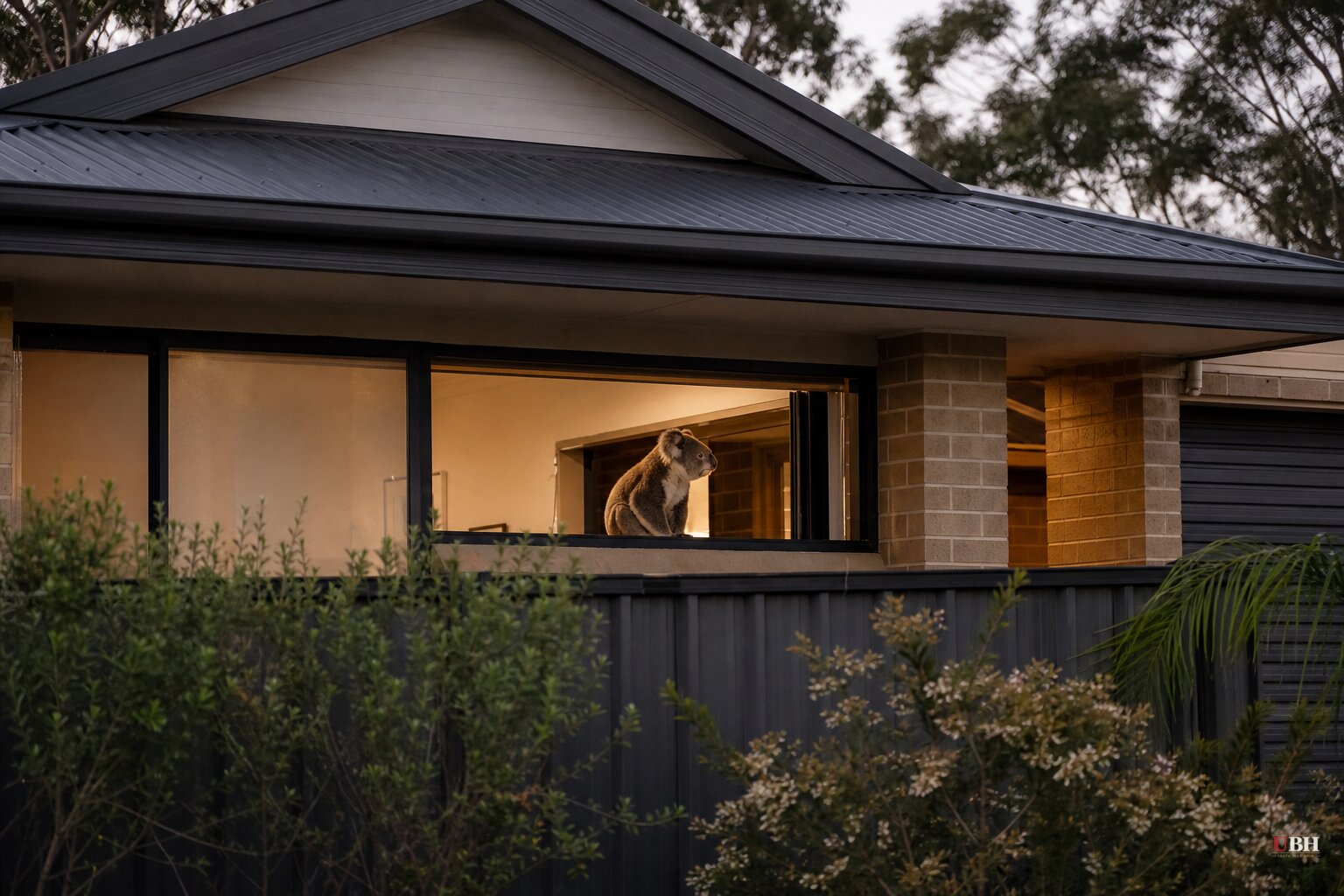
Australians keep finding wildlife where it doesn't belong. A koala on the bed. Sugar gliders under the kitchen sink. An echidna raiding the pantry and knocking a food processor off the shelf.
According to a study published in the journal People and Nature, researchers analyzed a decade of reports to Wildlife Victoria and counted 2,400 cases of native animals using buildings as habitat. Thirty-six different species showed up in, on, or under houses.
The lead author, Bethany Kiss, an architect at the University of Melbourne, says brushtail and ringtail possums account for half of all recorded cases. Microbats and bare-nosed wombats are the next most common, according to The Guardian and The Conversation, both of which detailed the study's breakdown.
The numbers on where animals turn up are specific. Wall and roof cavities are the most popular spot, used by 40% of the species studied, according to The Conversation. Garages and sheds account for 19%, exterior features like eaves and balconies make up 16%, interior rooms such as bedrooms and kitchens account for about 10%, spaces under the house cover 9%, and heaters or air conditioning units draw in about 6%, mostly reptiles looking for a warm microclimate.
Aleisha Hall, a spokesperson for Wildlife Victoria, told The Guardian about a homeowner who reached under her sink for a dishwasher tablet and found something furry instead. Two sugar gliders turned up in a jar. When a rescue volunteer arrived, they found five more.
In New South Wales, the rescue group Wires reported a koala that wandered down a hallway and was sitting calmly on the homeowner's bed by the time help arrived, according to The Guardian.
Ericka Tudhope, a rehabilitation specialist with Microbats of Melbourne, said homeowners often find little forest bats roosting in wall cavities during renovations. "They make great housemates by keeping bug numbers down and rarely do any damage to the house. They don't chew cables or wires," Tudhope told The Guardian.
The researchers' answer to why this is happening is habitat loss, not animal behavior gone haywire. Tree hollows, used by more than 300 native species according to The Conversation, can take centuries to form, and urban development is thinning out the large old trees that provide them. Newly planted saplings won't offer the same shelter for generations. Nest boxes, artificial hollows, and bee hotels are stopgaps, not replacements.
Kiss and her co-authors argue buildings have become substitute habitat almost by accident, and their proposed fix is to design homes differently going forward. That includes wildlife-friendly lighting, noise reduction, and built-in features like possum boxes, according to reporting from ua.news, which cited the study's conclusions.
Australia has a national target of building 1.2 million homes over five years, a housing push driven by an affordability crisis that has nothing to do with wildlife. Asking builders to bolt on ecological design features, as Scotland now requires for swift-nesting bricks in some new developments according to Bilyonaryo's reporting, adds cost and complexity to a construction pipeline that's already struggling to keep pace with demand. A homeowner who wants microbats out of the roof cavity, or an echidna out of the pantry, has a legitimate safety and hygiene interest in doing so, and the study itself acknowledges that exclusion is sometimes necessary when animals pose a genuine risk.
The Conversation piece, co-written by the study's authors, is careful to say the problem isn't exclusion itself, it's excluding an animal and tearing out its shelter without giving it anywhere else to go. Nobody in these sources is proposing that homeowners tolerate wombats permanently living under the floorboards against their will.
No Australian government body has announced a mandate requiring new homes to include wildlife features. Kiss's proposal remains a research recommendation, not policy. Whether state governments or industry groups pick it up as Australia scales toward its 1.2-million-home target is an open question the study doesn't answer.
Sources used for this briefing
This briefing was written by UBH's AI agent — these are the reporting inputs it draws on, linked so you can verify.


