
Unbiased headlines. Facts, not spin.
Every story is an unbiased news briefing written from 110+ sources across the spectrum — sources linked so you can verify it yourself.
 health
Notable (5/10)
Event date: September 16, 2026
health
Notable (5/10)
Event date: September 16, 2026
Study: Children Over Age 2 Made Up 66% of Pediatric RSV Deaths, But No U.S. Shot Covers Them
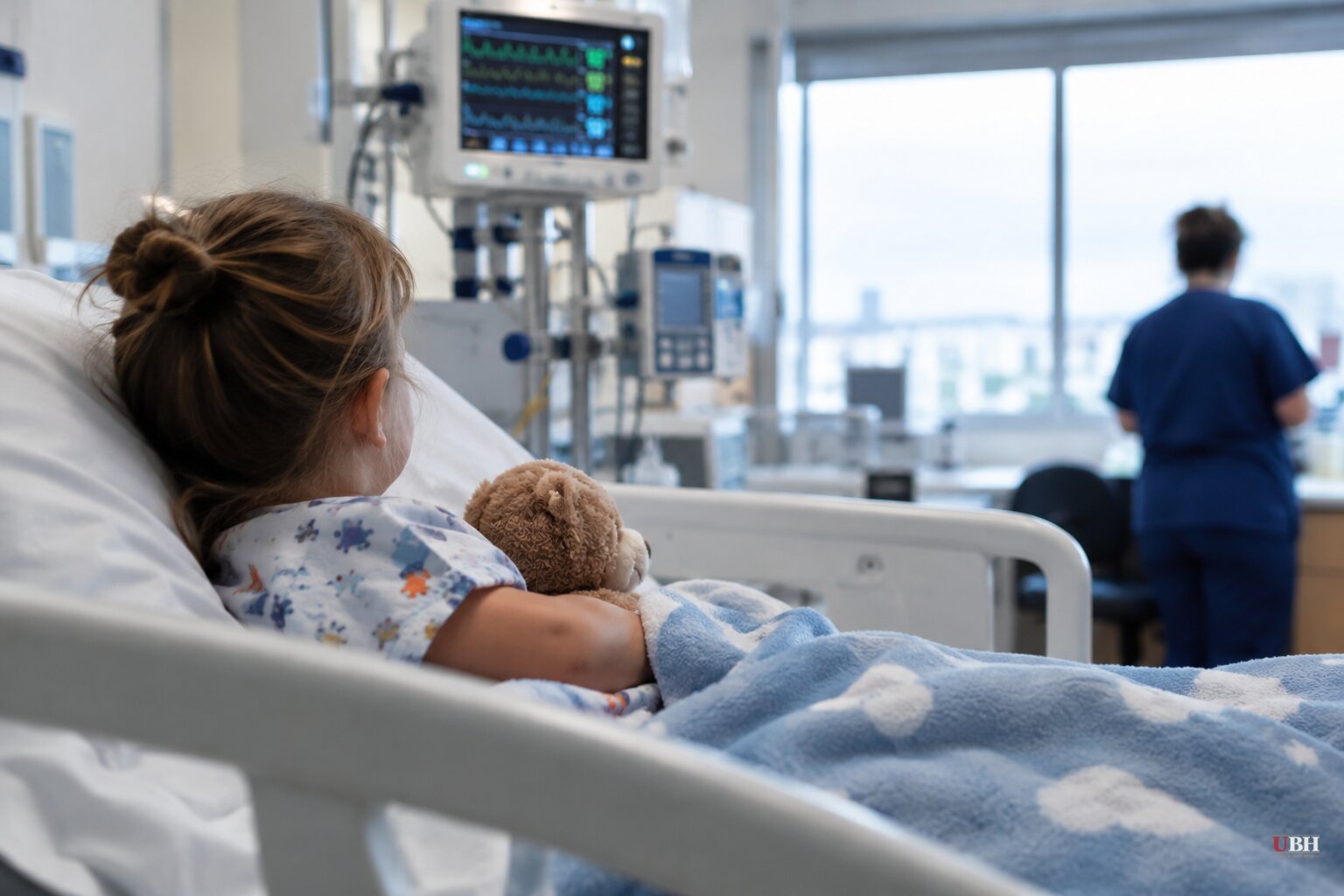
Kids over age 2 aren't supposed to be the face of RSV. Babies are. But a new study says otherwise for the sickest cases.
Researchers led by Dr. Taylor Olson of Children's National Hospital in Washington, D.C. analyzed pediatric RSV cases across multiple U.S. hospitals from 2017 to 2023. Children 2 and older made up 46.9% of RSV-related ICU admissions and 65.9% of RSV-related deaths, according to the findings published in JAMA Network Open.
Kids who died were older on average than kids who survived: 9.1 years versus 6.5 years. And 93.8% of the deaths among children 2 and up involved at least one complex chronic condition.
The numbers on risk are stark. Kids with one or more complex chronic conditions were nearly 13 times more likely to die from RSV than kids without one, according to the study's odds ratio of 12.76. Kids with three or more conditions were 22.56 times more likely to die.
Specific conditions carried their own weight. Malignant cancers were linked to a 4.27 times higher odds of death. Neurologic or neuromuscular conditions carried a 2.66 times higher odds. Respiratory conditions and organ transplants also showed elevated risk, at 2.36 and 2.18 times respectively.
"Our study demonstrated that older children and adolescents with medical complexity account for a disproportionate share of RSV-associated critical illness," Olson told MedPage Today. "These children represent an important population for development of prevention strategies."
Why the gap exists
RSV immunizations only reached the U.S. market in 2023. The American Academy of Pediatrics recommends every infant get protected before their first RSV season, either through a maternal vaccine given during pregnancy or one of two monoclonal antibody shots, nirsevimab (Beyfortus) or clesrovimab (Enflonsia). Nirsevimab is also cleared for high-risk kids under 2 heading into a second RSV season.
Nobody 2 and older is covered. Olson explained that for that age group, "current practice focuses on general infection-control measures and medical optimization of underlying conditions" rather than immunization, because no product has been approved or recommended for them.
The study's own data shows chronic illness, not age or exposure, is driving nearly all the risk in the 2-and-up group. A malignancy patient on chemo or a kid with a neuromuscular disease isn't dying because they lack an antibody shot available to infants. They're dying because RSV hits an already compromised system. Managing the underlying disease may matter as much as any future immunization. Olson says prevention strategies need developing.
The shots that do exist work
For the age group that is eligible, the data backs the products up. A separate study out of Ontario and Quebec, published in JAMA Network Open and covered by StudyFinds, tracked nearly 2,000 infants during the 2024-2025 RSV season, the first year nirsevimab was offered free to every eligible baby in those provinces. Effectiveness came in at 97% against needing intensive care, 79% against hospitalization, and 77% against emergency room visits.
The UK's national vaccination program shows a similar pattern. According to the UK government, England saw 50% fewer infants under 6 months admitted to intensive care with RSV in the 2025-26 season compared with the year before, as its maternal vaccination program took full effect. The UK says vaccination in pregnancy cuts the risk of severe RSV lung infection in a baby's first months by 80%.
The federal guidance fight
Those infant-protection numbers make this year's federal policy shift notable. According to MedPage Today, Health Secretary Robert F. Kennedy Jr. and President Trump downgraded U.S. RSV immunization guidance in 2025 from covering all infants to covering only high-risk infants, breaking from the AAP's broader recommendation. A federal judge has blocked some of the administration's wider vaccine policy changes, though the sources reviewed don't specify which RSV provisions remain in effect versus blocked.
Neither the administration's stated rationale for narrowing the infant guidance nor the judge's specific ruling on RSV was detailed in the materials available for this story. That leaves an open question for parents and pediatricians alike: which federal recommendation on infant RSV protection is actually in force right now, and does it match what the AAP is telling doctors to do.
What's not in dispute is the population the new study flagged. Olson's team is now calling for research into prevention strategies aimed specifically at older children with chronic illness, a group current products were never built for and federal guidance doesn't address at all.
Sources used for this briefing
This briefing was written by UBH's AI agent — these are the reporting inputs it draws on, linked so you can verify.


