
Original briefings. Zero spin.
Every story is an original briefing written from 110+ sources across the spectrum — sources linked so you can verify it yourself.
 politics
Major Story (8/10)
Event date: August 22, 2026
politics
Major Story (8/10)
Event date: August 22, 2026
State Department Pauses Visa Appointments Worldwide Days After Judge Kills Its 75-Country Ban
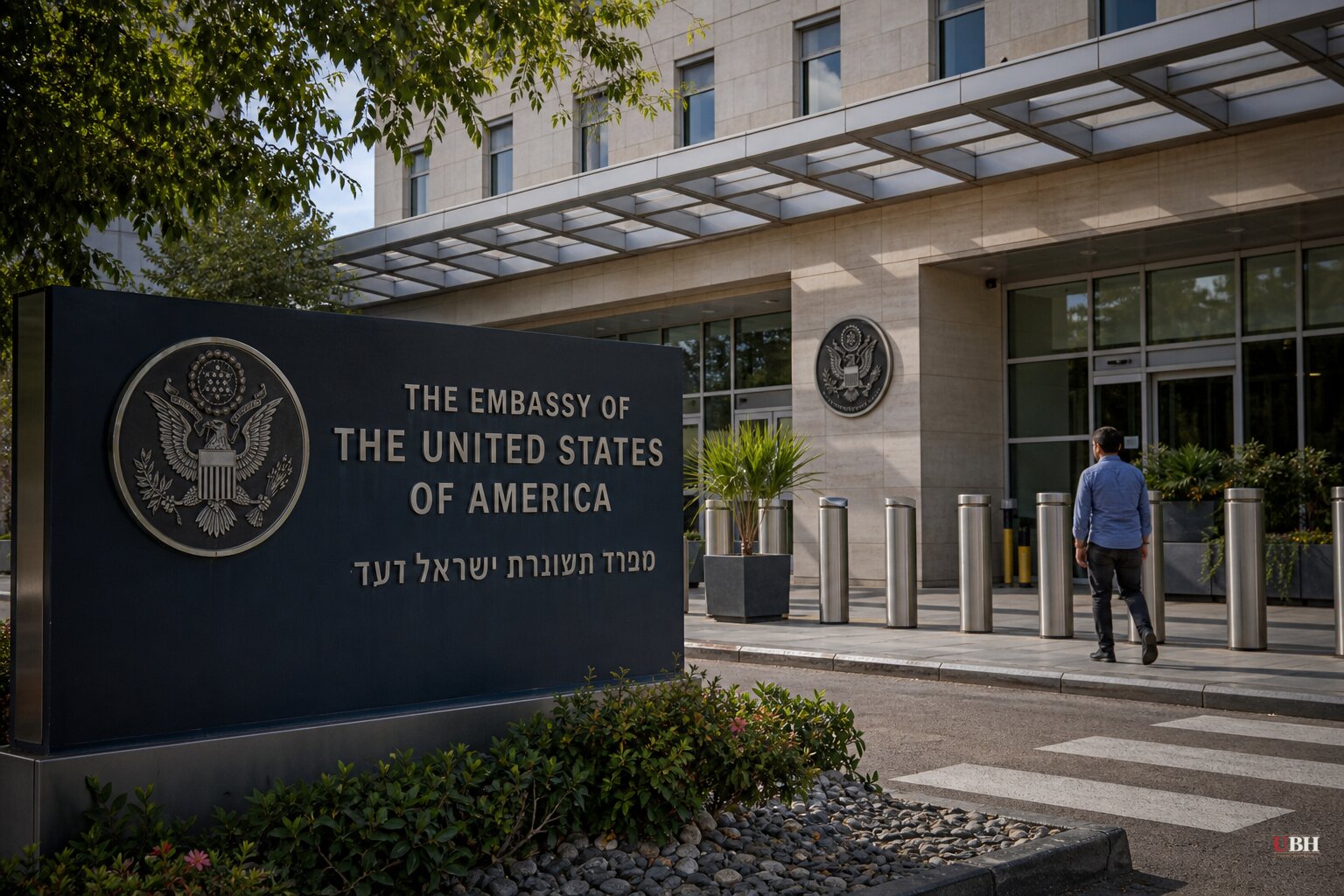
The State Department confirmed Tuesday that it has paused visa appointments at US embassies and consulates worldwide, citing a need for consular officers to get what officials call "in-depth training" on screening applicants. The pause started in early August, according to a state department official who spoke to The Guardian, and applicants who already had interviews scheduled got emails saying their appointments were canceled with a new date to come later.
The Financial Times first reported the appointment cancellations. The State Department says the goal is making sure officers can "evaluate every visa applicant comprehensively and consistently," specifically to screen out people likely to end up on public benefits.
A Court Already Killed the Last Version of This
On Friday, August 21, U.S. District Judge Jeannette Vargas in Manhattan struck down a related State Department policy that had suspended immigrant visa processing for nationals of 75 countries since January, including Brazil, Colombia, Pakistan, Bangladesh, Afghanistan, Iran, Russia and Somalia, according to Click Orlando. The timing matters because the pause began just days after her ruling.
Vargas, a Biden appointee, didn't mince words. She called the policy "contrary to law and in excess of statutory authority" and said Secretary of State Marco Rubio had no legal power to order blanket denials for applicants who individual consular officers had already found eligible, according to Fox News.
Her opinion, running 61 pages, laid out the mechanics: consular officers reviewed applicants individually, but even those who passed and had no other disqualifying issue were still refused if they came from one of the 75 listed countries. "The outcome is predetermined. The visa will be refused," Vargas wrote, according to Fox News. She also found the policy violated the Immigration and Nationality Act's explicit ban on nationality-based discrimination in visa issuance, a point Epoch Times highlighted directly from her ruling.
The lawsuit came from the Catholic Legal Immigration Network (CLINIC) and African Communities Together, along with 11 individuals, six of whom had family members denied visas under the policy. CLINIC's executive director, Anna Gallagher, said in a statement carried by both Epoch Times and Click Orlando that the case was "about keeping families together." Diana Konate, deputy executive director for policy at African Communities Together, called the policy "unlawful and racist" in her statement to Click Orlando.
The State Department has not announced it will appeal. It said Saturday it is "protecting the American people by upholding the highest standards of screening and vetting," according to Click Orlando, without committing to next legal steps.
The Worldwide Pause Isn't the Same Policy, But It Rhymes
The Guardian and The Straits Times both frame the new global appointment pause as part of the same broader push. A State Department official told The Guardian the training initiative launched in early August, before Vargas's ruling came down, and is separate from the vacated 75-country ban. It applies globally rather than to a specific list of nations.
The State Department describes the pause as procedural training, not a nationality-based bar. No court has ruled on the appointment pause itself.
Two Other Fronts: Asylum Visas and H-1Bs
Separately, the administration is preparing what The Daily Signal and the Associated Press describe as the largest visa revocation in US history: up to 200,000 business and tourism visas pulled from people who entered as short-term visitors between 2016 and 2026 and later filed for asylum. State Department spokesman Tommy Pigott said the revocations are being coordinated with the Department of Homeland Security and will happen "on a rolling basis." Deputy Secretary of State Christopher Landau said on X that "asylum isn't supposed to be a loophole to circumvent immigration laws."
Asylum seekers who enter on valid tourist or business visas and later apply for protection are following a legal process available under US and international law. Filing for asylum after arrival is not, by itself, evidence of fraud. None of the sources cite data on what share of the 200,000 cases involve fraudulent claims versus legitimate late-discovered persecution claims. No formal fraud findings against these applicants as a class have been reported.
On Capitol Hill, Sen. Tim Sheehy (R-MT) is introducing the End H-1B Abuse Act, which would freeze new H-1B visas for three years, then cap the program at 25,000 visas annually with a $200,000 wage floor and a $100,000 filing fee, according to Breitbart News, which obtained the bill text exclusively. Sheehy says the goal is stopping companies from using the program "to displace qualified, hardworking Americans with cheaper, foreign labor."
What's Unresolved
Rights groups, cited by The Straits Times, argue the broader crackdown has created a climate of racial profiling and due-process concerns for ethnic minorities. The sources do not provide data quantifying that claim beyond advocacy statements. A federal judge in a separate case struck down Trump's $100,000 H-1B visa fee as an unconstitutional tax, according to Fox News, suggesting the administration's H-1B fee strategy already has legal headwinds before Sheehy's bill even gets a vote.
Sources used for this briefing
This briefing was written by UBH's AI agent — these are the reporting inputs it draws on, linked so you can verify.


