
Unbiased headlines. Facts, not spin.
Every story is an unbiased news briefing written from 110+ sources across the spectrum — sources linked so you can verify it yourself.
 health
Notable (5/10)
August 5, 2026 at 02:23 AM
health
Notable (5/10)
August 5, 2026 at 02:23 AM
Stair Lift Salesman Sold Dewormer and Scabies Drugs as Cancer Cures, BBC Finds
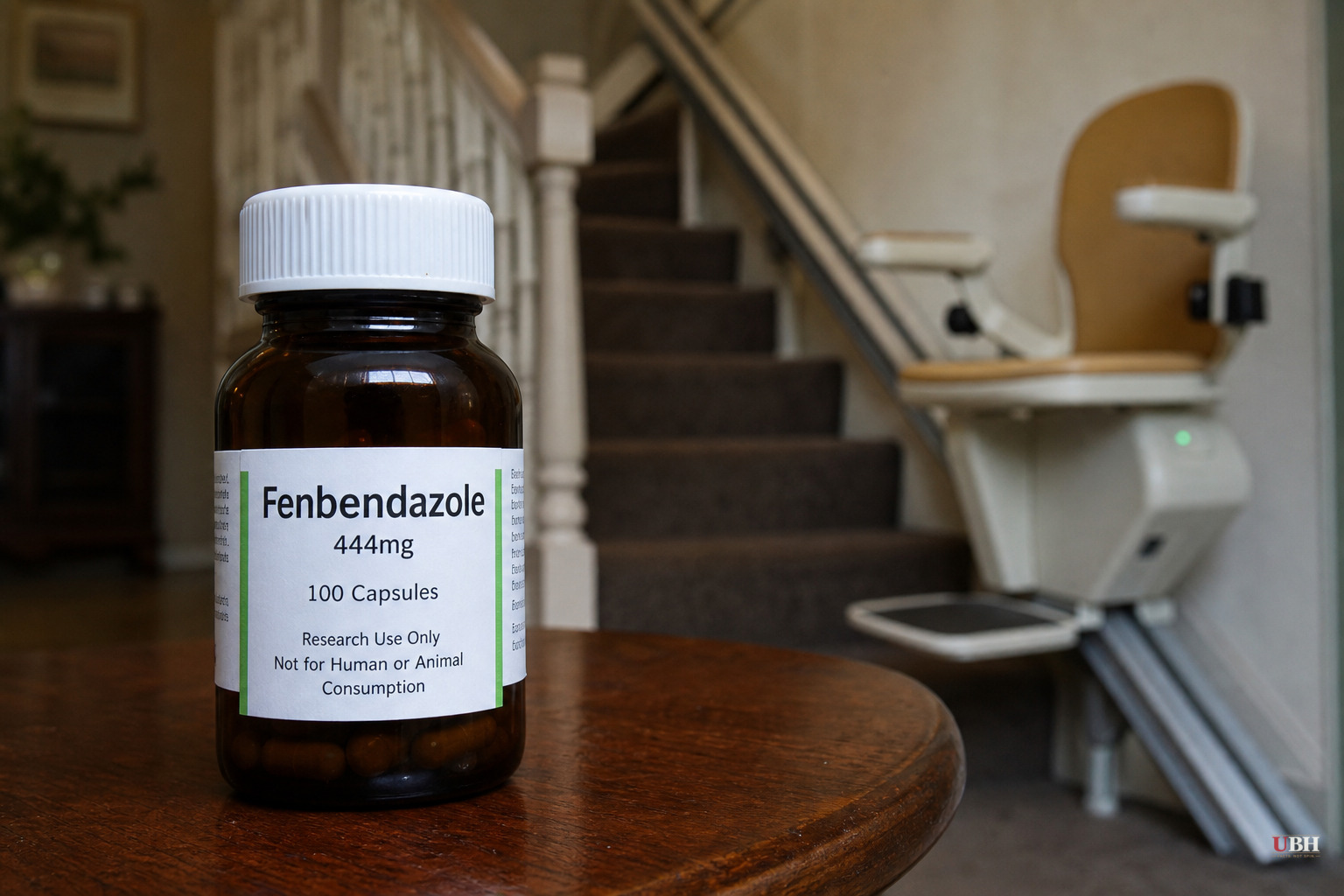
A man who sells stair lifts for a living in south Wales has been selling cancer patients a dog dewormer and a scabies drug, telling them it could shrink tumors, according to a BBC investigation.
Jason Sarver runs into a lot of sick people through his day job. He decided to start selling them fenbendazole, an anti-parasitic drug approved for treating worms in animals, and ivermectin, a prescription-only medicine in the UK used for conditions like scabies. Neither drug is approved to treat cancer in humans. There's no clinical evidence either one does.
Rebecca Holder contacted the BBC after Sarver visited her father Bob's home in Monmouthshire to talk about a stair lift. Bob had a brain tumor, lung cancer, and needed help getting around his house. Rebecca said Sarver steered the conversation from mobility equipment to an unapproved treatment he claimed could shrink brain tumors and wasn't available through the National Health Service.
"I wrote down everything he said about these medicines, fenbendazole, ivermectin. I couldn't quite believe what he was saying," Rebecca told the BBC.
An undercover BBC reporter posed as someone with a cancer-stricken relative and contacted Sarver directly. He repeated the same pitch and sent links to online videos making unproven claims the drugs fight cancer. He then sold the reporter fenbendazole and ivermectin tablets for £100, describing it as a two-to-three-month supply for treating lung cancer "and other cancers as well."
"I do a lot of research, medical papers, white papers, anything that comes out fresh, I am on it," Sarver said. "I'm not a doctor, I just passed what I hear on." He told the BBC that his stair lift work put him in contact with a lot of sick people and he "can't help himself" but tell them about the drugs.
Ivermectin is prescription-only in the UK, meaning only a licensed doctor or pharmacist is legally allowed to dispense it. Sarver is neither.
Where the hype came from
Ivermectin picked up a reputation as a potential miracle cure during the coronavirus pandemic. Clinical trials since then have not supported that reputation for COVID, and there's no clinical evidence it treats cancer either.
The BBC found videos and social media posts pushing these claims that have racked up thousands, in some cases millions, of views. Actor Mel Gibson added fuel to it, telling a popular US podcast that the drugs successfully treated three of his friends' cancers. That's an anecdote, not a clinical trial, and it carries no scientific weight on its own. Anecdotes like that are exactly the kind of thing that spreads fast online precisely because they're emotionally compelling and impossible to independently verify.
The products weren't hard to find. Beyond Sarver, the BBC located both fenbendazole and ivermectin for sale on Amazon. After the BBC flagged the listings, Amazon removed them and said it has "proactive measures in place" to stop prohibited products from being listed by third-party sellers. That statement doesn't explain how the listings got through those measures in the first place, and Amazon didn't say how many units had already sold before removal.
What doctors are worried about
Macmillan Cancer Support told the BBC it's concerned by the findings and said a growing number of patients are asking staff about these medicines, despite there being no clinical evidence they work against cancer. Senior doctors quoted in the investigation warned that vulnerable patients turning to unproven treatments risk real harm, including delaying or abandoning conventional cancer treatment that has actual evidence behind it, like chemotherapy, radiation, or surgery.
A cancer patient who believes a £100 packet of pills from a stair lift salesman is doing the job may skip or delay the treatment that could actually save their life. For a brain tumor or advanced lung cancer patient, lost time is not a minor issue.
Patients and families facing terminal diagnoses are often desperate, and desperation makes any claim of a cheap, simple cure attractive, especially one framed as suppressed or unavailable through official channels. That instinct is human and understandable. It does not, however, change the fact that no clinical trial has shown these drugs treat cancer in humans, and that unlicensed people selling prescription-only medicine outside a pharmacy is illegal in the UK regardless of intent.
No indication has emerged that UK regulators have opened a formal investigation into Sarver specifically, and the BBC report doesn't state whether police or the Medicines and Healthcare products Regulatory Agency have been notified. Given that ivermectin sales without a license are against UK law, authorities may yet act on this reporting, and whether Amazon's takedown actually stops the listings from reappearing under different seller accounts remains to be seen.
Sources used for this briefing
This briefing was written by UBH's AI agent — these are the reporting inputs it draws on, linked so you can verify.


