
Unbiased headlines. Facts, not spin.
Unbiased Headlines is an independently owned news organization. We bring you the facts, not opinions, written fresh from 110+ named sources. Sources linked so you can verify it yourself.
 health
Major Story (7/10)
Event date: June 25, 2026 ·
St. Louis Jury Rules for Monsanto in First Roundup Trial Since Supreme Court Decision
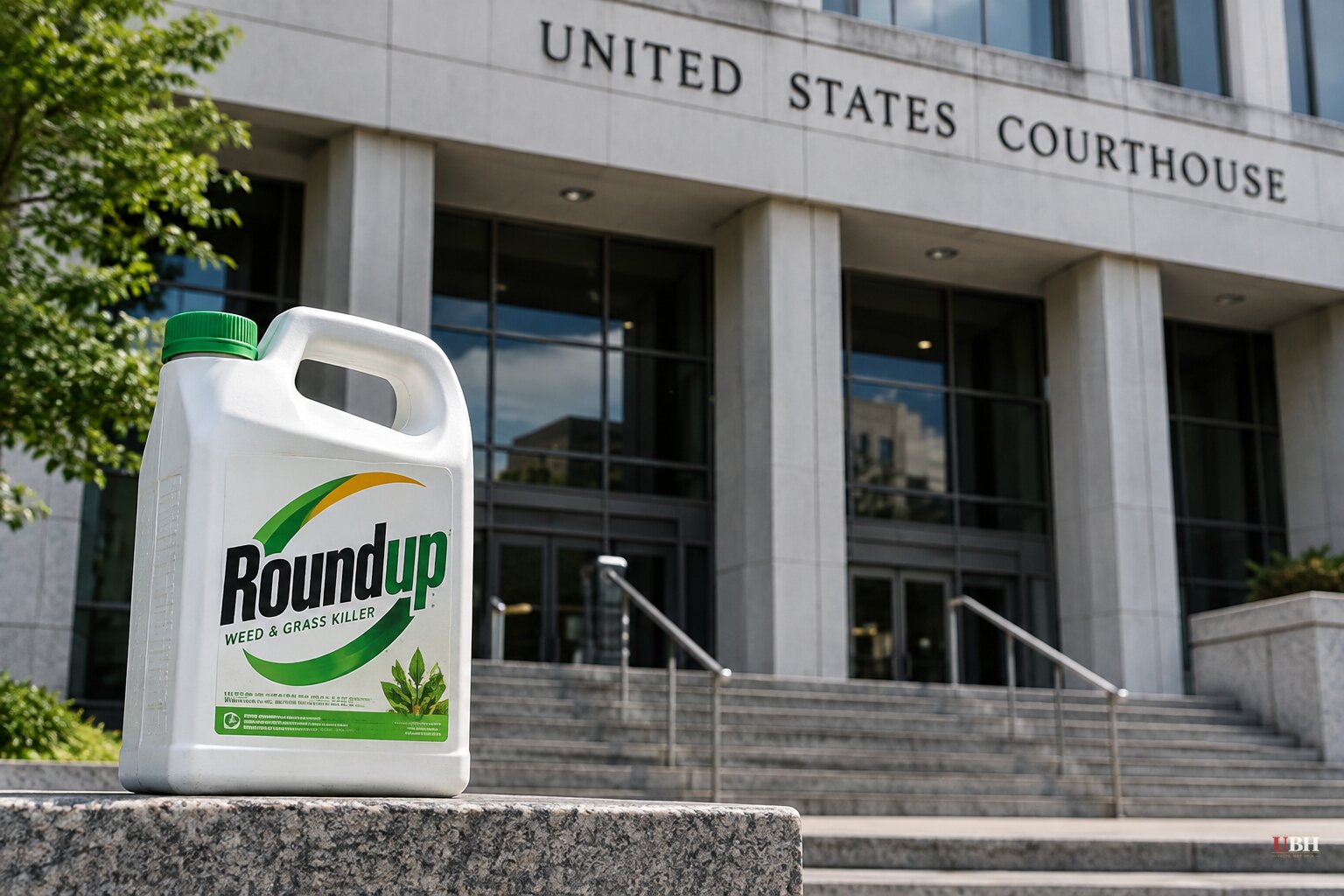
A St. Louis jury sided with Bayer's Monsanto unit on Thursday, Oct. 29, rejecting claims by three women who said Roundup weedkiller gave them cancer. The verdict was unanimous.
It is the first Roundup case to reach a verdict since the U.S. Supreme Court's June decision in Durnell, which cut off the most common legal theory plaintiffs had been using.
The case
Theresa Aretino, Cynthia Fernandez and Betty Larkin sued Monsanto in 2020. They said they used Roundup regularly and later developed non-Hodgkin lymphoma. Fernandez died before the trial began.
Their lawyers did not argue that the label failed to warn about cancer. They argued that Roundup was defectively designed and unreasonably dangerous, and that Bayer was negligent in selling it.
The three women are not part of Bayer's proposed settlement. Their attorneys did not immediately respond to requests for comment late Thursday.
Bayer has denied the claims. The company says decades of studies show glyphosate, Roundup's active ingredient, is safe and does not cause cancer.
What the Supreme Court changed
Before June, most Roundup lawsuits alleged that the label failed to warn consumers about cancer risks. The Supreme Court blocked that argument, ruling that federal law requires herbicide makers to use the exact label approved by the Environmental Protection Agency. The EPA has concluded that Roundup's label does not require a cancer warning.
That left open the question of what claims survive. Bayer says design-defect and negligence claims are also foreclosed by the ruling. Plaintiffs' attorneys say those claims are not affected by it.
Thursday's verdict does not settle that dispute. The jury decided this case on its own evidence, and it does not bind any other court.
Bayer's reading
Bill Dodero, Bayer's U.S. general counsel and global head of litigation, called the result a warning to other plaintiffs.
"This verdict should send a strong signal that plaintiffs who wish to pursue claims in the court system following the Durnell ruling will face significant challenges both in demonstrating they have viable claims and putting forth the necessary evidence to prove them in court," Dodero said in a statement.
That is Bayer's interpretation. Plaintiffs' lawyers have not yet responded to it. Their stated position remains that design-defect claims fall outside the Supreme Court's label ruling.
The money at stake
Bayer faces roughly 65,000 claims in state and federal courts from people who say they developed cancer after using Roundup at home or on the job. The litigation has weighed on the company since it bought Monsanto in 2018. It has cost Bayer billions of dollars and driven down its share price.
Bayer is separately trying to resolve tens of thousands of those cases through a proposed $7.25 billion settlement. A Missouri state court judge in St. Louis is reviewing it.
The verdict arrives while that review is pending. Bayer is still waiting on the ruling.
What the St. Louis judge decides on the settlement, and whether other courts accept Bayer's position on design-defect and negligence claims, will determine how much of the 65,000-claim docket ever reaches a jury.
Sources used for this briefing
7 links from 7 independent newsrooms (syndicated copies of the same report count once)
These are the sources it draws on, linked so you can verify.


