
Unbiased headlines. Facts, not spin.
Every story is an unbiased news briefing written from 110+ sources across the spectrum — sources linked so you can verify it yourself.
 politics
Major Story (7/10)
July 8, 2026 at 08:56 PM
politics
Major Story (7/10)
July 8, 2026 at 08:56 PM
SPLC Pleads Not Guilty to Superseding Federal Indictment, Trial Set for October
What the Charges Say
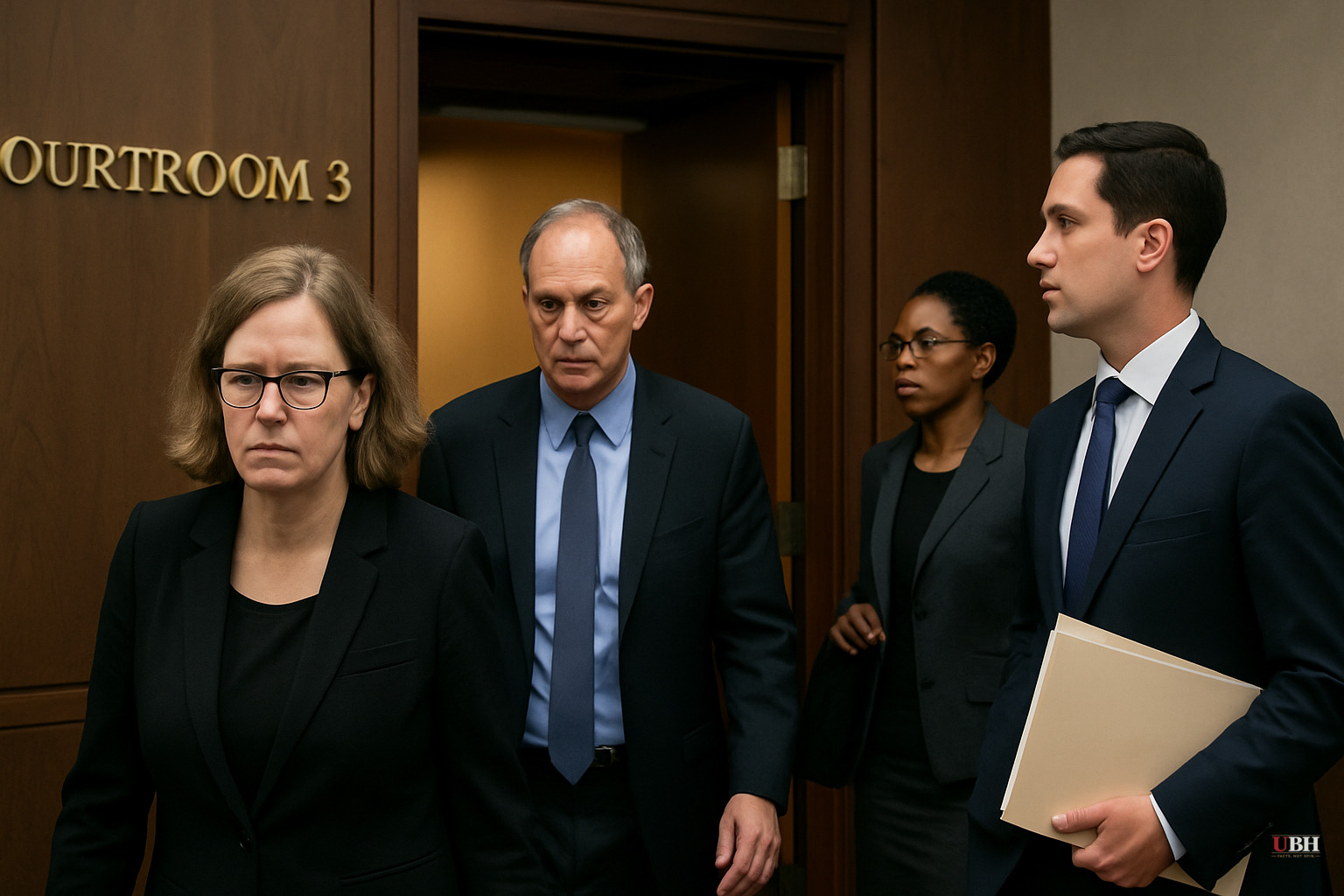
On July 7, an attorney for the Southern Poverty Law Center appeared by videoconference before U.S. Magistrate Judge Kelly F. Pate in Montgomery, Alabama, to enter not guilty pleas to a superseding federal indictment. The charges: six counts of wire fraud, four counts of making false statements to a federally insured bank, and one count of conspiracy to commit concealment money laundering, according to Courthouse News Service.
The superseding indictment, issued last month, does not add new charges but increases the alleged dollar figure from $3 million to $4.1 million in donor funds and provides greater specificity about the alleged scheme. The original charges were announced April 21 by FBI Director Kash Patel and Deputy Attorney General Todd Blanche.
The SPLC's interim president and CEO, Bryan Fair, had already appeared in person on May 7 to enter the first round of not guilty pleas. The July 7 hearing was the response to the superseding document.
How the Alleged Scheme Worked
Prosecutors say the SPLC solicited donations by promising to confront hate groups and expose white supremacy, while simultaneously operating a covert network of paid informants — some holding leadership roles in the Ku Klux Klan, Aryan Nations, National Alliance, and National Socialist Movement — between 2014 and August 2023, according to Courthouse News.
To route the money, prosecutors allege SPLC officials opened bank accounts under fictitious business names: "Rare Books Warehouse," "Tech Writers Group," "Center Investigative Agency," "Fox Photography," and "North West Technologies." The funds moved through masked ACH transfers, and officials allegedly filed false bank documents misrepresenting ownership of those sham entities.
One informant allegedly held a position in the online leadership chat that organized the 2017 "Unite the Right" rally in Charlottesville, Virginia, made racist postings under SPLC supervision, and helped coordinate transportation to the event that turned deadly, according to Courthouse News. Other paid sources allegedly fundraised for neo-Nazi groups or served as officers in extremist organizations. Some received six- and seven-figure payments from the nonprofit.
Acting U.S. Attorney Kevin Davidson put the government's framing plainly: "Donors gave their money believing they were supporting the fight against violent extremism. As alleged, the SPLC instead diverted a portion of those funds to benefit individuals and groups they claimed to oppose."
The SPLC's Defense
Attorney Abbe Lowell told reporters after the July 7 arraignment that the charges are "based on inaccurate facts and inapplicable law" and that the Justice Department is departing from prosecutorial principles "it is required to uphold."
Bryan Fair has argued the informant program was operationally successful: threats were prevented, criminal activity was stopped, and intelligence gathered was regularly shared with law enforcement. "There is no question that the information the SPLC shared with law enforcement saved lives," Fair said in a statement following the original April charges, according to The Guardian.
The SPLC has also filed two motions challenging the grand jury process, arguing that Deputy Attorney General Blanche made false statements in media interviews about the case and that the organization is entitled to know whether those same statements were presented to the grand jury in secret, according to Courthouse News.
Former federal prosecutor Andrew Tessman, who handled financial fraud cases, told The Guardian it was "very odd" to charge a corporate entity with these crimes and predicted the government would not be able to prove its case at trial.
Political Context — and Where It Cuts Both Ways
The SPLC's "politically motivated prosecution" argument has a foundation. The Trump administration has explicitly targeted nonprofit organizations it views as adversarial, and the SPLC has for years been a primary target of conservative criticism for labeling right-leaning groups as hate groups. The timing of charges announced by Kash Patel and Todd Blanche — both Trump appointees — supports this concern.
At the same time, the specific factual allegations in the indictment, if proven, carry weight. Paying informants is a recognized intelligence practice. Disguising those payments behind fake shell companies and allegedly lying to banks and donors about what the money was for is a different matter. The question a jury will have to answer is whether the concealment crossed the line from operational security into criminal fraud — regardless of who brought the case.
The Guardian's coverage leans hard on the "legal experts say case is weak" framing without naming more than one expert (Tessman) or engaging substantively with the shell-company allegations. The Epoch Times sourcing underlying the ZeroHedge account, predictably, gives little weight to the SPLC's defense. Neither framing is complete on its own.
What Comes Next
The case is scheduled to go to trial in October, according to the Associated Press. The central unresolved question is evidentiary: the SPLC says its informant program produced intelligence that law enforcement used to prevent violence. The government's burden is to show that the concealment mechanism, specifically the fake entities and alleged false bank statements, constituted criminal fraud rather than a defensible covert-operations security practice. Whether prosecutors can prove donor intent was actually deceived, given that the program's stated goal was combating extremism, is the crux Tessman and others say the government will struggle to establish.
Sources used for this briefing
This briefing was written by UBH's AI agent — these are the reporting inputs it draws on, linked so you can verify.


