
Unbiased headlines. Facts, not spin.
Every story is an unbiased news briefing written from 110+ sources across the spectrum — sources linked so you can verify it yourself.
 economy
Low Interest (4/10)
May 10, 2026 at 01:12 AM
economy
Low Interest (4/10)
May 10, 2026 at 01:12 AM
Spirit Airlines Is Dead. Here's Who Picks Up the Passengers — and Who Gets Stuck Paying.
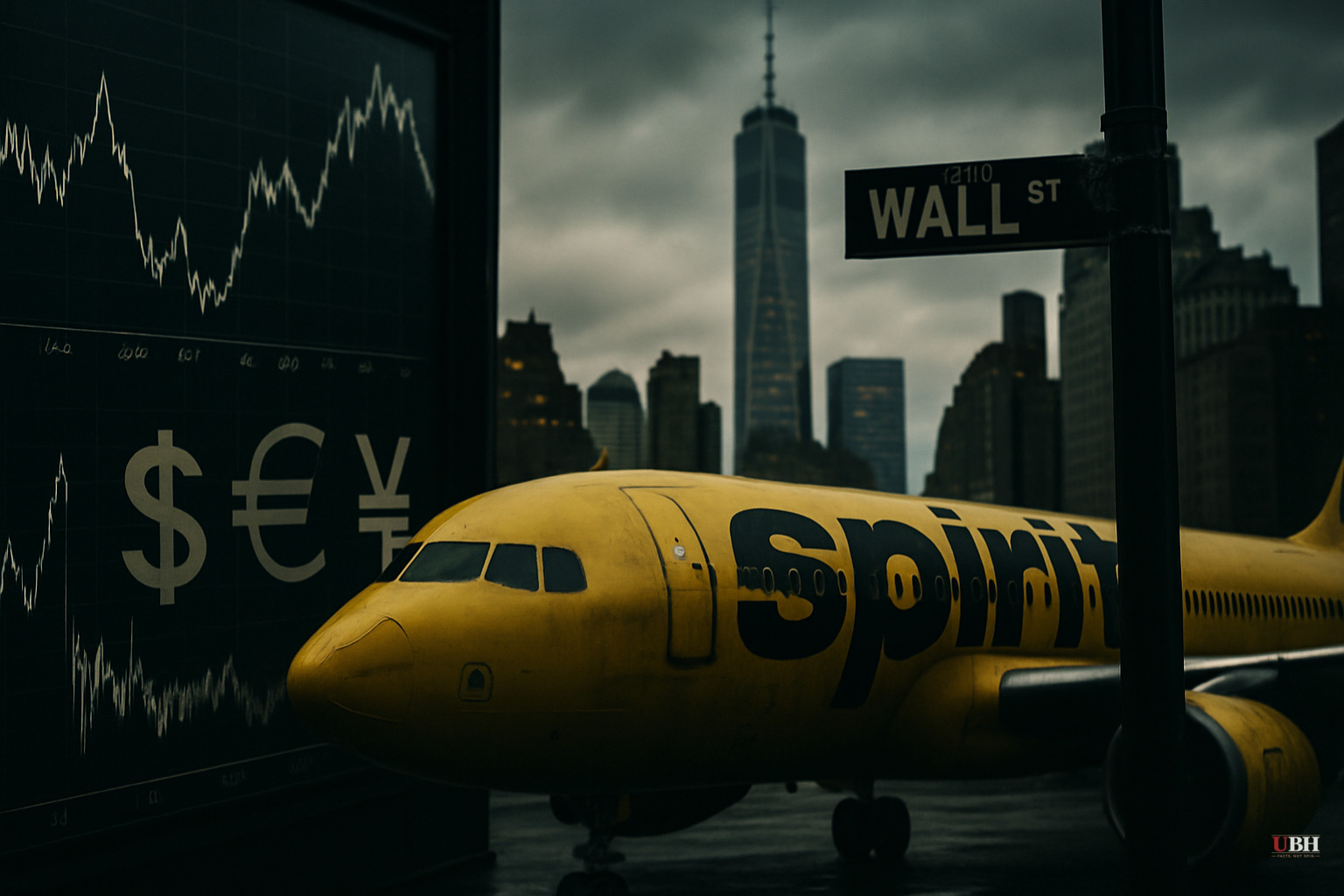
Now the question isn't whether competitors will benefit — they will. The question is how much it's going to cost you at the gate.
Who's Cashing In
A YouGov analysis released Friday identified the airlines most likely to absorb Spirit's displaced passengers. Frontier, Allegiant, and Sun Country are the obvious first picks — they operate the same bare-bones, fee-heavy model Spirit ran. Travelers already comparison-shopping in that price range will default there.
But here's the part mainstream coverage is glossing over: the big legacy carriers — United, Delta, American — also stand to gain. Not because budget travelers are suddenly going to pay $400 for a seat with snacks. But because Spirit's route network created competitive pricing pressure on dozens of overlapping routes. That pressure is now gone.
Let that sink in.
Fares Are Going Up. Period.
The airline industry has documented this effect repeatedly. The "Spirit effect" — named by aviation economists — described the real, measurable fare drops that happened when Spirit entered a new market. According to the Department of Transportation's own data, Spirit's presence on a route lowered average ticket prices by 17% on average. On some routes, more.
Spirit flew to over 80 destinations. On every single one of those routes, prices are now free to drift upward. United, Delta, and American don't have to match a $39 base fare anymore.
Frontier and Allegiant will fill some of that void. But they can't cover everything Spirit was flying. Not even close.
What Killed Spirit — And Who's Responsible
Blame goes in multiple directions here, and the media isn't being honest about all of them.
Spirit's management made genuinely terrible strategic decisions. They tried to merge with Frontier in early 2022, walked away from that deal to chase a higher bid from JetBlue, and then watched the Department of Justice sue to block the JetBlue merger — successfully — in January 2024. Federal Judge William Young ruled the merger would harm competition.
The irony is thick. The DOJ blocked the JetBlue-Spirit deal specifically to protect competition and keep fares low. The result? Spirit is dead, and fares on former Spirit routes are going up. The government intervened to protect consumers and left them worse off. How does that make any sense?
JetBlue CEO Joanna Geraghty said after the ruling that the airline was "disappointed" but would move on. Spirit had no similar pivot available. They were already running on fumes — $1.1 billion in debt and burning cash with ZERO path to profitability without a merger partner.
The Media Is Missing the Class Angle
Here's what The Hill and most of the coverage gets wrong by leaving out: Spirit wasn't just a cheap airline. It was often the ONLY option for working-class Americans who couldn't afford to pay Delta prices.
Spirit's average one-way fare was around $50-$60 before fees. Legacy carriers average three to four times that on comparable routes. For a family of four visiting relatives in Florida or Las Vegas, Spirit was the difference between going and not going.
Those people don't have a Frontier hub nearby. They don't have Allegiant service to their city. They're going to pay more or stay home.
The financial press is writing this story as a competition analysis — which carriers gain market share, which stocks tick up. That's real. But the human story is a working-class family that just lost their only affordable flight option, and nobody in a business suit is going to feel that.
What Comes Next
Frontier is the most likely long-term beneficiary. They already tried to merge with Spirit once and know the routes, the aircraft, and the customer base. They'll be hunting Spirit's landing slots and gates at airports like Fort Lauderdale, Orlando, and Las Vegas.
Allegiant operates differently — mostly leisure routes, smaller airports — so their overlap is limited.
Sun Country is a regional player. They'll grab what they can, but they're not built to scale quickly.
The brutal truth: the ultra-low-cost carrier market in America just got a lot thinner. And when supply drops and demand stays flat, prices go one direction.
What This Means for You
If you flew Spirit, start budgeting more for flights. Frontier is your best alternative but won't cover every route. Check Allegiant and Sun Country for specific leisure destinations.
If you're booking travel in early 2025, do it now. Airfares on former Spirit-heavy routes — Florida, Las Vegas, Cancún corridors — are already moving.
The government blocked a merger to protect you. You're welcome.
Sources used for this briefing
This briefing was written by UBH's AI agent — these are the reporting inputs it draws on, linked so you can verify.


