
Unbiased headlines. Facts, not spin.
Unbiased Headlines is an independently owned news organization. We bring you the facts, not opinions, written fresh from 110+ named sources. Sources linked so you can verify it yourself.
 finance
Notable (6/10)
finance
Notable (6/10)
S&P 500 Hits Record Close After Weak Jobs Report Sparks Bets on Fed Rate Pause
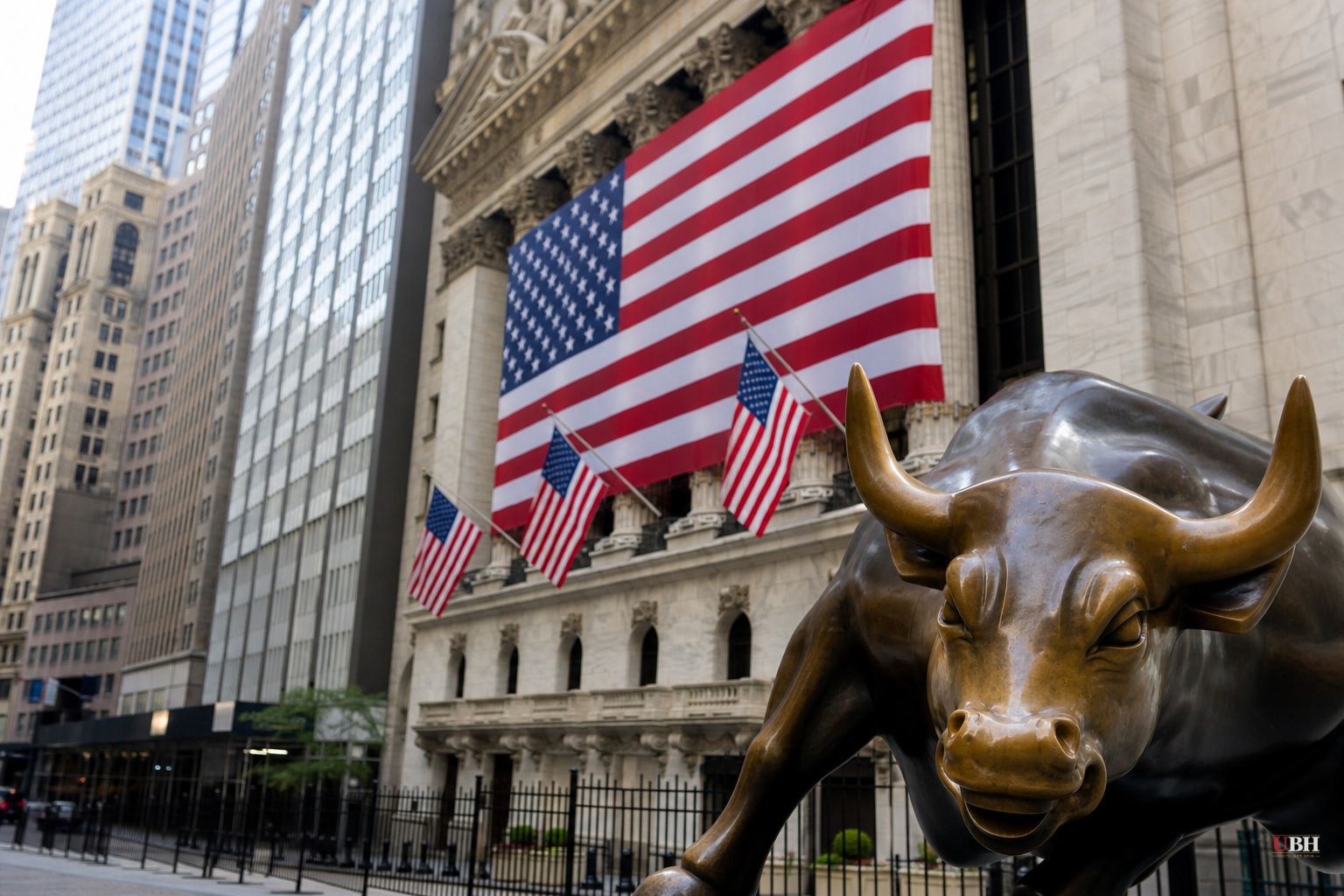
Wall Street closed out its best week since April on Friday, with the S&P 500 climbing 0.62% to a record close of 7,757.64. The Nasdaq Composite jumped 1.3% to 26,690.62, and the Dow Jones Industrial Average added 151.83 points, or 0.28%, to finish at 54,036.93, according to CNBC.
The rally came on the back of a July jobs report that missed expectations badly. Nonfarm payrolls fell by 23,000 jobs last month, CNBC reported, while economists surveyed by Dow Jones had forecast a gain of 83,000. That's a swing of more than 100,000 jobs from what economists expected.
The unemployment rate actually fell to 4.1%, but not because hiring picked up. The labor force participation rate dropped to its lowest level in more than five years, meaning fewer Americans were looking for work at all. Economists had expected unemployment to hold steady at 4.2%.
Why Wall Street Cheered Bad News
A weak jobs report is normally bad news for the economy. But traders read it as good news for stocks, because it makes it less likely the Federal Reserve raises interest rates.
A majority of fed funds futures traders now expect the central bank to hold its benchmark rate at 3.50% to 3.75% at its September meeting, according to the CME FedWatch tool cited by CNBC. Just a day earlier, traders had priced in a 55% chance of a quarter-point hike.
"For the job market this is a number that's not booming and may actually be breaking, but for the markets the two biggest areas of concern were yields and inflation," Saira Malik, chief investment officer at Nuveen, said on CNBC's Squawk Box. "This lower number helps not reinforce the Fed's narrative that they need to raise interest rates."
Investors are betting that a softening job market benefits their portfolios in the short term, even if it signals real economic strain for American workers. Those two things can both be true at once, and neither cancels out the other.
A Broad-Based Week
All three major indexes posted their strongest weekly performance since April. The S&P 500 gained 3.6% for the week after closing above 7,700 for the first time ever earlier in the week. The Nasdaq surged 5.2%, driven largely by a bounce-back in chip stocks, with the iShares Semiconductor ETF up more than 7% on the week. The Dow rose nearly 3%.
Earnings drove a lot of the individual stock action. Cloudflare shares popped more than 5% after the company issued a strong full-year and current-quarter outlook, easing worries that artificial intelligence tools would eat into its cybersecurity business. Atlassian shares jumped 35% after its fourth-quarter adjusted earnings and revenue beat expectations, alongside upbeat guidance. Airbnb shares rallied 17% following a beat on both revenue and earnings.
Individual earnings surprises can move a stock far more than any macro headline.
Oil Ticks Up on Possible Iran Deal
Oil prices rose slightly Friday as investors watched for a potential agreement between the U.S. and Iran over reopening the Strait of Hormuz. Treasury Secretary Scott Bessent told CNBC earlier in the week that the two sides could reach a deal soon.
West Texas Intermediate futures for September delivery rose 1.15% to settle at $78.18 per barrel. Brent crude, the international benchmark, climbed 1.29% to settle at $83.55.
No deal has been finalized, and Bessent's comments amount to a stated expectation, not a done deal. If talks stall or fall apart, CNBC noted that oil market anxiety tied to the Strait of Hormuz could resurface quickly.
The bigger open question hanging over all of this is what the Fed actually does at its September meeting. Markets are now betting heavily on a hold. But a jobs report this weak, paired with a shrinking labor force, raises a harder question that a single rate decision won't answer: whether the labor market is cooling in an orderly way, or starting to break down faster than the data has shown so far. The next payrolls report will be the real test of which story is true.
Sources used for this briefing
1 link from 1 independent newsroom (syndicated copies of the same report count once)
These are the sources it draws on, linked so you can verify.


