
Unbiased headlines. Facts, not spin.
Unbiased Headlines is an independently owned news organization. We bring you the facts, not opinions, written fresh from 110+ named sources. Sources linked so you can verify it yourself.
 finance
Notable (5/10)
finance
Notable (5/10)
Rockstar Energy Founder Buys 12 Million Celsius Shares, Demands CEO John Fieldly Be Fired
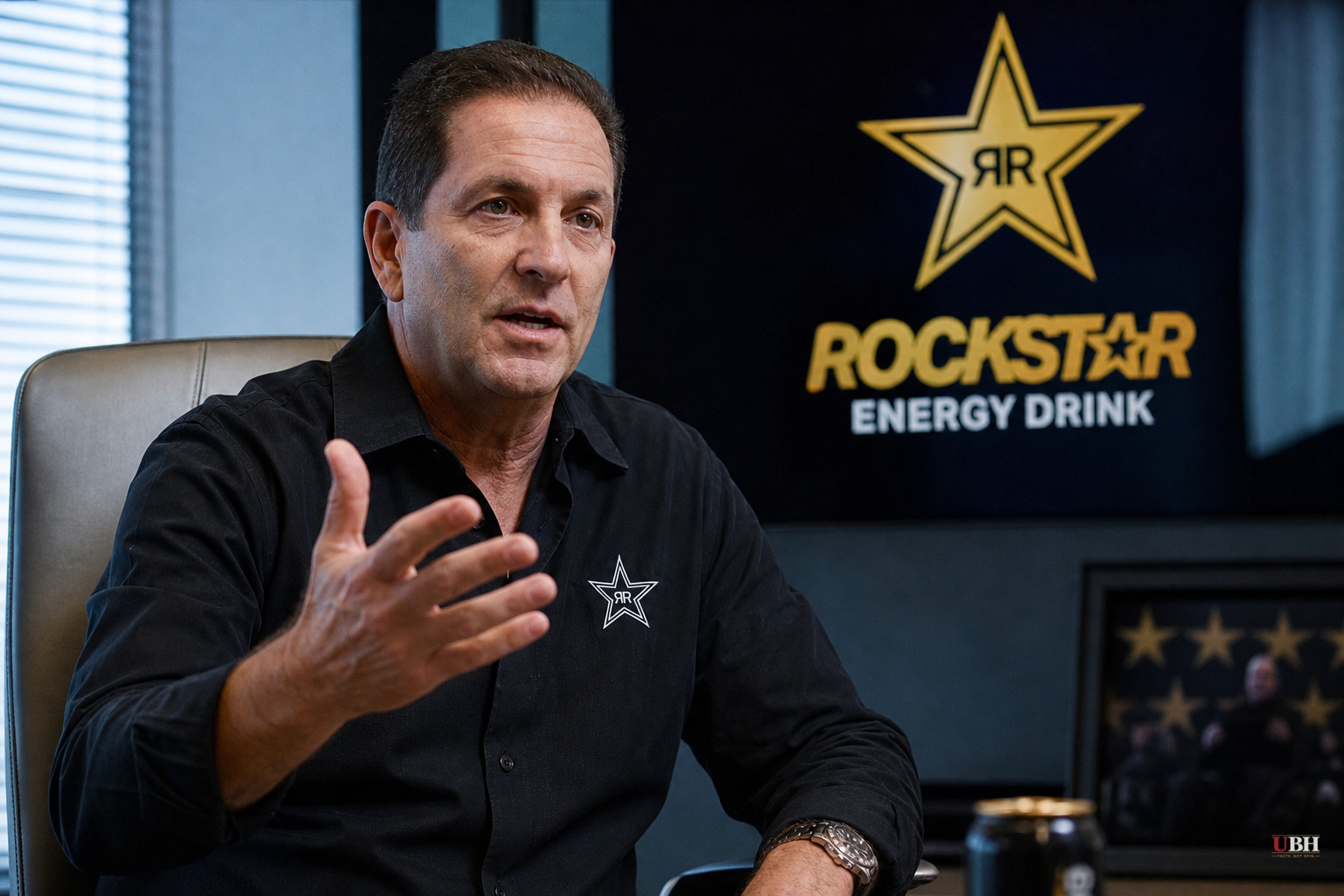
Russ Weiner knows the energy drink business. He built Rockstar Energy from scratch starting in 2001 and sold it to PepsiCo in 2020 for nearly $4 billion. Now he's turned that money into a 4.7% stake in Celsius Holdings, worth roughly $300 million at current prices, according to CNBC. And he wants blood.
"The CEO, the COO, the brand manager and the marketing manager all need to be fired," Weiner told CNBC. That's a demand for a housecleaning at the top of one of America's fastest-growing energy drink companies.
Weiner now controls more than 12 million shares of Celsius, per CNBC. He says he's been quietly pushing the company for over a year to fix its cost structure and marketing approach. Quiet advice apparently didn't work. Now he's going public.
The Earnings Miss That Triggered It
Celsius shares dropped 18% on Thursday after the company's second-quarter numbers came in soft. Earnings landed at 36 cents per share against a Wall Street estimate of 43 cents, according to LSEG data cited by CNBC. Revenue hit $817.9 million, missing the $870 million analysts expected. Net income attributable to common shareholders fell by more than half compared to the same quarter last year.
It came at a bad time for a company juggling two major acquisitions.
Celsius Chairman and CEO John Fieldly told analysts on the earnings call that a "product rationalization program" and a "deliberate pause in innovation" drove the shortfall. The company pulled back on new product lines while it worked through integrating Alani Nu, a $1.8 billion acquisition from last year, and the Rockstar brand itself, which Celsius picked up from PepsiCo in the U.S. and Canada as part of a long-term partnership. PepsiCo still owns Rockstar internationally, the same brand Weiner originally built.
Fieldly admitted the company may have moved too aggressively cutting products to clear space for newer ones. But he pushed back on the idea that Celsius is in trouble. "We are a key growth driver for the energy category, and we are just beginning to unlock the full potential of our expanding portfolio," he said, noting Celsius still sells one of every five energy drinks sold in the U.S.
Celsius's Response
The company isn't ignoring Weiner, but it's not caving either. A Celsius spokesperson told CNBC the company is seeing "continued demand and resilience across its base" and framed Weiner's involvement diplomatically: "We welcome ideas that are potentially value-creating from all Celsius Holdings shareholders. We remain focused on executing our total energy portfolio strategy to drive durable, long-term growth. Members of our Board and management team have engaged with Russ Weiner many times over the past several years."
This confirms Weiner isn't some random activist who showed up out of nowhere. He's had a seat at the table, informally, for years. The board and management have heard his pitch before and apparently didn't act on it to his satisfaction.
What's Actually Happening
This is not a hostile takeover in the formal sense. A 4.7% stake doesn't give Weiner control or a guaranteed board seat. He hasn't filed for a proxy fight, and there's no indication yet that he's nominated alternative directors or launched a formal campaign to replace Fieldly. What he has done is use his credibility, and CNBC's microphone, to apply public pressure.
That's a legitimate shareholder tactic. Weiner isn't a short-seller trying to profit off bad news. He bought millions of shares, meaning he's financially exposed if Celsius keeps sliding. His incentive is aligned with other shareholders who want the stock to recover, not with tanking the company for a quick trade.
The fair counterpoint here belongs to Fieldly and the board. Integrating two major acquisitions in the same stretch, Alani Nu and Rockstar's domestic rights, is genuinely hard. Pulling back on product lines to consolidate a portfolio is a defensible strategy even if it costs a quarter or two of growth. A single earnings miss, even an 18% stock drop, isn't automatically proof of management failure. Plenty of companies eat a rough quarter mid-integration and come out stronger.
Whether Weiner's public pressure campaign turns into an actual board fight remains to be seen. Celsius hasn't announced any leadership changes. No proxy contest has been filed. The next test will be whether other institutional shareholders, who collectively hold far more than Weiner's 4.7%, start echoing his demands or side with Fieldly's turnaround pitch.
Sources used for this briefing
1 link from 1 independent newsroom (syndicated copies of the same report count once)
These are the sources it draws on, linked so you can verify.


