
Unbiased headlines. Facts, not spin.
Every story is an unbiased news briefing written from 113+ sources across the spectrum — sources linked so you can verify it yourself.
 politics
Notable (6/10)
Event date: September 17, 2026
politics
Notable (6/10)
Event date: September 17, 2026
Social Security's Flat-Rate COLA Idea Would Shrink Inflation Protection for 80% of Retirees, AARP Says
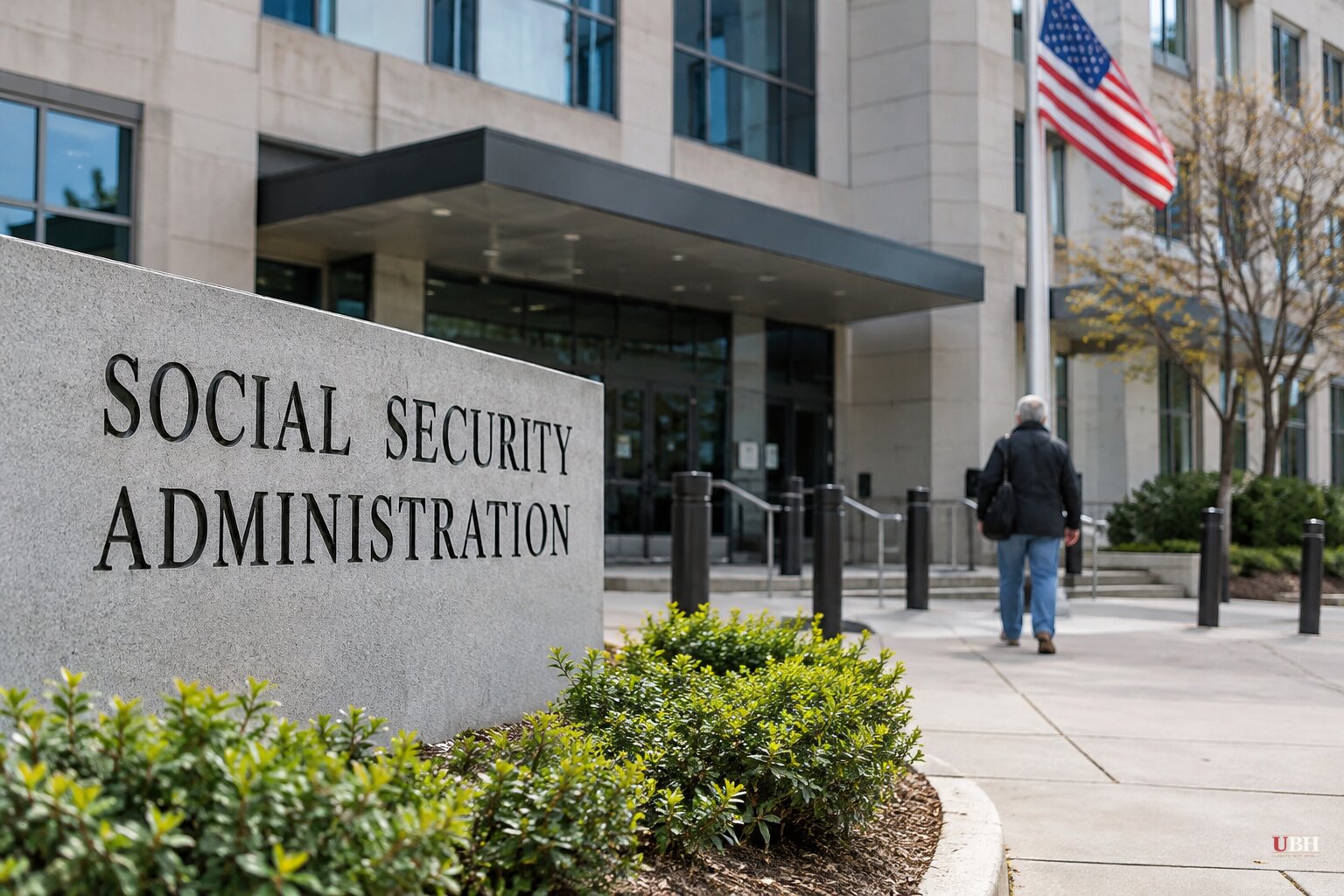
Social Security has two fights happening at once. One is over how the annual cost-of-living adjustment gets calculated. The other is over who in Washington gets to decide how to save the program before money runs out.
The flat-rate COLA fight
Right now, every Social Security beneficiary's annual raise is the same percentage, applied to whatever benefit they already collect. The 2026 COLA came in at 2.8%, adding roughly $58 to the average retired worker's monthly check, according to Yahoo Finance.
A proposal first floated in 1987 by then-Democratic Rep. Tim Penny of Minnesota would scrap that system. Instead, everyone would get the same flat dollar raise, calculated using whatever percentage increase applies to a beneficiary near the 20th percentile of monthly payments, according to BigGo Finance. If that lower-income beneficiary got a $34 raise, every recipient, rich or poor, would get $34.
That's about $24 less per month than the current formula would deliver to the average retiree, according to Yahoo Finance, which works out to roughly $285 behind in year one alone. AARP calculates that someone who retired at 65 in 1998 could have collected approximately $77,900 less by age 93 under the alternative formula, because smaller raises compound over decades.
AARP put it bluntly: "For 80% of beneficiaries, the flat-rate COLA would erode the inflation protection that Social Security has always provided, and the impact would grow as people age," the group said, warning it would "intensify financial hardship for many people in their 80s and 90s and for people who develop disabilities at relatively young ages."
Supporters have a real argument. The nonpartisan Committee for a Responsible Federal Budget says the flat-rate formula would raise payable benefits for the lowest fifth of earners by an estimated 13% to 14%, and could close roughly half of Social Security's projected 75-year funding shortfall. Some retirees would also owe slightly less federal income tax under the change, since they'd receive less income, though that offset wouldn't come close to replacing what they lose in benefits.
Even CRFB's own math shows the fix is partial. According to Yahoo Finance's reporting on the proposal, a flat-rate COLA would buy the system only about two extra years before insolvency. It's not a solvency fix by itself. It's a redistribution mechanism with a side effect on the trust fund's math.
The bigger clock: 2032
The Old-Age and Survivors Insurance Trust Fund is projected to run dry in the fourth quarter of 2032, according to the 2026 Social Security Trustees Report, cited by BigGo Finance. At that point, incoming payroll taxes would cover only 78% of scheduled payments, meaning an automatic 22% benefit cut unless Congress acts. Finance Buzz reports that Congressional Budget Office estimates released in 2026 suggest the eventual cut could approach 28% if lawmakers keep doing nothing.
That 22% cut isn't just a future-worker problem. SSA's chief actuary told the Senate Budget Committee in April 2026 that if the trust fund is depleted, total benefits would likely be capped at incoming tax revenue, meaning people already collecting checks would see their payments cut too. There's no legal protection carving out current retirees, according to Finance Buzz.
Two bills, two fights over process
Congress has produced two competing approaches. H.R. 9187, the Bipartisan Social Security Commission Act, introduced in June, would create a 13-member commission tasked with producing a non-amendable 75-year solvency plan, according to the Epoch Times. S. 4979, the PROMISE Act, introduced July 14, takes a different route: it directs the four-member Social Security Advisory Board to draft a 50-year plan.
AARP came out against the PROMISE Act on July 21. Its objections are about process, not just math. The advisory board currently has only four of seven seats filled, all congressional appointees, with the presidential slots vacant, according to Money Talks News. AARP's senior vice president for government affairs says the board has never been asked to draft legislation before, and this bill gives it just over a month to do it. If committees haven't reported the bill by Nov. 9, it moves straight to a House and Senate floor vote regardless, bypassing the committee process where, as Money Talks News put it, "most bad ideas go to die."
Supporters of the fast-track approach could reasonably argue that ordinary committee process is exactly why nothing has moved since the 1983 Greenspan Commission, the last time Washington actually restructured the program. Notably, current board member Nancy Altman served as an assistant on that 1983 commission.
What an actual fix costs
The Social Security Trustees estimate that achieving 75-year solvency immediately would require raising the combined payroll tax rate from 12.4% to 16.65%, cutting scheduled benefits by 25.2%, or some combination, according to the Epoch Times. Waiting until 2032 makes the math worse.
A Fox News opinion piece laid out one specific package: raise the Social Security taxable wage ceiling from $184,500 to $400,000, and gradually raise the employee payroll tax rate from 6.2% to 7.2% over 10 years, a 0.1 percentage point increase per year. That combination, the piece argued, could generate well over $1 trillion in additional revenue over a decade.
Whether any of these ideas, the flat-rate COLA, the commission bill, the PROMISE Act, or a wage-cap increase, gets a floor vote remains unresolved. The PROMISE Act's Nov. 9 committee deadline is the next concrete date to watch. If Congress lets it pass without action, the bill's fast-track mechanism kicks in whether committees are ready or not.
Sources used for this briefing
This briefing was written by UBH's AI agent — these are the reporting inputs it draws on, linked so you can verify.


