
Original briefings. Zero spin.
Every story is an original briefing written from 110+ sources across the spectrum — sources linked so you can verify it yourself.
 politics
Notable (6/10)
August 24, 2026 at 06:11 AM
politics
Notable (6/10)
August 24, 2026 at 06:11 AM
Sheikh Hasina Gets 10 More Years in Prison as Bangladesh-India Standoff Over Her Extradition Drags On
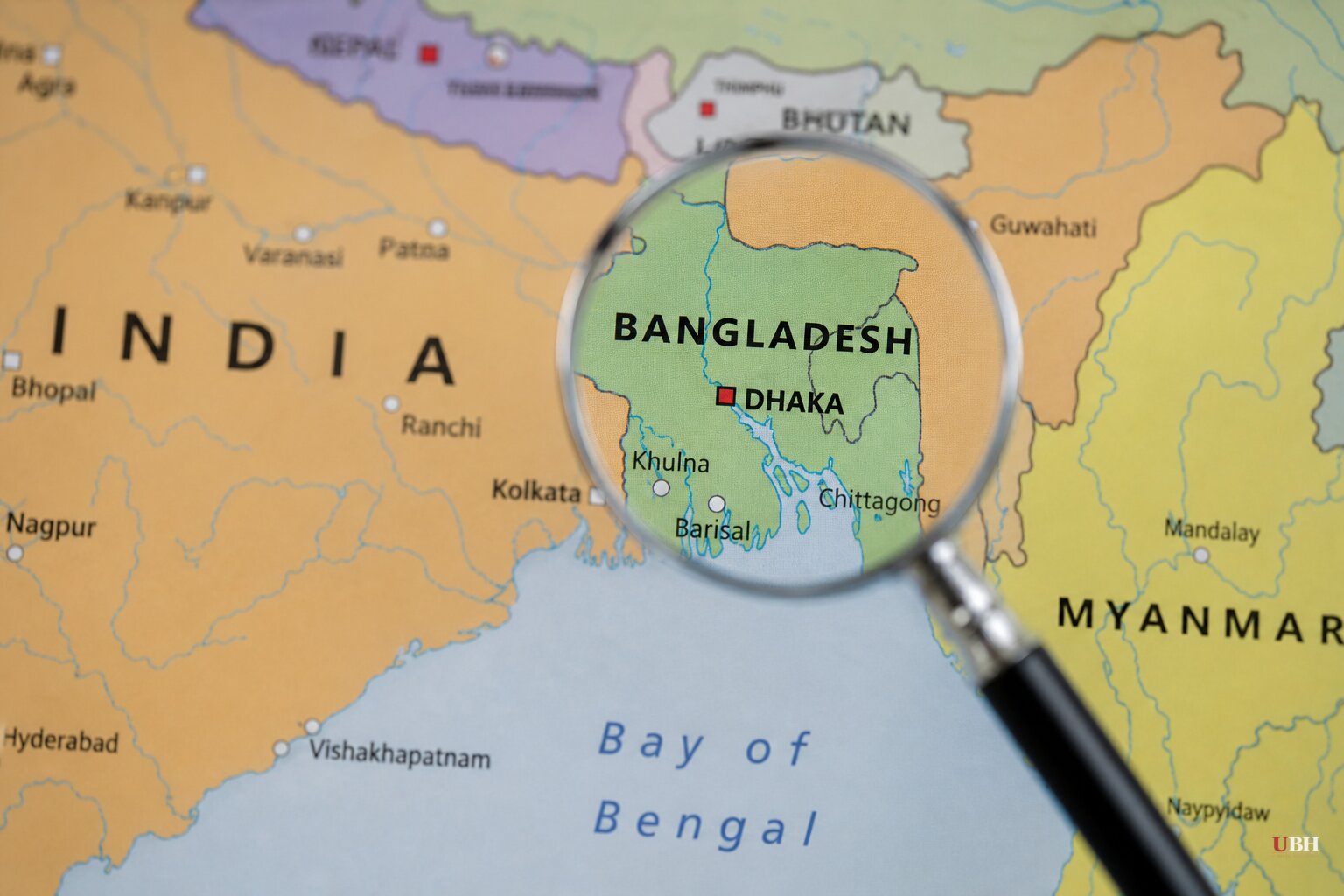
A special court in Dhaka sentenced former Bangladeshi Prime Minister Sheikh Hasina to 10 years in prison on Monday over two corruption cases, according to Breitbart. The charges centered on the alleged manipulation of land sales tied to the Purbachal New Town Project, a government housing development near the capital involving more than 25,000 residential plots.
The Anti-Corruption Commission, Bangladesh's national watchdog agency, accused Hasina and several relatives of abusing government power to secure plots in that project. The court handed her two five-year sentences on separate counts. Her nephew Radwan Mujib Siddiq and niece Azmina Siddiq each got seven years. Her niece Tulip Siddiq, a British Member of Parliament, received four years. Several others connected to the case got sentences ranging from six months to a year, per Breitbart's reporting. The accused have called the allegations politically motivated fabrications.
Hasina resigned and left for India in August 2024 after weeks of protests that killed more than 300 people, including at least 90 who died storming her residence the day she left, according to Breitbart. In November 2025, a Bangladeshi war crimes tribunal sentenced her to death in absentia for ordering the deaths of roughly 1,400 protesters during that crackdown. Hasina, speaking from exile, called that verdict a "farce" from a "kangaroo court."
Hashina led Bangladesh from 2009 until her ouster, making her the country's longest-serving prime minister. The protests that ended her rule began over a controversial quota system, originally created by her father Sheikh Mujibur Rahman, that reserved government jobs for descendants of independence-war "freedom fighters." Critics said the system had become a vehicle for patronage. Hasina has claimed the U.S. government helped orchestrate her downfall because she refused to hand over control of a strategic Bay of Bengal island, a claim that remains unverified and unsupported by any source reviewed here.
The extradition standoff continues
Bangladesh's interim government has been seeking Hasina's extradition from India since her ouster. India has said the request is "under examination in accordance with applicable legal procedures," according to both The Hindu and Rediff, but has not indicated when or whether that process will conclude. No timeline has been made public by either government.
The diplomatic freeze runs both directions. Bangladesh's current head of government, Prime Minister Tarique Rahman, has an open invitation from India for a bilateral visit and to attend the outreach session of the BRICS summit scheduled for September 12-13. State Minister for Foreign Affairs Humaiun Kobir said Saturday there is "no rush" for that trip, according to reporting carried by The Shillong Times, Rediff, The Hindu, and Daily Excelsior, all citing Bangladesh's state-run BSS news agency.
"If we reach an agreement based on our national interests tomorrow, we can go [to India] next week, or the week after. There is no rush here," Kobir said, adding that Dhaka would not compromise its national interests to accommodate any single country's timeline.
Relations soured further after Hasina held a virtual media appearance from New Delhi on August 5, in which she said she intends to return to Bangladesh in December to restore what she called democracy, despite facing a death sentence if she does. Bangladesh said the event, hosted on Indian soil, hurt its citizens' sentiments and complicated efforts to repair ties. India has said it neither organized nor endorsed her remarks.
What's actually unresolved
None of the sources here establish why India has not acted on the extradition request beyond the general "under examination" language both governments have used publicly. Whether India is slow-walking the process for its own strategic reasons, working through a genuinely complex legal review, or simply waiting out Bangladesh's political transition is not addressed by any source. India has hosted Hasina since 2024 and has diplomatic and security interests in Bangladesh that go well beyond one former leader's legal fate.
Separately, a U.S. federal judge's ruling this week striking down a State Department visa suspension covering 75 countries, including Bangladesh, is unrelated to the Hasina case but affects the same population of Bangladeshi nationals seeking to travel to the U.S. Judge Jeannette Vargas ruled the policy, which blocked immigrant visa processing over "public charge" concerns, violated the Immigration and Nationality Act's ban on nationality-based discrimination, according to the Epoch Times. That ruling has no bearing on Hasina's extradition status but underscores that Bangladesh's diplomatic entanglements currently run on multiple tracks at once, with the U.S., not just India.
The next concrete marker is the BRICS summit outreach session on September 12-13. Whether Tarique Rahman shows up, and whether Sheikh Hasina is back in an Indian courtroom, an Indian jail, or still simply "under examination" by that date, remains an open question none of the current reporting answers.
Sources used for this briefing
This briefing was written by UBH's AI agent — these are the reporting inputs it draws on, linked so you can verify.


