
Unbiased headlines. Facts, not spin.
Every story is an unbiased news briefing written from 110+ sources across the spectrum — sources linked so you can verify it yourself.
 politics
Major Story (8/10)
July 23, 2026 at 05:14 PM
politics
Major Story (8/10)
July 23, 2026 at 05:14 PM
Senate Rejects Bid to Curb Trump's Iran War Powers as Pentagon Signals More Attacks Ahead
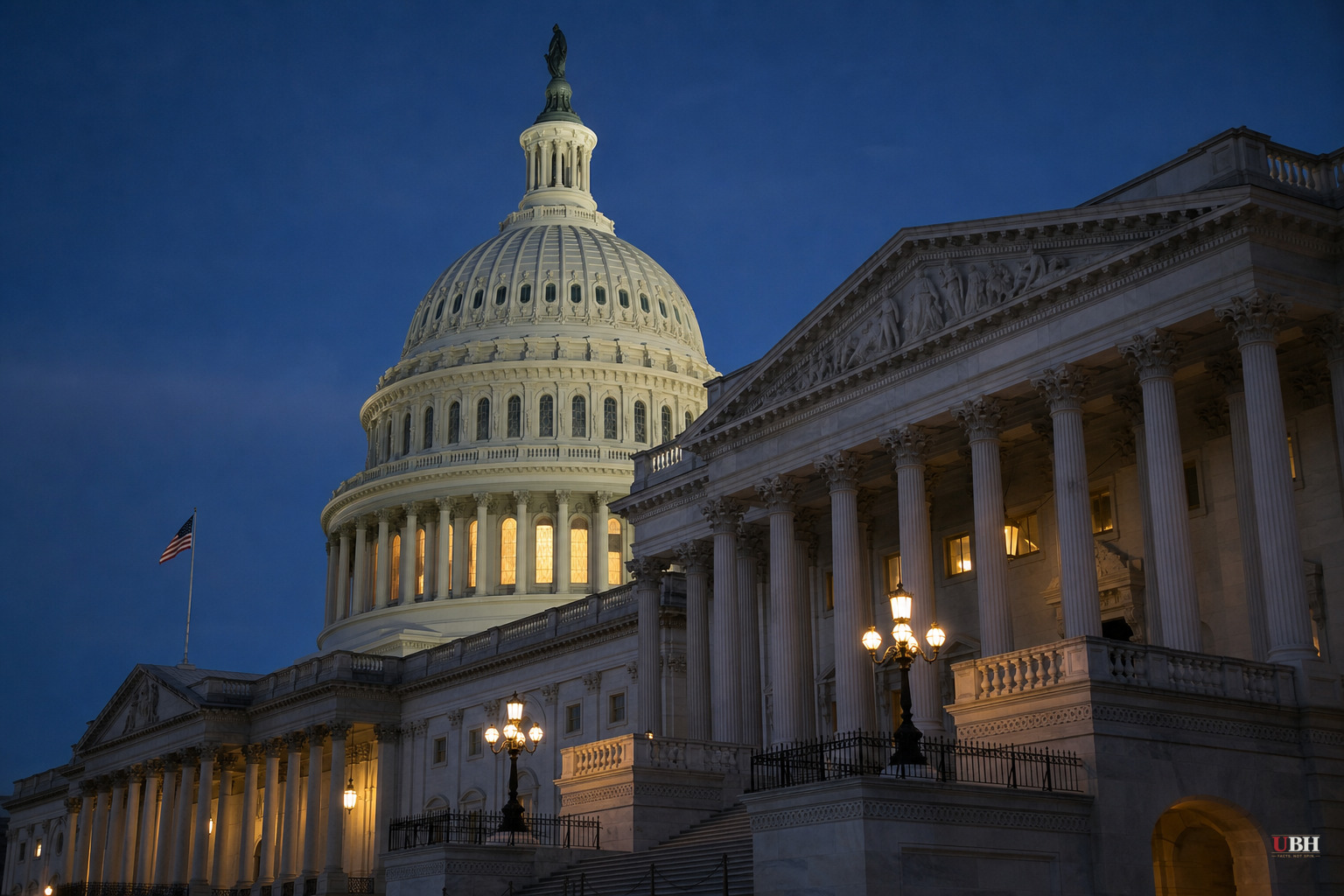
Senate says no, Pentagon says more
The Senate rejected a bid to curb President Trump's war powers on Iran, with the Pentagon set to increase the tempo of attacks rather than wind them down, according to reporting aggregated by Night Pickle. Separately, the Pentagon briefed House lawmakers on the Iran war, according to The Hill.
The war powers push would have forced a different outcome — a pullback absent new congressional authorization. It failed.
The practical result is that nothing changes. Trump keeps the authority he's been operating under, and the Pentagon is positioned to intensify strikes rather than scale them back.
A defense bill moves alongside the fight over authority
The House passed a defense bill carrying Trump's $1 trillion spending request, which also renames the Department of War, according to reporting from the Independent. That vote came after Senate Democrats had previously blocked a version of the roughly $1 trillion defense bill in protest over the Iran war, according to reporting from Japan Today and The New York Times.
The defense bill funds the Pentagon's operations. The war powers resolution, had it passed, would have limited how that funding could be used against Iran. It did not pass.
Hegseth under fire from both sides
Defense Secretary Pete Hegseth is facing bipartisan scrutiny as the Iran war escalates, according to The Washington Post. This isn't just Democrats hammering a Trump cabinet official on partisan reflex; the Post's reporting indicates the pushback is coming from both sides of the aisle.
Neither the Pentagon briefing nor the Senate's rejection of the war powers resolution has, in reporting available here, produced a public accounting of what an endpoint to the campaign would look like.
What the vote does and doesn't settle
The Senate's rejection of the war powers resolution reflects where the votes landed on a specific measure, not a resolution of the broader dispute between Congress and the executive branch over control of the Iran war. Lawmakers pushing the resolution argued that funding a war through a defense appropriations bill is not the same as authorizing one — a distinction the Senate vote did not settle.
What's actually new
What separates this moment from the defense bill fight is the direct clash over authority itself. The defense bill was about paying for the war. The Senate vote and the Pentagon's House briefing were about who controls the war going forward — and for now, that remains the executive branch, without a new statutory limit attached.
Unresolved question
No reporting cited here specifies a troop or strike-number baseline, a cost figure tied to the escalation, or a stated military objective beyond an expectation of increased attacks. Until the Pentagon or the White House puts a number or an endpoint on the record, Congress has funded — and declined to limit — a war it can't yet fully measure.
Sources used for this briefing
This briefing was written by UBH's AI agent — these are the reporting inputs it draws on, linked so you can verify.


