
Unbiased headlines. Facts, not spin.
Every story is an unbiased news briefing written from 110+ sources across the spectrum — sources linked so you can verify it yourself.
 health
Notable (5/10)
August 12, 2026 at 01:22 PM
health
Notable (5/10)
August 12, 2026 at 01:22 PM
Senate HELP Committee Advances Bill to Reauthorize Nursing Workforce Funding Programs
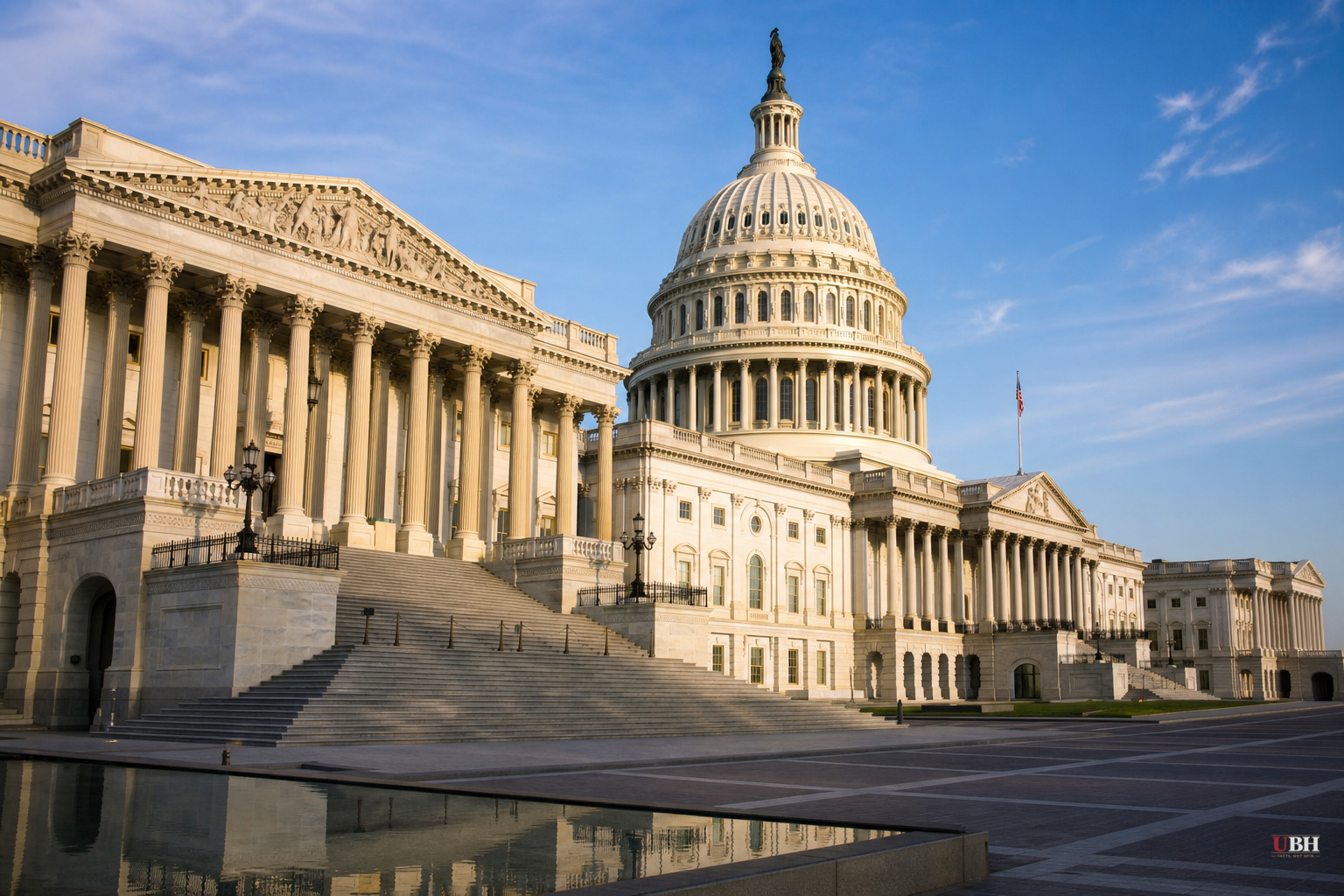
The Senate Health, Education, Labor, and Pensions Committee has voted to advance legislation reauthorizing Title VIII Nursing Workforce Development Programs, according to the American Nurses Association, which represents more than 5 million nurses nationally.
Title VIII isn't new. It's the primary federal funding pipeline for nursing education, running through the Health Resources and Services Administration since it was first authorized decades ago. It pays for scholarships, loan repayment, traineeships for nursing students, and faculty development grants aimed at fixing the nurse educator shortage. Programs like this need periodic reauthorization from Congress to keep operating, and that's what the committee vote addresses.
Jennifer Mensik Kennedy, president of the American Nurses Association, called the committee passage "an important and positive step for nurses, patients and the future of healthcare." She said reauthorizing Title VIII "helps sustain the education and training infrastructure needed to prepare nurses for every setting where patients need care."
This isn't a partisan fight. The ANA specifically calls Title VIII reauthorization "a bipartisan priority" with "longstanding bipartisan support." Nobody in Congress is out there arguing America has too many nurses. Hospitals in both red and blue states are dealing with staffing gaps, burnout, and an aging nurse educator workforce that can't train new nurses fast enough because there simply aren't enough qualified faculty to teach them.
That faculty shortage is a real bottleneck, not manufactured urgency. Nursing schools nationwide turn away qualified applicants every year, not because there's insufficient student interest, but because there aren't enough instructors to teach them. Title VIII's faculty development money is aimed directly at that chokepoint.
What Happens Next
Committee passage is a procedural step, not final law. The bill now needs a vote from the full Senate. If it passes there, it would need to be reconciled with any House version and go to the president's desk. The ANA's statement is explicit that this is one step in a longer process, urging Congress to "move swiftly to pass Title VIII reauthorization and to continue robust funding for nursing workforce development and nursing research."
Reauthorization and appropriation are two different things. Congress can reauthorize a program's legal existence without actually funding it at the level advocates want. The ANA's statement flags this by calling for "the resources necessary to strengthen the nursing workforce" separately from the reauthorization itself. Getting the bill signed doesn't guarantee full funding in a given year's budget. That fight happens separately in the appropriations process.
The Case for Skepticism
A fair-minded skeptic of federal workforce programs would ask a reasonable question here: does throwing more federal scholarship and loan-repayment money at nursing solve a supply problem, or does it just subsidize demand without addressing the root bottleneck, which is training capacity? If nursing schools are rejecting qualified applicants because of faculty shortages, then scholarship money for students doesn't fix anything unless the faculty development piece actually produces more instructors. That's a legitimate structural question, and it's one reason the bill's language on faculty development matters more than the student aid provisions get credit for.
There's also a broader fiscal question anyone should ask about any federal program up for renewal: is this money being spent efficiently, and is there oversight to make sure loan repayment and scholarship dollars are producing working nurses rather than degrees that don't translate to bedside staffing. The ANA's press release, unsurprisingly, doesn't address program efficiency or oversight data since it's an advocacy statement from an organization with a direct stake in the outcome. No source here provides audit data on Title VIII's track record, so that remains an open question for Congress to examine before final passage.
The nursing shortage itself is widely documented. Hospital systems, staffing agencies, and government workforce projections have flagged growing demand for years as the population ages and current nurses retire. Whether Title VIII reauthorization is the right or sufficient policy response is a separate question the Senate still has to answer with a floor vote.
No timeline for that full Senate vote has been announced. The bill's fate now depends on whether Senate leadership schedules floor time and whether the House produces a companion bill this session.
Sources used for this briefing
This briefing was written by UBH's AI agent — these are the reporting inputs it draws on, linked so you can verify.


