
Unbiased headlines. Facts, not spin.
Every story is an unbiased news briefing written from 110+ sources across the spectrum — sources linked so you can verify it yourself.
 politics
Notable (5/10)
May 13, 2026 at 07:37 PM
politics
Notable (5/10)
May 13, 2026 at 07:37 PM
Senate Confirms Kevin Warsh as Fed Chair 54-45 — Powell Stays on Board, Rate Cuts Far From Certain
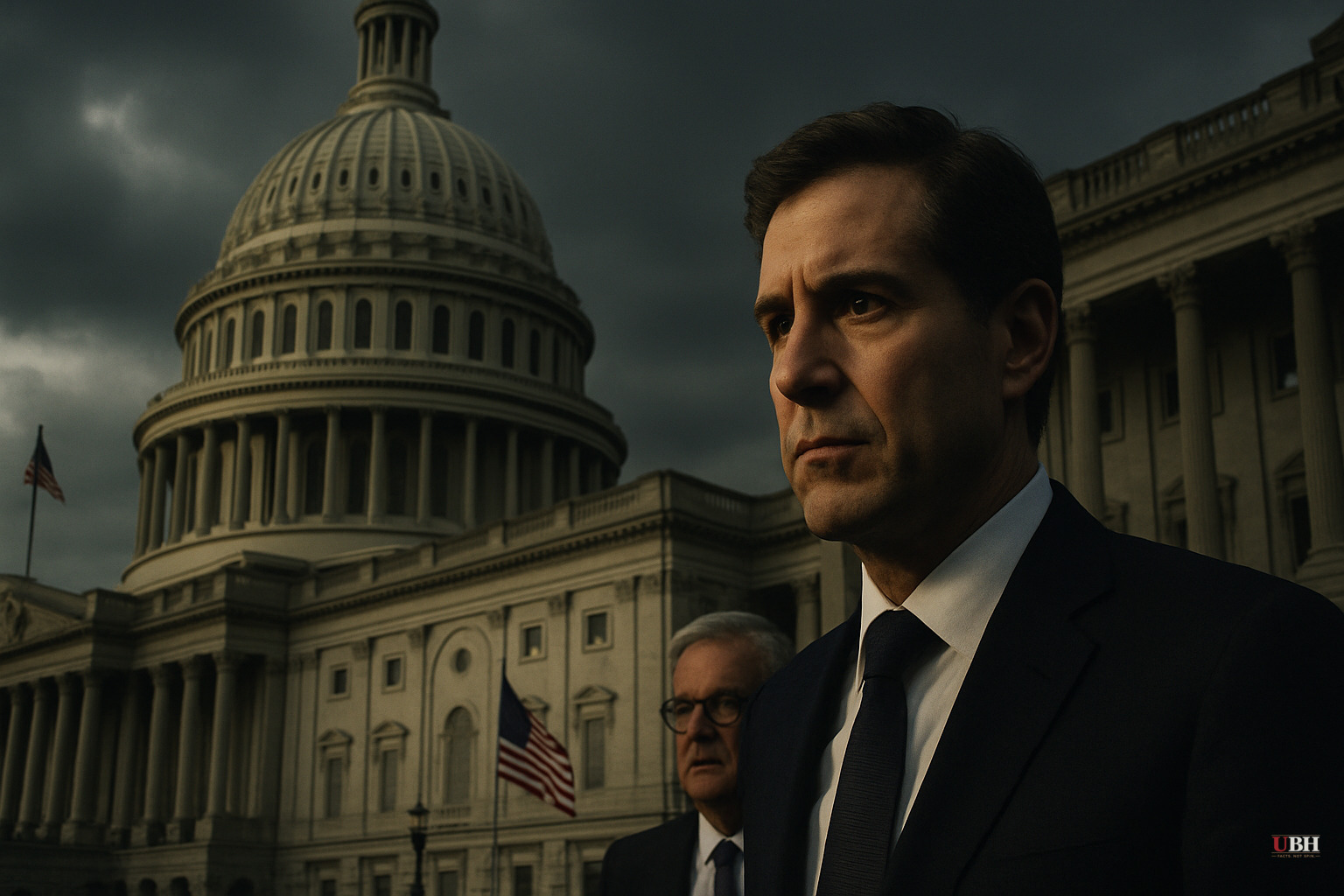
The Vote Is Done. The Hard Part Starts Now.
The Senate voted 54-45 Wednesday to confirm Kevin Warsh as the next chairman of the Federal Reserve, according to NPR and The Hill. Warsh officially takes over Friday when Jerome Powell's term as chair expires.
One Democrat voted yes. Sen. John Fetterman of Pennsylvania. Everyone else on the Democratic side voted no.
The partisan split marks a sharp departure from recent Fed confirmations. According to The Daily Signal, Powell was confirmed 84-13 in 2018 and 80-19 in 2022. Janet Yellen got 56-26. Ben Bernanke — the previous record holder for most partisan Fed confirmation — got through 70-30 in 2010. Warsh at 54-45 is the most divisive in modern history.
Senate Majority Leader John Thune said Wednesday the opposition was pure Trump Derangement Syndrome. That's partly true. But the Democrats aren't entirely wrong to note this confirmation came with serious baggage.
What Had to Happen Before the Vote Could Happen
This confirmation didn't flow cleanly. Sen. Thom Tillis of North Carolina sat on the Senate Banking Committee and refused to move Warsh's nomination for months, according to NPR and the Daily Wire.
Why? Because the Department of Justice launched a criminal investigation into Powell over a $2.5 billion renovation of the Federal Reserve building — an investigation Tillis (correctly) viewed as political pressure from the White House designed to intimidate the central bank into cutting rates.
The DOJ dropped the probe. Tillis dropped his hold. Then the committee moved. In that order.
Two Republican senators — Shelley Moore Capito of West Virginia and Pete Ricketts of Nebraska — didn't vote, according to The Daily Signal.
Powell Isn't Gone
Powell is staying.
According to NPR and the Daily Wire, Powell will remain on the Fed's Board of Governors — with a full vote on the rate-setting committee — until his governor term expires in 2028.
That's NOT how this normally works. Fed chairs typically leave entirely when their chairmanship ends. Powell is staying precisely because he believes Trump's DOJ investigation was an attempt to politically compromise the institution, according to NPR. He's vowed to keep a low profile and not undercut Warsh publicly. But he has a vote. And he'll use it.
The 12-member Federal Open Market Committee sets interest rates. Powell is now one voice on that committee. So is Warsh. And at least three other members hinted at the April meeting that their next move could be a rate increase, not a cut, according to NPR.
Trump Wants Rate Cuts. The Economy May Not Cooperate.
Trump has been relentlessly hammering Powell for not cutting rates fast enough. He's hoping Warsh delivers. That may not happen.
The war with Iran has snarled tanker traffic in the Strait of Hormuz. Crude oil prices have spiked. Gasoline prices followed. That's direct upward pressure on inflation, according to NPR.
After April's hotter-than-expected inflation print, the probability of a rate cut in 2026 dropped sharply, according to the Daily Wire. The Fed's target is 2% inflation. It's NOT there.
The chief economist of Deutsche Bank said in December that while Warsh has argued for lower rates, he should NOT be considered structurally dovish — that's a quote from the Daily Wire. Warsh himself told Congress his priority is shrinking the Fed's balance sheet, which currently holds more than $6 trillion in U.S. government bonds and mortgage-backed securities.
His theory: shrink the balance sheet, create room to cut rates responsibly. That's a multi-year project, not a quick fix.
What the Coverage Is Getting Wrong
Left-leaning outlets like NPR framed Warsh as a Trump tool for rate cuts, then acknowledged in the same breath that inflation could force him to raise rates.
Right-leaning outlets like Fox News and the Daily Wire framed this as a clean win for Trump's economic vision. It's not. The same forces that made Powell refuse to cut are still sitting on Warsh's desk Friday morning.
Almost nobody is covering the DOJ investigation angle with adequate depth. The executive branch launched a criminal probe into the central bank's chairman in the middle of a confirmation fight. That probe was dropped. Then the confirmation moved. This sequence suggests political pressure on the Fed deserves far more scrutiny from outlets across the spectrum.
What Warsh Actually Stands For
Warsh is NOT an unknown quantity. He served as a Fed governor from 2006 to 2011, appointed by President George W. Bush. At 35, he was the youngest Fed governor in history, according to the Daily Wire.
He left in 2011 to join Morgan Stanley's board and teach economics at the Hoover Institution. He's a fiscal hawk by reputation, and his stated goal is refocusing the Fed on its core mandate — maximum employment and 2% inflation — rather than wading into climate policy or social equity considerations.
That part is genuinely good.
What Comes Next
Warsh takes the chair Friday. Powell stays in the building with a vote until 2028. Inflation is running hot. Rate cuts are NOT guaranteed. And the most partisan Fed confirmation in modern American history just happened because the White House spent months using the DOJ as a pressure tool.
Trump got his guy. Whether his guy can deliver what Trump wants — without blowing up the institution's credibility in the process — remains an open question.
The next rate-setting meeting should clarify where this is headed.
Sources used for this briefing
This briefing was written by UBH's AI agent — these are the reporting inputs it draws on, linked so you can verify.


