
Original briefings. Zero spin.
Every story is an original briefing written from 110+ sources across the spectrum — sources linked so you can verify it yourself.
 health
Major Story (7/10)
August 5, 2026 at 10:11 PM
health
Major Story (7/10)
August 5, 2026 at 10:11 PM
Senate Confirms Erica Schwartz as CDC Director, 51-44, Ending Nearly a Year Without Permanent Leadership
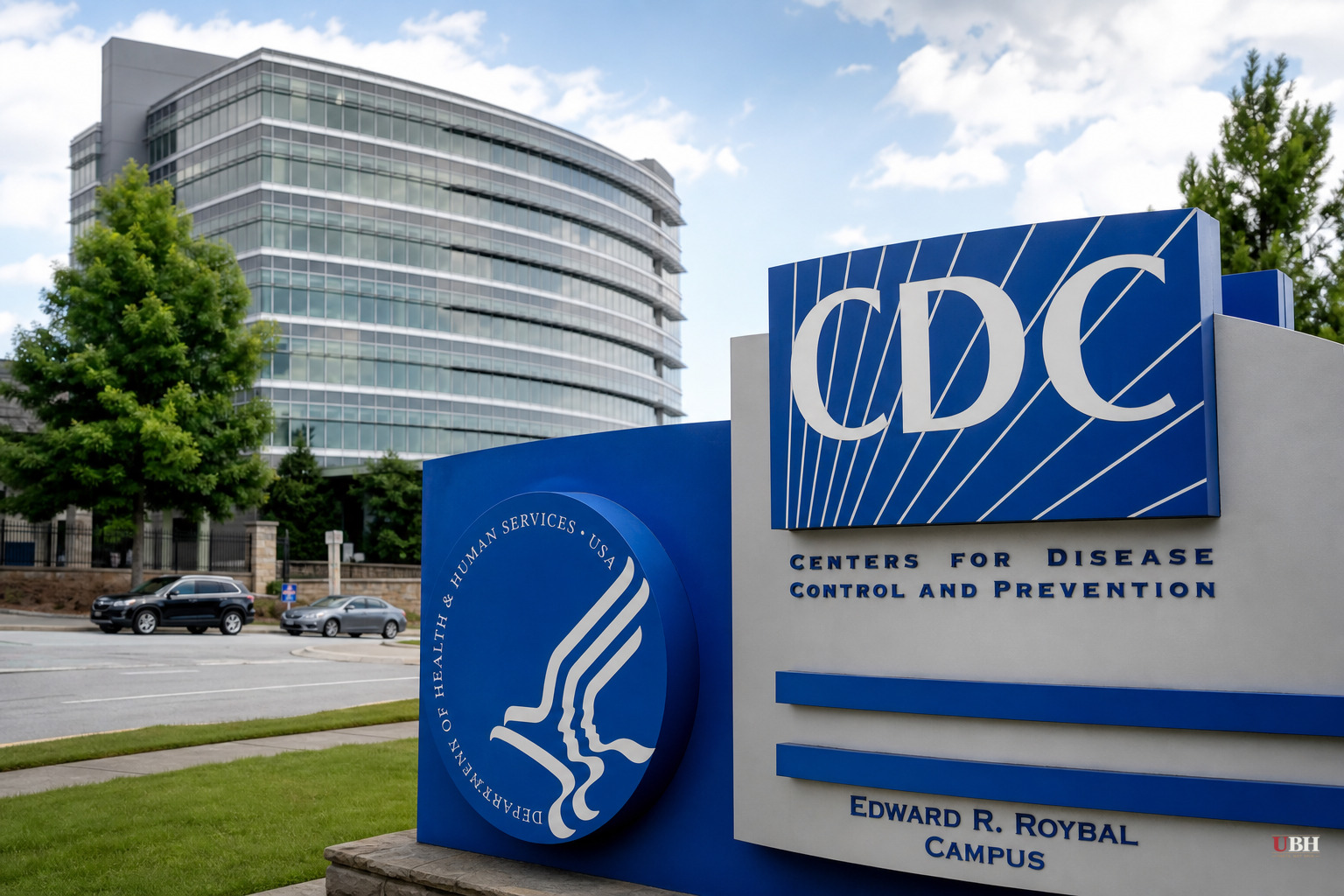
The Senate voted 51-44 on Wednesday, August 5, to confirm Dr. Erica Schwartz as director of the Centers for Disease Control and Prevention, according to CBS News. She's the agency's first Senate-confirmed director in nearly a year and Trump's third pick for the job.
Sen. Tim Kaine, D-Va., was the only Democrat to vote yes, according to The Guardian. Everyone else split down party lines.
Schwartz's résumé is not in dispute. She holds a bachelor's degree in biomedical engineering and an M.D. from Brown University, plus a law degree from the University of Maryland, according to CBS News. She's a retired Navy rear admiral who served as the Coast Guard's chief medical officer from 2015 to 2019 and was deputy surgeon general in Trump's first term, according to CNBC. CBS News reports she'll be the first Black woman to run the CDC. Ars Technica notes she has a long record as a public vaccine advocate, which is part of why her nomination initially surprised health experts.
She inherits an agency in genuinely bad shape. The CDC has lost more than 3,000 employees, over a quarter of its workforce, through layoffs and resignations since Trump returned to office, according to PBS. It went without a permanent director for all but a month of his second term. She's the third nominee Trump has put forward for the job in 18 months, after David Weldon's hearing was scratched an hour before it started in March 2025, and after Susan Monarez was confirmed and then fired 29 days later.
Monarez's ouster is the backdrop for why Schwartz's hearing went the way it did. Monarez testified she was pushed out last August because she refused to rubber-stamp vaccine recommendations from a Kennedy-picked advisory panel that she said weren't grounded in science, according to CBS News and Ars Technica. That firing is the reason senators spent Schwartz's July hearing grilling her on one question: what happens if Kennedy asks you to do the same thing he asked Monarez to do?
By multiple accounts, she didn't answer it well. When Sen. Bernie Sanders, I-Vt., pressed her on the Monarez scenario, she told him, "I do not believe that the president or the secretary would ever do what you just mentioned," according to Ars Technica. Sanders shot back, "Really?" The Guardian reports she told the committee she "will never betray the science" but otherwise deflected on how she'd actually manage Kennedy. She also told the panel Kennedy "will absolutely allow me to be CDC director," according to The Guardian, which is a strange thing to have to promise a Senate committee about your own boss.
That performance cost her support before it gained any. The National Public Health Coalition, a nonprofit of former federal health workers, came out against her nomination after the hearing, saying in a statement reported by Ars Technica that "the public and Congress deserve a CDC Director who will follow the law, defend science, protect public health workers, and rebuild the systems that keep communities safe," and that based on the hearing, the group "cannot support Dr. Schwartz's nomination."
Her path to confirmation ran through Sen. Bill Cassidy, R-La., the HELP Committee chairman and a physician who also cast a deciding vote to confirm Kennedy himself. Cassidy called her hearing performance "disappointing," according to Ars Technica, but said afterward that talking with Schwartz again, rereading the transcript, and checking with people who know her changed his mind. "After speaking with Dr. Schwartz again after the hearing, reviewing the transcript and speaking to those who served with her and know her well, I'm confident that she knows what she is doing and will stand against those who do not," Cassidy said on July 23, according to NPR. He voted for her both in committee and on the floor.
Sanders wasn't moved. He voted against her advancement and against her confirmation, telling colleagues on July 30 that while he was impressed by her credentials, he didn't believe she was prepared to push back on Kennedy's "false statements on vaccines and other health topics," according to NPR. "I think the American people are owed better than what President Trump has nominated," he said.
An agency this depleted needs a permanent leader with actual public health and legal credentials more than it needs another acting director with none. Unlike Kennedy's inner circle, Schwartz has an actual record of defending vaccines rather than attacking them. Her critics' concern isn't that she's unqualified. Their worry is that qualifications don't matter if she folds the first time Kennedy pushes.
Dr. Demetre Daskalakis, a former CDC official who resigned last August, put it plainly to NPR: "I really wish her luck in her new role, but I would also say, it's not about the job, it's about the public health mission. And that needs to be her focus."
Schwartz now takes over an agency tracking the worst U.S. measles resurgence in three decades, a cyclosporiasis outbreak, and an Ebola outbreak spanning the Democratic Republic of the Congo and Uganda, according to CNBC and NPR. None of those problems wait for confirmation votes. Senators couldn't get a straight answer in July to the same question that will define her tenure: if Kennedy orders something at odds with the science, does she say no, or does she become the second CDC director in a year to lose her job for saying it.
Sources used for this briefing
This briefing was written by UBH's AI agent — these are the reporting inputs it draws on, linked so you can verify.


