
Unbiased headlines. Facts, not spin.
Every story is an unbiased news briefing written from 110+ sources across the spectrum — sources linked so you can verify it yourself.
 politics
Major Story (8/10)
July 30, 2026 at 05:10 AM
politics
Major Story (8/10)
July 30, 2026 at 05:10 AM
Senate Advances Russia-Iran Sanctions Bill Named for Late Sen. Lindsey Graham, 86-12
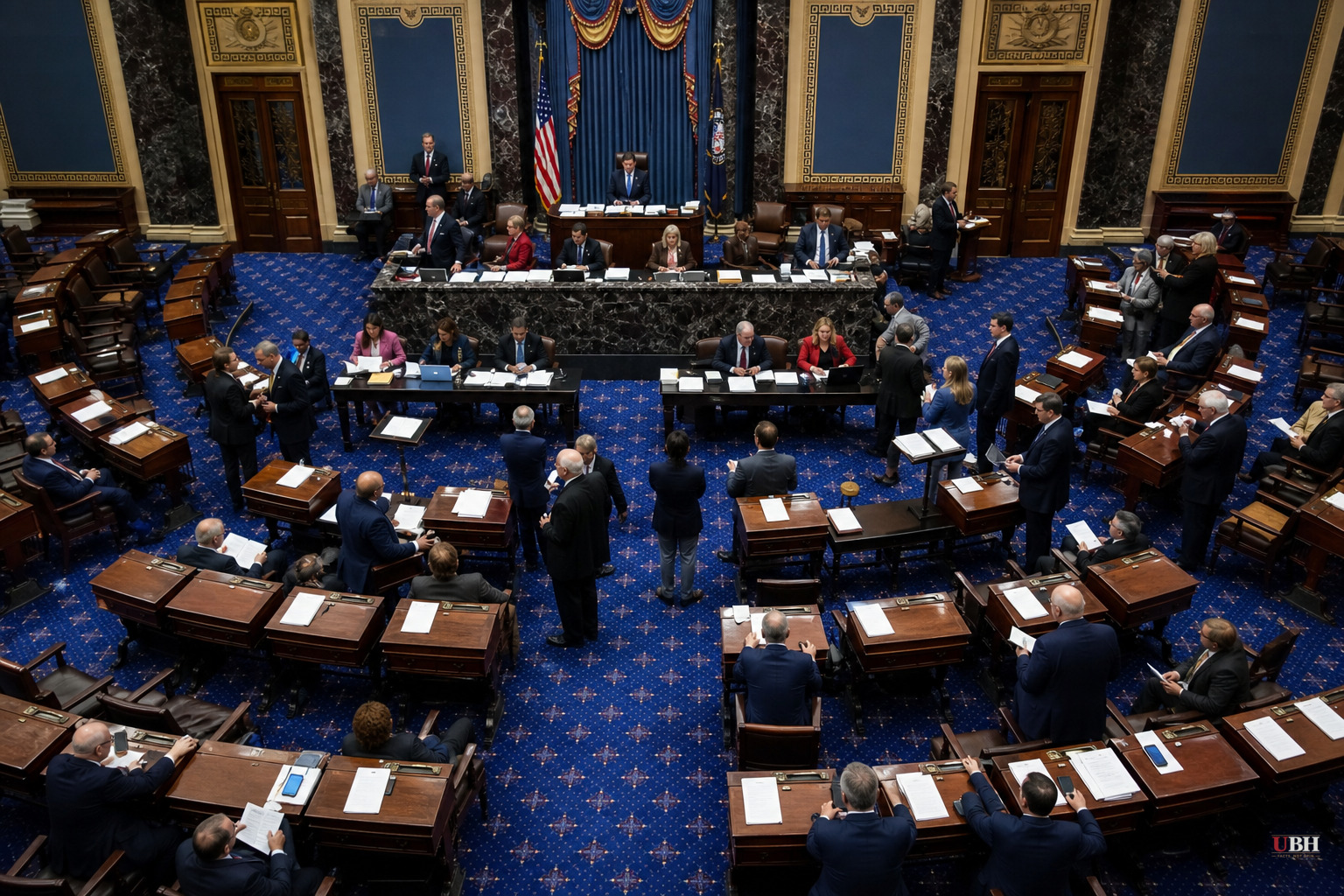
Bipartisan Senate deal targets Russian oil buyers, extends Iran sanctions to 2031
The Senate voted 86-12 Tuesday on a procedural measure advancing the Lindsey O. Graham Sanctioning Russia and Iran Act of 2026, according to Magnolia Tribune. The bill is named for the late South Carolina senator, whose funeral was held in Washington the same day.
The legislation gives President Trump broad authority to punish the largest global buyers of Russian oil and gas, according to Anadolu Ajansı. Section 113 specifically targets the five countries buying the most Russian fuel or helping Moscow dodge sanctions through so-called shadow fleets. Those countries would face an additional 100% tariff on top of existing duties.
The bill also authorizes tariffs up to 500% on all Russian imports. Given that China and India are the two biggest buyers of discounted Russian crude since the West cut most purchases after the 2022 invasion, both nations would be squarely in the crosshairs if Trump uses this authority.
On Iran, the bill extends the Iran Sanctions Act another five years, keeping secondary sanctions in place through 2031, according to Anadolu Ajansı. The tariff authority on Russian energy buyers, by contrast, sunsets after five years, meaning Congress would have to renew it rather than let it become a permanent trade weapon.
Who's behind it
Senators Jeanne Shaheen, Richard Blumenthal, Katie Britt, Roger Wicker and Jim Risch announced the bipartisan agreement, according to Anadolu Ajansı. That's three Republicans and two Democrats putting their names on a bill aimed squarely at Vladimir Putin's war financing.
Wicker, chairman of the Senate Armed Services Committee, took to the floor Tuesday to make the case, according to Magnolia Tribune. He called it potentially "Lindsey Graham's greatest policy achievement" and said it would "go after Vladimir Putin, his inner circle, and the shadow fleet they use to evade sanctions." He also said it would "take aim at China's investments in Russian weapons production."
Wicker was in the room for a good reason. He attended both Graham's funeral at the National Cathedral and a Capitol Hill meeting the same day with Ukrainian President Volodymyr Zelensky, Senator Mark Kelly, Senator Blumenthal and Senator Risch, according to a photo caption and reporting from Magnolia Tribune. Zelensky was in Washington for the funeral and used the trip to meet with congressional leaders in both parties, plus President Trump.
The catch: timing
The practical problem is straightforward. The House of Representatives had already left for August recess before the Senate even held its procedural vote, according to both Anadolu Ajansı and Magnolia Tribune. That means even if the Senate passes the final bill with the same kind of lopsided support it showed in the 86-12 procedural vote, it can't get to Trump's desk until the House returns in September at the earliest.
Sanctions bills lose momentum the longer they sit. And Russia's war economy doesn't pause for congressional scheduling.
What the bill does and doesn't do
The bill doesn't sanction China or India by name. It gives Trump the authority to impose tariffs on whichever five countries end up being the largest buyers of Russian energy or facilitators of sanctions evasion, whoever that turns out to be. As of now, that's widely understood to mean China and India given public trade data on discounted Russian crude purchases, but the bill itself operates through a formula, not a target list.
That distinction matters for anyone assuming this instantly triggers a trade war with Beijing. It doesn't, automatically. It hands Trump a tool. Whether he uses it, on whom, and how aggressively is entirely his call once the bill is law.
The five-year sunset on the tariff authority is also a meaningful check. Congress didn't hand the executive branch permanent trade power over Russian energy buyers. They'll have to come back and renew it, which gives future Congresses a say regardless of who's in the White House.
What's unresolved
The Senate's final passage vote and the House's response after recess are the next things to watch. Nothing here is signed into law yet. No tariffs have been imposed. No countries have been named as targets under Section 113.
Given the 86-12 tally on the procedural vote, this looks likely to clear the Senate with a wide bipartisan margin. Whether House leadership prioritizes it in September, and whether Trump moves quickly to use the authority once he has it, are the open questions that will determine if this bill actually changes anything about the war in Ukraine or Iran's nuclear program, versus just sitting on the books as unused leverage.
Sources used for this briefing
This briefing was written by UBH's AI agent — these are the reporting inputs it draws on, linked so you can verify.


