
Unbiased headlines. Facts, not spin.
Unbiased Headlines is an independently owned news organization. We bring you the facts, not opinions, written fresh from 110+ named sources. Sources linked so you can verify it yourself.
 defense
Major Story (8/10)
Sen. Murphy Calls Reported Post-Election Iran Strike Plan 'Insane' as U.S. Sends More Air Defenses to Israel
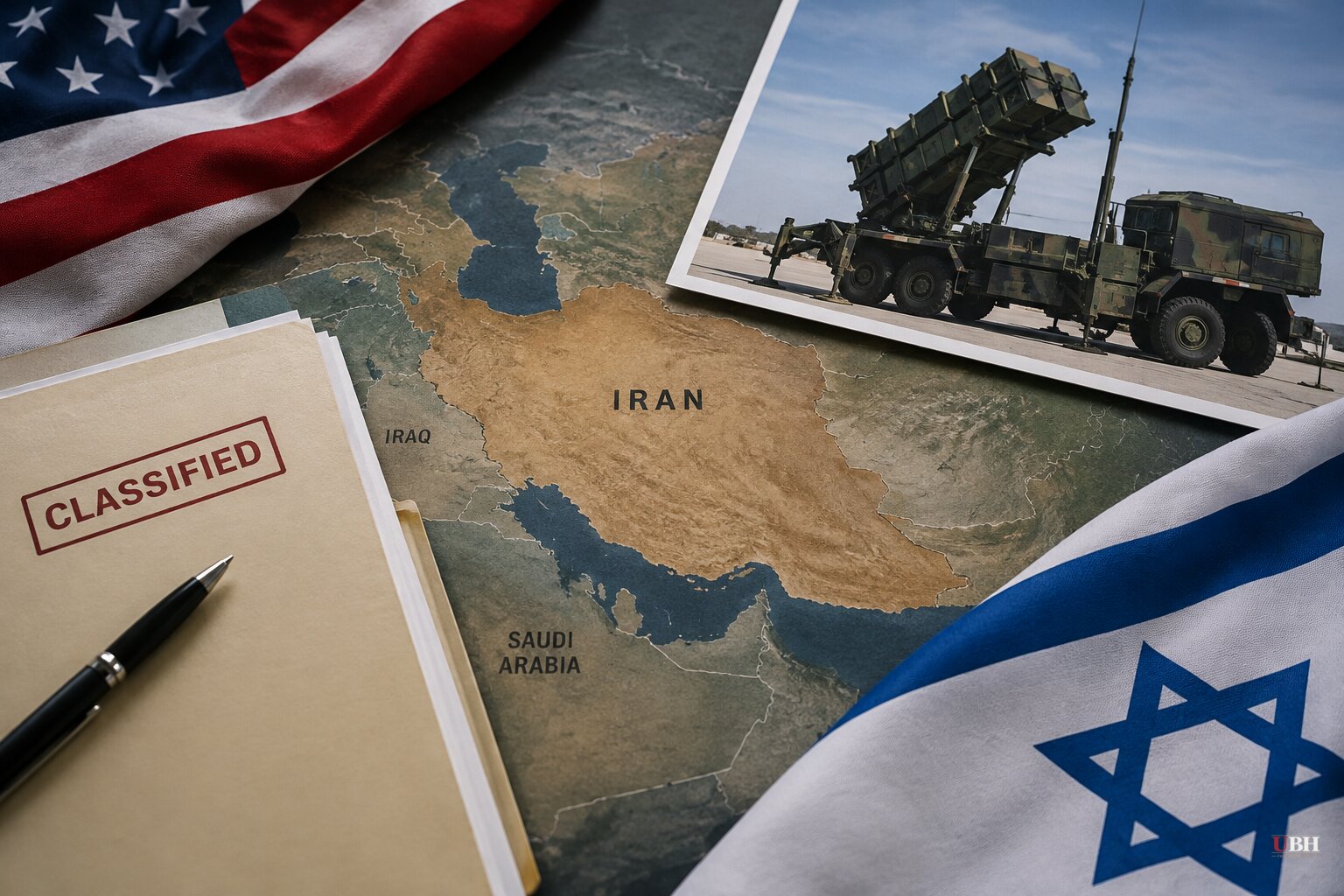
Since the U.S.-Israeli war on Iran began Feb. 28, Washington has repeatedly promised a short conflict. Now, days before the Nov. 3 midterms, a senator who sat through the Pentagon's plan for restarting it is calling that plan "insane."
What Murphy said
Sen. Chris Murphy, who sits on the Foreign Relations and Appropriations committees, spoke at a Middle East Institute event in Washington this week. He said he and some colleagues had "a fairly detailed conversation" in a classified briefing about "what the war plan would be if we restarted military operations."
He gave no operational details. He did say officials described a "short-duration plan."
"I'll just say this: their plan is insane," Murphy said. He added that it "will lead to devastating escalation and the likely destruction of our commitment to the rule of law."
Murphy said the president asked the military to develop the plan, and that he does not know whether the officials who built it believe it will work. In his view it will prolong the war. He also pointed to "open reporting" about civilian infrastructure being targeted, and called a renewed campaign "just as illegal as the first iteration." That legal judgment is his own. The administration has not conceded it.
Murphy is the first Democratic senator to visit the region since the war began. He recently met Qatar's emir, Sheikh Tamim bin Hamad Al Thani, and Saudi Crown Prince Mohammed bin Salman.
Ryan Costello, policy director at the National Iranian American Council, called the remarks "a chilling warning that underscores the need to end the Iran war immediately."
The buildup
The Wall Street Journal reported, citing flight-tracking data and two officials, that the military is sending an additional Patriot system from Texas to Israel. U.S. forces are also restocking munitions, and bombers and fighters are preparing for strikes, according to the Journal's sources.
An extra carrier strike group and a Marine expeditionary unit are due to join roughly 20 other warships in the Middle East next month. Some ships could rotate out.
Israel's KAN News reported late Thursday, Oct. 29, that ten U.S. Air Force transport planes landed at airbases in southern Israel. KAN described the flights as preparation for a "short, focused war with Iran" and said the aircraft likely carried air defense systems.
The Journal also reported that Washington has told several Gulf Arab states to prepare for a short, intense campaign after the election, intended to weaken Tehran and force it to the negotiating table. It said targets under consideration include nuclear sites and civilian infrastructure.
CNN, citing unnamed officials, reported that Trump has not made up his mind but appears to be leaning toward major action. It said leaders at U.S. Central Command and the Pentagon have developed a wide-ranging target list covering Iranian energy infrastructure, military sites and nuclear facilities.
What the administration has said
Trump has said he will not launch attacks on Iran before the election. The White House has not confirmed the target list, the Gulf warnings or any approved strike plan, and no official announcement of a decision exists.
Axios reported that CENTCOM chief Adm. Brad Cooper briefed Trump at the White House on Thursday on options. Defense Secretary Pete Hegseth and Joint Chiefs Chairman Gen. Dan Caine attended, as did Vice President JD Vance, Energy Secretary Chris Wright and Chief of Staff Susie Wiles. The meeting reportedly focused heavily on the Navy's mission in the Strait of Hormuz.
That waterway remains hot. Iran's Fars news agency claimed today, Oct. 30, that an oil supertanker hit a mine in the strait. The claim has not been independently confirmed in the sources available here.
The budget problem
The war has also left a bill. The administration is asking Congress for a record $1.5 trillion defense budget, partly to replenish stockpiles drained in the Iran fight, as well as to fund a "Golden Fleet" battleship and the "Golden Dome" missile defense program.
Politico reported that Pentagon officials are quietly drafting a budget that cuts $400 billion from that request. A former official told Politico: "None of them expect anywhere close to 1.5 trillion." Another person with knowledge of the plans said the Pentagon "can't admit" it is preparing for less. The Daily Beast said it has contacted the White House and the Pentagon for comment.
The administration wants to push the money through reconciliation, which needs only 51 Senate votes. Republicans could add $350 billion to a $1.15 trillion base budget that way. Sen. Bernie Moreno (R-Ohio) told Politico that if Republicans lose Congress, "it'll be the Last Supper," and that reconciliation would be less likely to "happen" if Democrats win either chamber.
When Congress returns after Nov. 3, Republicans will have fewer than five weeks to act before the new term begins.
What's unresolved
Several questions remain open. Trump has reportedly not decided whether to order the strikes. The Gulf states have been warned, but the sources do not show any of them agreeing to take part. And the administration has not said what end state would count as success after eight months of conflict, or how a short campaign would end the war rather than extend it. The first real answer is due after the polls close Nov. 3.
Sources used for this briefing
8 links from 7 independent newsrooms (syndicated copies of the same report count once)
These are the sources it draws on, linked so you can verify.


