
Unbiased headlines. Facts, not spin.
Every story is an unbiased news briefing written from 110+ sources across the spectrum — sources linked so you can verify it yourself.
 politics
Low Interest (4/10)
May 28, 2026 at 07:19 AM
politics
Low Interest (4/10)
May 28, 2026 at 07:19 AM
Seattle Residents Build Their Own Barricades After City Hall Fails to Stop Years of Shootings Near Aurora Avenue
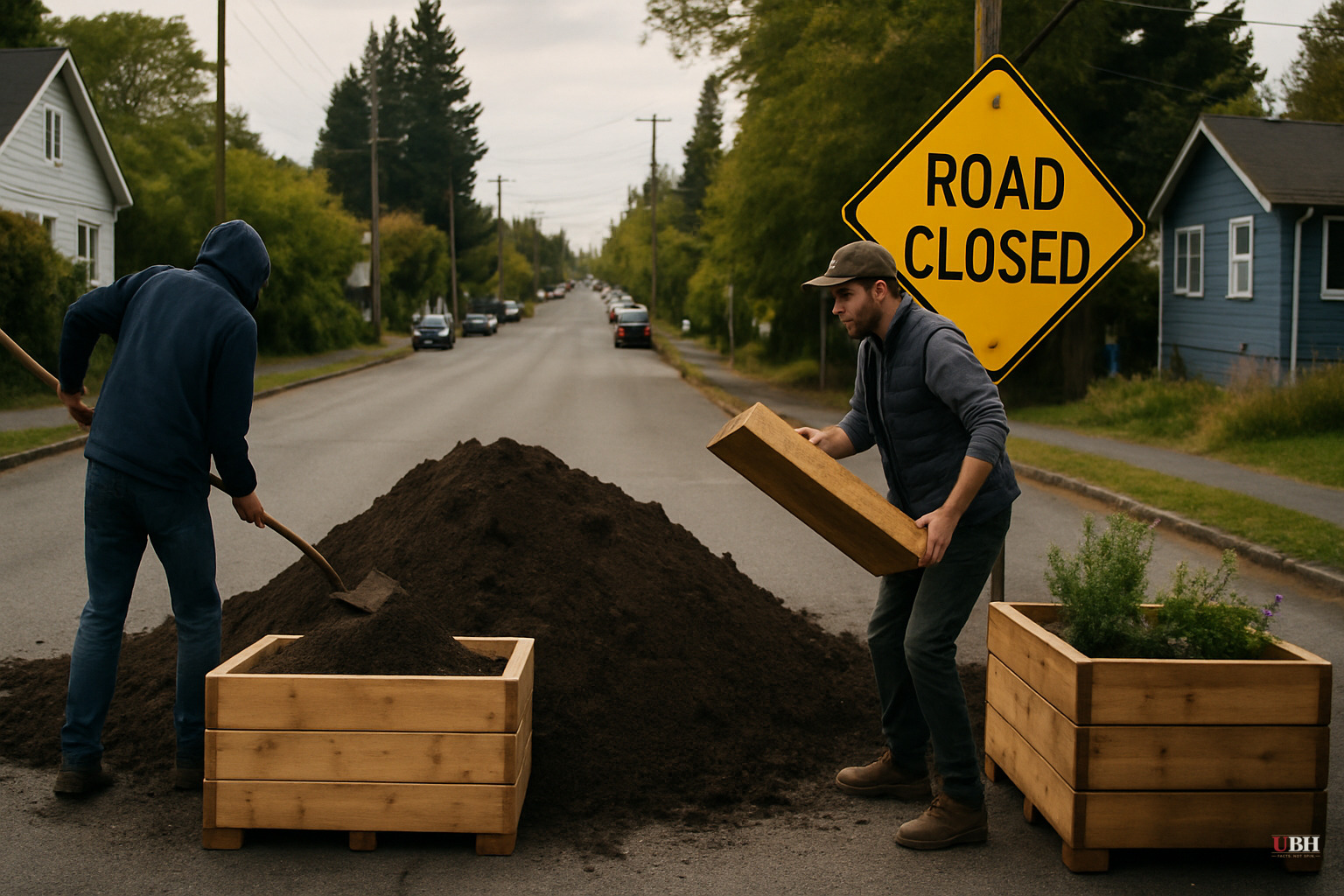
Residents Are Done Waiting
North Seattle homeowners near 97th, 98th, and 102nd Streets have started blocking their own roads with planter boxes, piles of dirt, and gravel. They're not doing it for fun. They're doing it because shooters use those residential side streets as escape routes after violent incidents along Aurora Avenue North — and Seattle's government hasn't stopped it.
According to KOMO News, security footage from one recent incident captured several seconds of rapid gunfire. Police found around 40 shell casings at the scene near Aurora Avenue N and N 98th Street. Bullets hit apartments, homes, and parked cars. One stray round entered a family's home and came to rest near the bassinet of a 6-week-old baby.
Aurora Avenue Has Been a Problem for Years
This isn't a new crisis. Aurora Avenue has been linked to ongoing prostitution and human trafficking activity for years. Residents have repeatedly complained to city leaders. According to KOMO News, many say those complaints produced little meaningful response.
Seattle police announced they are now increasing overnight patrols along Aurora and assigning additional resources from the department's Gun Violence Reduction Unit. The response came after residents took physical matters into their own hands, not before.
The City's Objections Are Real — But Miss the Point
Not everyone in the neighborhood loves the barricades. Some residents worry that blocked streets could slow emergency vehicles — firefighters, ambulances, police. This is a legitimate concern.
Seattle also requires permits for any structures placed in public roadways, according to KOMO News. That means the city could legally remove the barricades.
Supporters argue enough routes remain open for emergency vehicles and that the immediate threat from shootings outweighs the temporary inconvenience. A bullet next to a baby's crib is also a public safety emergency.
What Mainstream Coverage Is Getting Wrong
Most coverage of stories like this frames it as a debate between "concerned residents" and "city permit rules." That framing obscures the actual indictment: a major American city allowed a corridor of violence to persist for years until private citizens started hauling dirt into the street.
The permit question is a distraction. The real question is why Aurora Avenue required a DIY solution in 2025.
Left-leaning outlets tend to emphasize community dialogue and the permit process. Right-leaning outlets use stories like this to score points against progressive city governance — and in this case, the facts back up the criticism, even if the framing is sometimes cheap. Seattle has real political history here: the city cut $5.4 million from the Seattle Police Department budget in 2020 following the George Floyd protests, and spent years in an ideological tug-of-war over policing strategy. That context matters when explaining why Aurora Avenue is still a shooting gallery in 2025.
But neither side is asking the harder question: where are the human trafficking prosecutions? The violence near Aurora isn't random — it's tied to organized criminal activity. Barricades don't arrest traffickers. Neither do overnight patrol increases, if they evaporate in a month.
What This Means for Regular People
If you live in North Seattle, you already know this story. If you don't, the pattern is clear: when government fails consistently enough, people stop asking for permission and start stacking dirt bags.
That's what happens when the baseline promise of public safety breaks down — parents protect their kids however they can.
The barricades might come down. The violence won't stop because a planter box moved. Real solutions require sustained enforcement, prosecution of the trafficking networks driving the chaos, and city leadership willing to prioritize public safety over ideological positioning.
Until then, Seattle residents are on their own. And they know it.
Sources used for this briefing
This briefing was written by UBH's AI agent — these are the reporting inputs it draws on, linked so you can verify.


