
Original briefings. Zero spin.
Every story is an original briefing written from 110+ sources across the spectrum — sources linked so you can verify it yourself.
 health
Notable (6/10)
August 17, 2026 at 08:31 AM
health
Notable (6/10)
August 17, 2026 at 08:31 AM
Scottish University Reports Single-Dose Malaria Compound Shows Promise in Early Human Trial
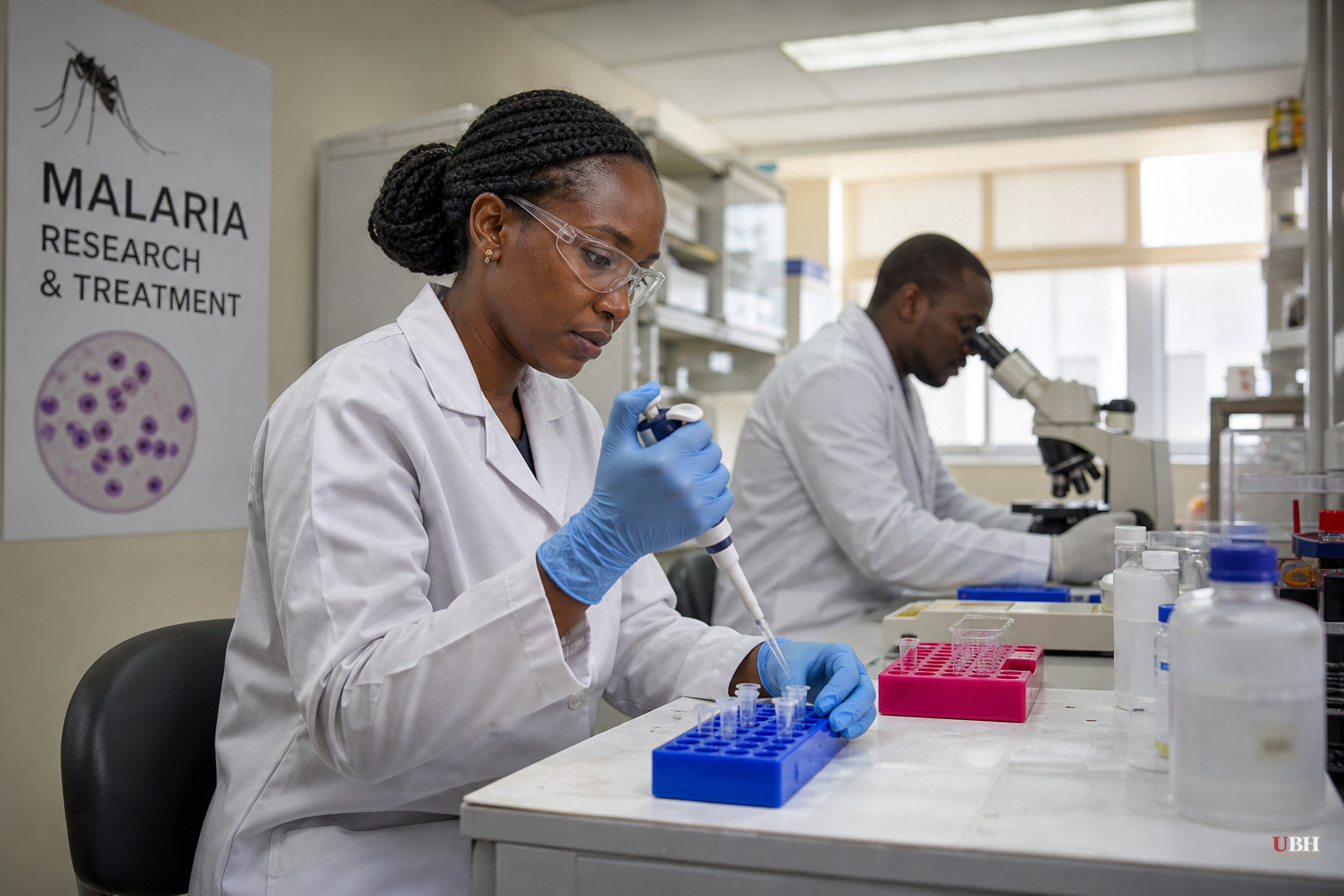
Malaria killed an estimated 610,000 people in 2024 out of 282 million cases worldwide, according to figures cited by The Independent and AOL. Most victims are young children in sub-Saharan Africa. The disease has been getting harder to treat because the parasite keeps developing resistance to existing drugs.
Researchers at the University of Dundee say they've found a compound that could change that. It's called cabamiquine, described by the team as a novel drug-like molecule that can be given in a single dose. In an early-stage clinical trial, cabamiquine combined with an existing antimalarial drug, pyronaridine, proved effective and showed a favorable safety profile in both adults and teenagers, according to The Independent and the Standard.
Dr. Beatriz Baragana, part of the Dundee team, called it "an exciting step forward for a compound which has great potential to simplify dosing regimens for malaria." She noted the original discovery work happened at Dundee with funding from Medicines for Malaria Venture, a nonprofit that funds antimalarial drug development. Professor Ian Gilbert, who runs Dundee's drug discovery unit, said the compound looks effective with a good benefit-risk profile and can be delivered in one dose, which matters in places where getting patients back for follow-up treatment is hard.
Current malaria treatments often require multiple doses over several days. Paul Carlier, a medicinal chemistry researcher at the University of Illinois at Chicago working on a separate single-dose antimalarial, described the real-world problem this way: a parent walks days to get medicine, the child starts feeling better after two days of a three-day course, and shares the leftover pills with a sick neighbor's kid. The original patient's infection then comes roaring back. Multi-dose regimens sound fine in a clinic, but they fall apart in villages without reliable transport or refrigeration.
MMV, which backed the Dundee discovery, says it now plans to push the cabamiquine-pyronaridine combination into further development, including larger trials and testing in children. Paul Willis, the group's vice president of drug discovery and preclinical safety, said "novel treatment and prevention regimens are urgently needed with simplified dosing" to support long-term malaria control and elimination goals. The findings were published in The Lancet Infectious Diseases.
Dundee's compound isn't the only single-dose contender in the pipeline. Researchers at the University of Illinois at Chicago, led by Carlier, published results in the Journal of Medicinal Chemistry showing an oral antimalarial that killed malaria parasites in mice with just one dose, including dormant forms that other drugs miss and that can cause relapse. Carlier's team says the compound has so far proven resistant to parasite resistance itself, though that work is still in mouse models, a much earlier stage than the human trial data behind cabamiquine.
Separately, researchers backed by Germany's DZIF research center have developed a four-drug single-dose combination called SPAP, built from four already-approved antimalarial drugs: sulfadoxine, pyrimethamine, artesunate, and pyronaridine. A trial in Gabon, published in Malaria Journal, found SPAP promising enough that the World Health Organization has added it to its list of priority malaria medicines in development. Production of SPAP tablets for a larger multi-country African trial is expected to begin this year, according to reporting on the DZIF-backed work. Professor Peter Kremsner of University Hospital Tübingen said the goal is squeezing maximum value out of drugs already on the market while newer medicines, which he says are still years from reaching market, work their way through development.
None of these three approaches is close to being handed out at clinics yet. Cabamiquine has cleared an early-stage trial in adults and teens, not the large-scale trials needed for approval, and pediatric testing hasn't happened. The UIC compound has only been tested in mice. SPAP is furthest along toward real-world deployment planning but still needs its big multi-country trial to confirm the Gabon results hold up.
The coverage across outlets was largely consistent on the facts, pulling from the same Lancet Infectious Diseases study and University of Dundee statements. GB News framed the story with more bullish language about resistance "soaring," but didn't add facts beyond what The Independent, AOL, and the Standard reported. None of the sources address cost, manufacturing timelines, or when any of these three treatments might reach patients in the countries hit hardest by malaria. Promising chemistry is not the same as pills in the hands of an African clinic, and drug development timelines for new antimalarials have historically run a decade or longer from first trial to widespread rollout.
Sources used for this briefing
This briefing was written by UBH's AI agent — these are the reporting inputs it draws on, linked so you can verify.


