
Original briefings. Zero spin.
Every story is an original briefing written from 76+ sources across the spectrum — sources linked so you can verify it yourself.
 politics
Major Story (7/10)
August 16, 2026 at 02:05 AM
politics
Major Story (7/10)
August 16, 2026 at 02:05 AM
Saudi Arabia, UAE, Qatar and Bahrain Grow Frustrated With Trump's Iran Strategy, Officials Tell Washington Post
Gulf allies are losing patience with President Trump's handling of Iran, according to Arab and Western officials who spoke to The Washington Post. Three officials and a former U.S. diplomat told the Post that Saudi Arabia, the United Arab Emirates, Qatar, Kuwait and Bahrain are now united in their frustration with the administration's approach.
The complaint is straightforward. Trump has repeatedly threatened Iran in recent weeks, then pulled back, citing progress in negotiations, according to the Post. Meanwhile Iran and its proxies have kept launching missiles and drones. One Gulf official put it bluntly: "Trump started this war, and we are paying the price." That official said anger toward Washington is at its highest point since the U.S. and Israel struck Iran back in February.
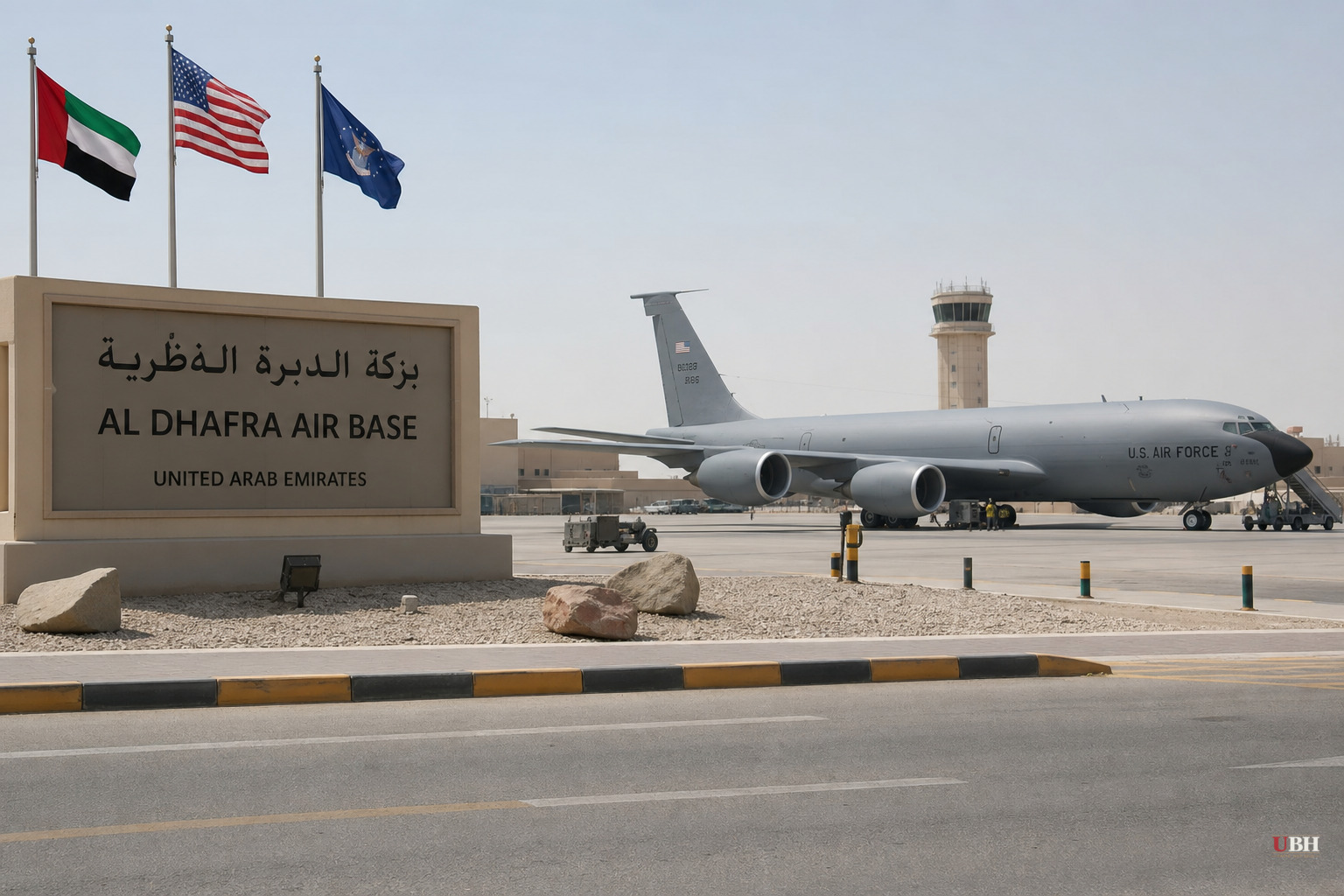
This isn't a small diplomatic spat. These are countries that host American military bases and buy American weapons. Qatar and Bahrain both host large U.S. installations. Some Gulf governments are now openly debating whether hosting those bases is still worth it, per the Post's sourcing.
If a superpower's threats against a hostile neighbor are inviting more strikes on Gulf soil without delivering the peace those threats supposedly aim for, the states absorbing the drone and missile fire have legitimate grievances. Nobody signs up to be a landing pad for retaliation with no end date attached.
A hedge, not a divorce
The clearest sign of Gulf hedging: Saudi Arabia, Turkey and Pakistan signed a mutual defense agreement last week. A senior European official, who is in regular contact with Gulf leaders, called it "a signal to the U.S." The three countries, all major Sunni Muslim powers, are "trying to diversify their security and defense partnerships," the official said. "In their mind, the U.S. is not enough."
Firas Maksad, who directs the Middle East and North Africa practice at the Eurasia Group and has deep contacts in Gulf leadership circles, told the Post the frustration isn't new. "There has been frustration from the get-go," he said, arguing Gulf states feel they were "unnecessarily entangled" in a war Trump is now struggling to close out. Maksad said the region increasingly describes Trump's Iran policy as "erratic" and "unpredictable."
Anna Jacobs of the Arab Gulf States Institute in Washington told the Post there's been "diminished trust" of the U.S. since the war started, with allies concluding Washington's conduct in the region is making them less secure, not more.
The White House pushes back
A White House official disputed the framing, telling the Post that Trump "has extraordinary relationships with all of our Gulf partners" and that the U.S. has stayed in "regular contact with all of our regional allies since before Operation Epic Fury." The official added that Iran "is more isolated than ever before as a result of its terrorist actions."
Iran launched this cycle of conflict through its own proxies and provocations, and isolating a hostile regime that funds terrorism has value. If Tehran is more diplomatically and economically cornered than it was a year ago, that's a real outcome, even if it hasn't yet translated into the ceasefire security Gulf states want.
Representatives for the Saudi, Emirati, Qatari, Kuwaiti and Bahraini governments did not respond to the Post's requests for comment, so there's no on-record pushback from those capitals themselves. Everything critical of Trump in the Post's reporting comes from anonymous officials speaking on condition of anonymity, which is standard for this kind of sourcing but means readers can't independently verify who exactly is saying what.
Analysts told the Post these dynamics are unlikely to reorder the region in the near term. Nobody's kicking American bases out tomorrow. But "unlikely near-term" isn't the same as "not happening." A prediction market tracking whether the U.S. will announce an end to the Iranian blockade by August 31, 2026, has seen the odds of that collapse, from 76% a week ago to just 18.5% as of Friday, according to Crypto Briefing. That's a fast, steep drop, and it lines up with the same skepticism the Gulf officials are voicing.
The open question is whether the Saudi-Turkey-Pakistan pact is a genuine strategic pivot or a pressure tactic aimed at Washington. Either way, Gulf states now have a documented alternative on paper. Whether they lean on it depends largely on what Trump does, or doesn't do, with Iran in the coming weeks.
Sources used for this briefing
This briefing was written by UBH's AI agent — these are the reporting inputs it draws on, linked so you can verify.

