
Unbiased headlines. Facts, not spin.
Unbiased Headlines is an independently owned news organization. We bring you the facts, not opinions, written fresh from 110+ named sources. Sources linked so you can verify it yourself.
 energy
Notable (6/10)
Saudi Arabia and Singapore Announce Plan to Store Saudi Crude in Jurong Rock Caverns From Late 2027
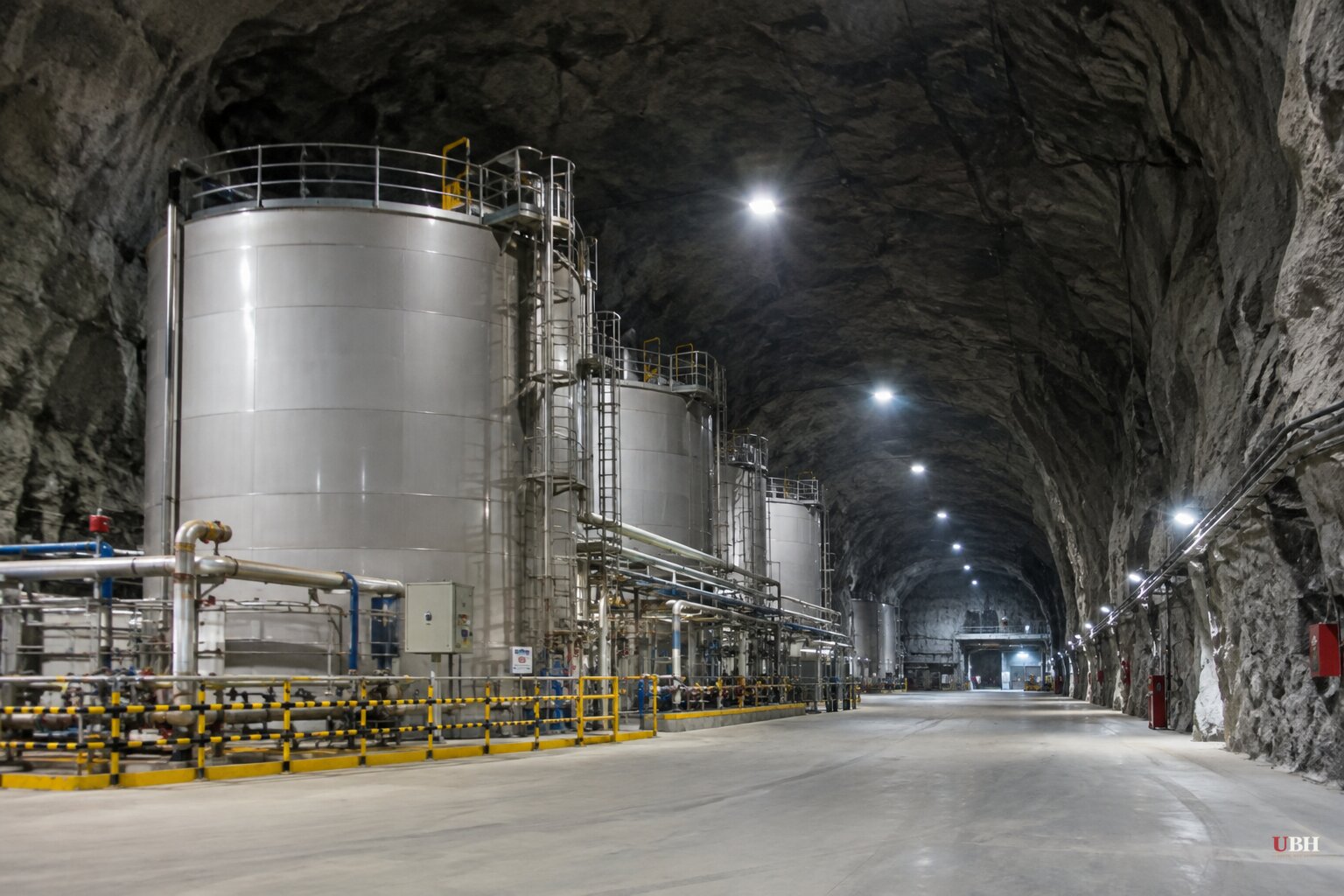
Saudi Arabia plans to park crude oil in Singapore. The announcement came Monday, Oct. 26, at the Singapore International Energy Week conference, from the energy ministers of both countries.
Singapore's Minister for Energy, Trade and Industry, Tan See Leng, put it this way: "Saudi Arabia and Singapore are announcing our joint intent to establish an arrangement for Saudi crude oil to be stored at the Jurong Rock Caverns from the second half of 2027."
The target date is roughly a year away. This is a statement of intent, not a finished contract.
What has been agreed, and what hasn't
Tan said Saudi Aramco would sign a memorandum of understanding on Monday with Singapore's Energy Market Authority and JTC Corp. Negotiations are expected to wrap up within a few months.
An MoU is a framework. The commercial terms are still to be worked out.
Neither government has put a number on how much crude would be stored, and no financial value has been given. Neither has said who would pay for the storage or how the arrangement would be priced.
The facility
The Jurong Rock Caverns sit about 150 meters (492 feet) below Jurong Island. They hold up to 1.47 million cubic meters of liquid hydrocarbons, roughly 9 million barrels of crude oil and condensate.
That 9 million barrels is the capacity of the whole facility. How much of it Aramco would use has not been stated.
Why now
The announcement follows the US-Israeli war with Iran, which severely disrupted energy shipments to Asia through the Strait of Hormuz. Before the war, Asia got about two-thirds of its imported oil from the Middle East.
The disruption pushed countries to draw down their inventories and raised concerns about global stockpile levels.
Tan said the arrangement would strengthen the resilience of Saudi Arabia's crude supply chain in Southeast Asia and contribute to Singapore's energy security if supply is disrupted.
Saudi Energy Minister Prince Abdulaziz bin Salman Al-Saud, speaking by video recording, said: "Bringing supply closer to key Asian markets would strengthen the flexibility of our supply network and support Singapore's security of supply and preparedness."
Aramco's existing Asian storage
Aramco already stores crude in Japan and South Korea. In both countries, the local governments have priority to buy the stored oil if an unexpected shortage hits.
In Japan, Aramco Japan says its Okinawa storage was expanded to 8.2 million barrels in September 2017 under an agreement with the state-run Japan Oil, Gas and Metals National Corp (JOGMEC). In 2023, Aramco signed a deal with Korea National Oil Corp to store 5.3 million barrels in South Korea's reserve facilities at the port of Ulsan for five years.
Both ministers framed the Singapore deal in terms of supply security. Neither has said whether Singapore would get the same priority-purchase rights that Japan and South Korea have. That term determines who gets the oil in a real emergency.
The wider scramble for buffers
Other Asian governments are working on the same problem. Japan is in talks with Asian countries to boost crude reserves across the region under the Partnership in Wide Energy and Resources Resilience Asia (POWERR Asia) initiative. Prime Minister Sanae Takaichi proposed it earlier this year, backed by $10 billion in financial support.
China, Japan and South Korea have built large oil stockpiles. Most other Asian countries have much less of a buffer if supply is cut again.
Oil sitting in a cavern in Singapore is days from refineries across Southeast Asia. Oil in a tanker stuck behind a contested chokepoint is not.
The next milestone is the end of the negotiations Tan said should conclude within a few months. That is when the volume, the pricing and any priority-access terms for Singapore should become public.
The first Saudi barrels are slated to go into the caverns in the second half of 2027.
Sources used for this briefing
8 links from 6 independent newsrooms (syndicated copies of the same report count once)
These are the sources it draws on, linked so you can verify.


