
Unbiased headlines. Facts, not spin.
Every story is an unbiased news briefing written from 110+ sources across the spectrum — sources linked so you can verify it yourself.
 health
Low Interest (4/10)
September 17, 2026 at 01:15 PM
health
Low Interest (4/10)
September 17, 2026 at 01:15 PM
Russia Orders Destruction of Dog Vaccine Batch After Regulator Confirms Live Virus Tied to Pet Deaths
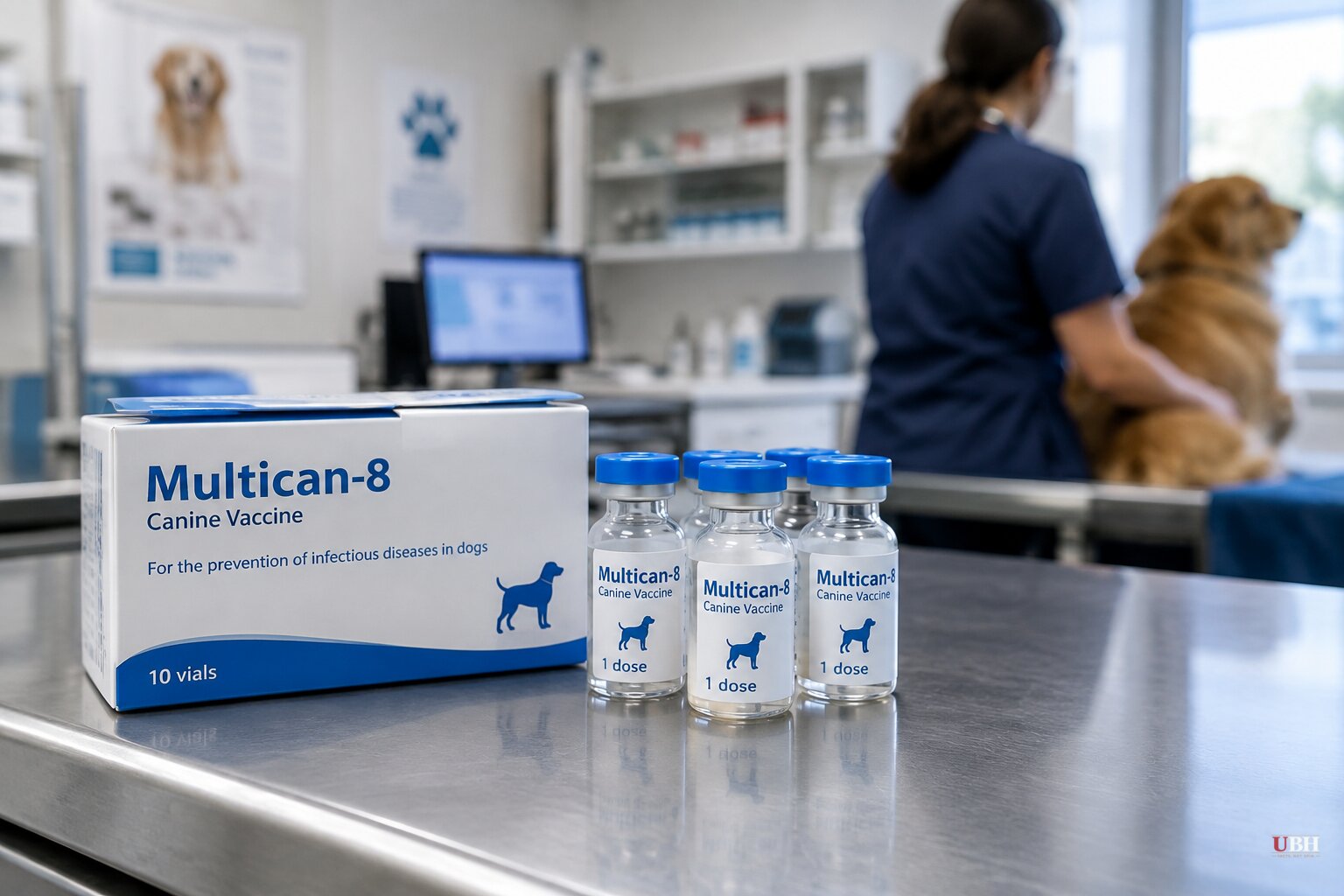
Russia's Federal Service for Veterinary and Phytosanitary Surveillance, known as Rosselkhoznadzor, ordered the manufacturer Vetbiokhim to recall and destroy batch No. 20 of its Multican-8 dog vaccine this week, after lab tests confirmed the batch contained live Aujeszky's disease virus, according to a letter the agency published on its website and reported by Meduza. The virus, also called pseudorabies, has no specific treatment and is typically fatal in dogs.
The order follows weeks of complaints from dog owners across Russia. The first reported case came from Kaliningrad in early August, when a purebred dog named Bestia died shortly after vaccination, according to the independent outlet NeMoskva. Reports then spread to Yaroslavl, where more than 20 dogs reportedly died in short order, and continued to Moscow, St. Petersburg, Tyumen, Tula, Saratov, Kostroma, Krasnodar, Leningrad, Penza and Belgorod, per Euronews.
Russia's State Duma said it had received roughly 300 complaints tied to the vaccine, according to the Telegram channel Baza, which is described as close to Russian security forces. Meduza reported that no official government tally of dog deaths exists, and it remains unclear whether one was ever compiled.
Vetbiokhim's samples from the affected batch were pulled from the Yaroslavl region, the same area where the first reports surfaced, according to Russia's state news agency TASS, as cited by the Ukrainian outlet UNN. Rosselkhoznadzor's letter to the company did not explain why only one of the suspended batches was ordered destroyed outright. Four other Multican batches had already been pulled from circulation earlier, Meduza reported.
The company's shifting explanation
Vetbiokhim initially suggested the deaths stemmed from deliberate third-party interference, essentially sabotage, according to Euronews. The company has also floated improper storage conditions at clinics as a possible cause, per NeMoskva, and told the outlet RBC that its own internal testing found no contamination with the Aujeszky's virus.
Storage failures at individual clinics rather than a defect at the factory could plausibly explain scattered deaths across many regions. But Rosselkhoznadzor's own laboratory results, plus its finding of what the agency called serious production violations, do not support the sabotage theory, and the regulator has warned Vetbiokhim could lose its operating license.
Dog owners told Meduza that some laboratories initially willing to test vaccine samples independently later refused, citing what those affected described as "pressure from above." Clinics also reportedly encouraged cremating dead dogs without necropsies, according to NeMoskva, a practice that would destroy physical evidence before any independent probe could examine it. None of these specific claims about lab pressure have been independently verified beyond the accounts of affected pet owners relayed by Meduza and NeMoskva.
Settlements with a gag order attached
Vetbiokhim has offered grieving owners between 200,000 and 300,000 rubles per dead dog, roughly $2,200 to $3,300 at current exchange rates, according to settlement agreements reviewed by Meduza. Those agreements require recipients to waive all further claims against the company and to sign non-disclosure clauses barring them from discussing the case with media or on social media without Vetbiokhim's consent.
Vetbiokhim told RBC the confidentiality clause is "standard legal practice." NDAs attached to settlements are indeed common in many legal systems, including the United States. The company was demanding silence over an unresolved public-safety question, before regulators had confirmed what caused the deaths.
A market with no real alternative
Multicasn-8 was the best-selling pet vaccine in Russia from January through July of 2026, holding roughly 20% of the market, according to Kommersant, citing data from the analytics firm RNC Pharma. Vetbiokhim's broader product line, 15 vaccines in total, accounts for about 70% of Russia's dog and cat vaccine market, per the same data.
That dominance is partly a byproduct of the war in Ukraine. Western vaccine makers largely exited the Russian market after the 2022 invasion and the sanctions that followed, according to Meduza, leaving Russian veterinary clinics reliant almost entirely on domestic producers like Vetbiokhim. NeMoskva reported the company posted nearly 2 billion rubles in net profit last year.
Separately, NeMoskva noted reports of cat deaths linked to Vetbiokhim's Multifel vaccine, though Rosselkhoznadzor has not confirmed any mass cat deaths tied to that product, an important distinction that outlet's own reporting flagged rather than glossed over.
Rosselkhoznadzor has promised a full official explanation once its investigation concludes, which NeMoskva reported is expected in October 2026. Until then, the actual number of dogs killed by the contaminated batch remains uncounted, and whether Vetbiokhim keeps its license is still an open question.
Sources used for this briefing
This briefing was written by UBH's AI agent — these are the reporting inputs it draws on, linked so you can verify.


