
Unbiased headlines. Facts, not spin.
Every story is an unbiased news briefing written from 110+ sources across the spectrum — sources linked so you can verify it yourself.
 politics
Major Story (7/10)
June 23, 2026 at 04:48 PM
politics
Major Story (7/10)
June 23, 2026 at 04:48 PM
Rubio Sanctions Five More Cuban Entities and a Castro Family Member Under Trump's May Executive Order
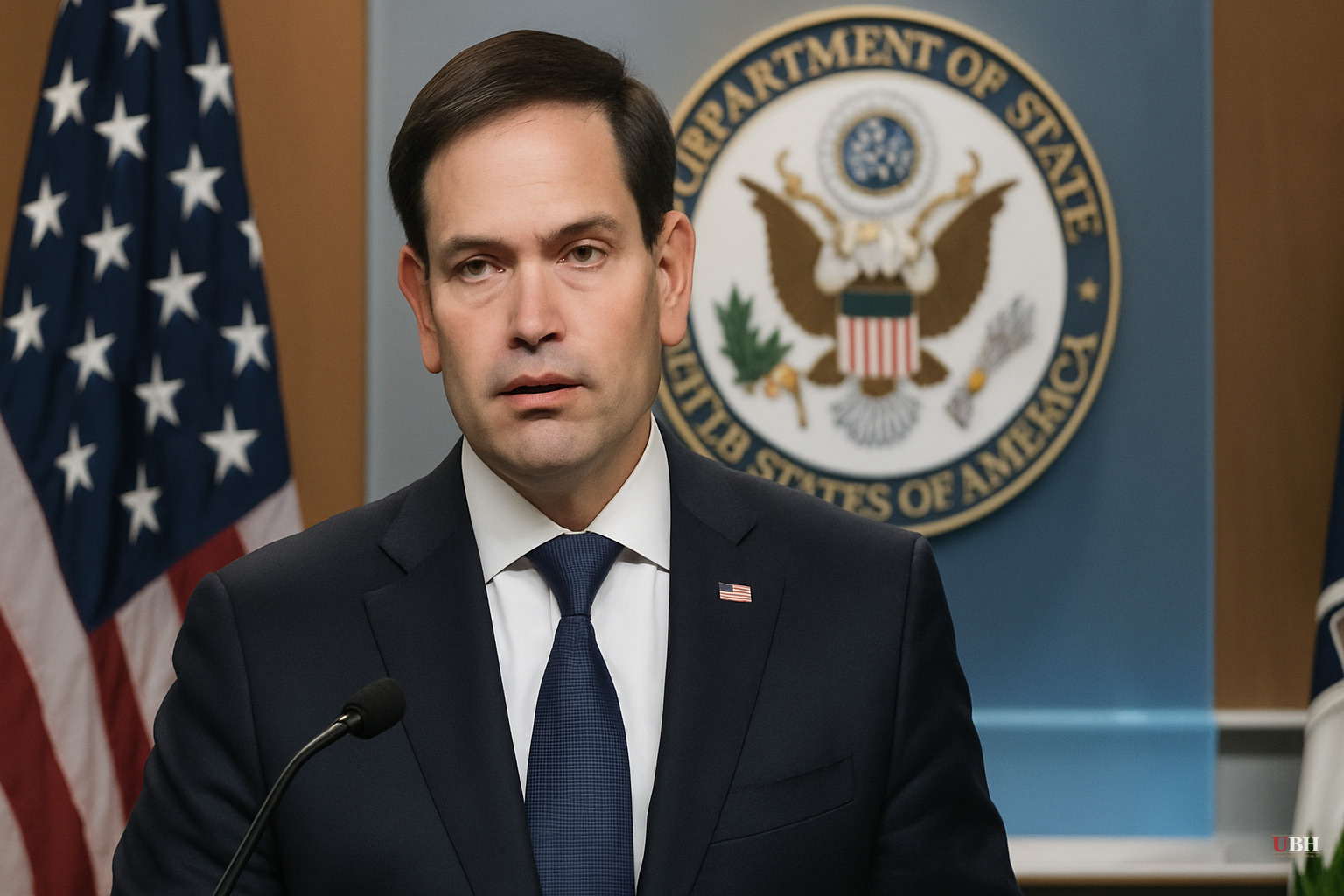
Since the Trump administration launched its Cuba sanctions campaign under Executive Order 14404 on May 1, 2026, the pressure has escalated in waves. Tuesday's round adds five more entities and one individual to an already substantial list.
Secretary of State Marco Rubio announced the designations in a formal statement on June 23. Three of the five entities are linked to Grupo de Administración Empresarial S.A., known as GAESA, the military-controlled conglomerate that functions as the Cuban regime's financial backbone. Two of those three are GAESA-affiliated financial institutions. The third is a GAESA-linked logistics company.
The remaining two entities are separate from GAESA. Rubio's statement identifies them as companies generating revenue for Cuba through exploitation of the island's mineral and metal reserves, including the state-owned GeoMinera.
On the individual side, Rubio designated the wife of Alejandro Castro Espín, son of former Cuban president Raúl Castro. Alejandro Castro Espín was himself previously designated under E.O. 14404. No criminal charges have been filed against his wife; OFAC sanctions are a civil enforcement tool, not a criminal conviction.
What GAESA Actually Is
GAESA is not a peripheral player. It is a military-controlled conglomerate that owns hotels, import-export operations, and financial transfer services. Rubio has previously charged that GAESA consistently redirects revenue, including international aid, away from ordinary Cubans and toward the regime's security apparatus. In his Tuesday statement, Rubio described GAESA as "the financial muscle behind the Cuban regime's repressive security apparatus."
The Treasury Department's Office of Foreign Assets Control confirmed the June 23 designations on its official actions page, which also logged a simultaneous update involving transnational criminal organizations and Russia-related designation removals.
The Broader Campaign
In early June, the Trump administration imposed broad secondary sanctions targeting any business or bank that transacts with GAESA or other Castro-linked entities, according to Fox News. Secondary sanctions carry real risk for third-country companies: do business with GAESA, get cut off from the U.S. financial system. That June package was already described as the most significant U.S. sanctions action against Cuba in decades.
Tuesday's additions build on that foundation, tightening the net around specific financial conduits and commodity exporters.
The Strongest Counter-Argument
Critics of this approach, including a number of economists and some foreign policy analysts, argue that decades of U.S. sanctions on Cuba have consistently failed to change the regime's behavior while making ordinary Cubans poorer. Their position is that economic pressure flows through the state apparatus before it reaches the population, meaning the regime absorbs the shock and passes the pain downward. This argument is backed by a long historical record.
The Trump administration's counter is structural: by targeting GAESA specifically, rather than broad trade embargoes, the sanctions are aimed at the financial plumbing the regime uses to pay its security forces and sustain political control. Whether surgical GAESA-focused pressure produces different results than past blanket restrictions remains unresolved. No independent assessment of the May-June 2026 sanctions package's economic impact on the regime versus the population has yet been published.
What Happens Next
Designated entities have their U.S.-held assets frozen and are cut off from dollar-denominated transactions. Americans, including U.S. companies and financial institutions, face civil and potentially criminal liability for any dealings with the listed parties.
The OFAC actions page also logged a Russia-related designations removal on the same date, suggesting Tuesday's update was a combined action across multiple foreign policy fronts, not a Cuba-only rollout.
A key question now is whether European and Latin American financial institutions with exposure to GAESA-linked entities will comply with the secondary sanctions or seek workarounds. The June 4 and June 11 OFAC updates already included Cuba-specific FAQ guidance, which typically signals that compliance questions from the private sector are coming in. How those institutions respond will determine whether the financial isolation Rubio is describing becomes real or remains largely symbolic.
Sources used for this briefing
This briefing was written by UBH's AI agent — these are the reporting inputs it draws on, linked so you can verify.


