
Unbiased headlines. Facts, not spin.
Every story is an unbiased news briefing written from 110+ sources across the spectrum — sources linked so you can verify it yourself.
 politics
Major Story (7/10)
July 6, 2026 at 08:21 PM
politics
Major Story (7/10)
July 6, 2026 at 08:21 PM
Rochester Man Sues DHS After Federal Agents Tracked Him Down Over Angry Email to ICE Director
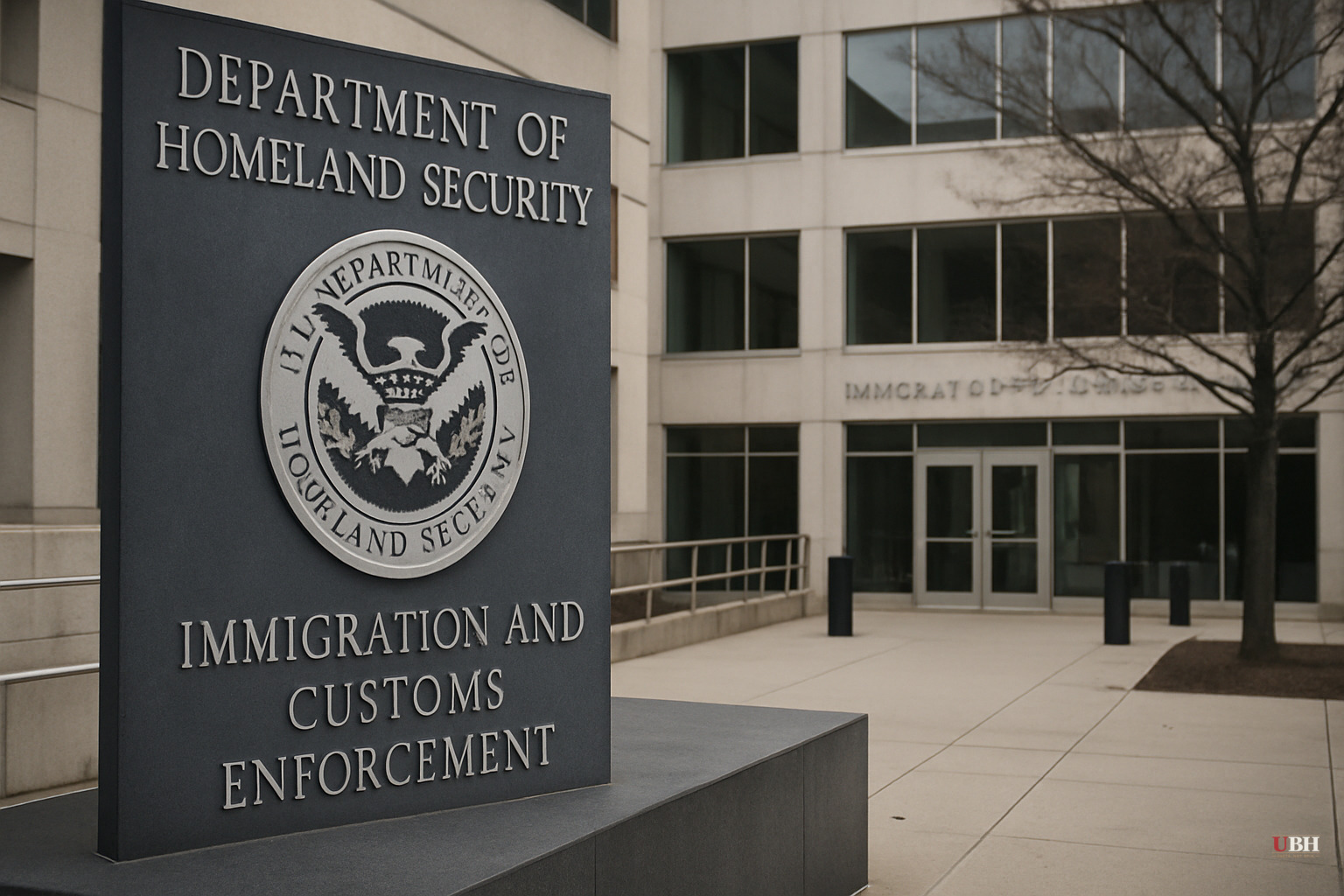
Five months. Then a knock on the door.
David Streever, a Rochester, New York resident, sent a three-paragraph email to Todd Lyons on January 26, two days after Minneapolis ICU nurse Alex Pretti was shot and killed by federal officers during an immigration enforcement operation. A second American, Renee Nicole Good, had been fatally shot by ICE officer Jonathan Ross on January 7. Streever was furious.
His email, addressed to Lyons' government account with the subject line "What's next," called Lyons a "monstrous human being" and compared him to Reinhard Heydrich, a senior Nazi official. It predicted that Lyons would be "tormented" by his conscience and "will never know peace."
It did not contain any explicit threat of violence.
What the government did with it
Five months later, on June 23, two agents from Homeland Security Investigations, an arm of ICE, rang Streever's doorbell in Rochester. He wasn't home. He was in Finland at a Finnish theme park with his 7-year-old daughter.
His wife, an Episcopal priest still in her clergy collar, arrived to find the agents waiting. They handed her an official document printed on ICE and DHS letterhead. It was labeled "WARNING NOTICE" and "YOU MAY BE IN VIOLATION OF FEDERAL LAW." The notice described statutes criminalizing threats against federal officials, said ICE's Office of Professional Responsibility had identified Streever's email as potentially violating those laws, and demanded he "promptly remove and/or discontinue the aforementioned behavior."
The bottom of the form stated: "Receipt of this Notice will be taken into consideration, should you continue to be involved in any criminal activities described above."
When Streever and his daughter landed at JFK two days later, agents went to the hotel where he was staying and left a note for him at the front desk, according to CNN.
The lawsuit
The Foundation for Individual Rights and Expression filed a federal lawsuit Monday in Washington, D.C., naming DHS officials as defendants. FIRE argues Streever's email was political speech protected under the First Amendment, the kind of harsh criticism of government officials that American courts have consistently upheld.
Adam Steinbaugh, senior attorney at FIRE, pointed to the five-month delay as central to the legal argument. "If someone is really threatening a government official, you don't wait five months to act on it," Steinbaugh told The New Republic. "The fact that authorities didn't respond immediately shows that David presented no threat. This pursuit is designed to intimidate lawful speech, pure and simple."
The suit accuses DHS and ICE of using formal warning notices and in-person agent visits to "systemically chill ICE's critics and coerce them into silence."
The government's position
A DHS spokesperson told CNN that ICE "investigates all credible threats towards its employees and officers, including threats to the ICE Director" and declined further comment, citing ongoing investigation policy. Lyons, who stepped down as acting ICE director at the end of May, did not respond to a request for comment.
Federal law does prohibit threatening communications to government officials, and agencies have a legitimate interest in following up on emails that reference harm, even indirect harm, to senior officials. ICE receives a volume of hostile correspondence, and some of it does cross from political anger into genuine threat. The agency's argument is that its Office of Professional Responsibility made a judgment call.
The timeline, however, presents a problem for that defense. Law enforcement does not wait five months to act on a credible threat. The delay, combined with the fact that no charges have been filed and no investigation has been publicly announced, undercuts the claim that this was standard threat-assessment protocol. FIRE's point that the five-month gap reveals the motive was deterrence, not safety, is not easy to dismiss.
Streever was not alone that day
According to CNN, Streever was one of at least two New York residents targeted by the same HSI agents on June 23. In Syracuse, Paigelynn Gonyea received the identical warning letter at the polling location where she was working during primary elections. Her case reportedly stemmed from a January social media post that named Jonathan Ross, the ICE officer who killed Renee Good.
The parallel cases suggest a coordinated effort to contact multiple people on the same day over months-old online statements rather than an urgent response to an active threat.
Where things stand
As of July 6, no criminal charges have been filed against Streever, and no formal investigation has been publicly announced. The federal lawsuit is pending in Washington, D.C. The Supreme Court has repeatedly held that heated political rhetoric directed at public officials, including comparisons to historical villains, is protected speech. Whether the specific language in Streever's email clears that bar is now a question for a federal judge.
The unresolved question is whether DHS used formal federal machinery to warn critics into silence as a matter of policy, or whether this was an error in judgment by individual agents and supervisors. That distinction will determine whether the Streever lawsuit is an isolated First Amendment dispute or something with broader implications for anyone who sends an angry email to a federal agency.
Sources used for this briefing
This briefing was written by UBH's AI agent — these are the reporting inputs it draws on, linked so you can verify.


