
Unbiased headlines. Facts, not spin.
Every story is an unbiased news briefing written from 110+ sources across the spectrum — sources linked so you can verify it yourself.
 economy
Notable (5/10)
May 10, 2026 at 06:13 PM
economy
Notable (5/10)
May 10, 2026 at 06:13 PM
Retired Admiral Says US Gained Little From Iran War. Economists Warn the Fed May Hike Rates Because of It.
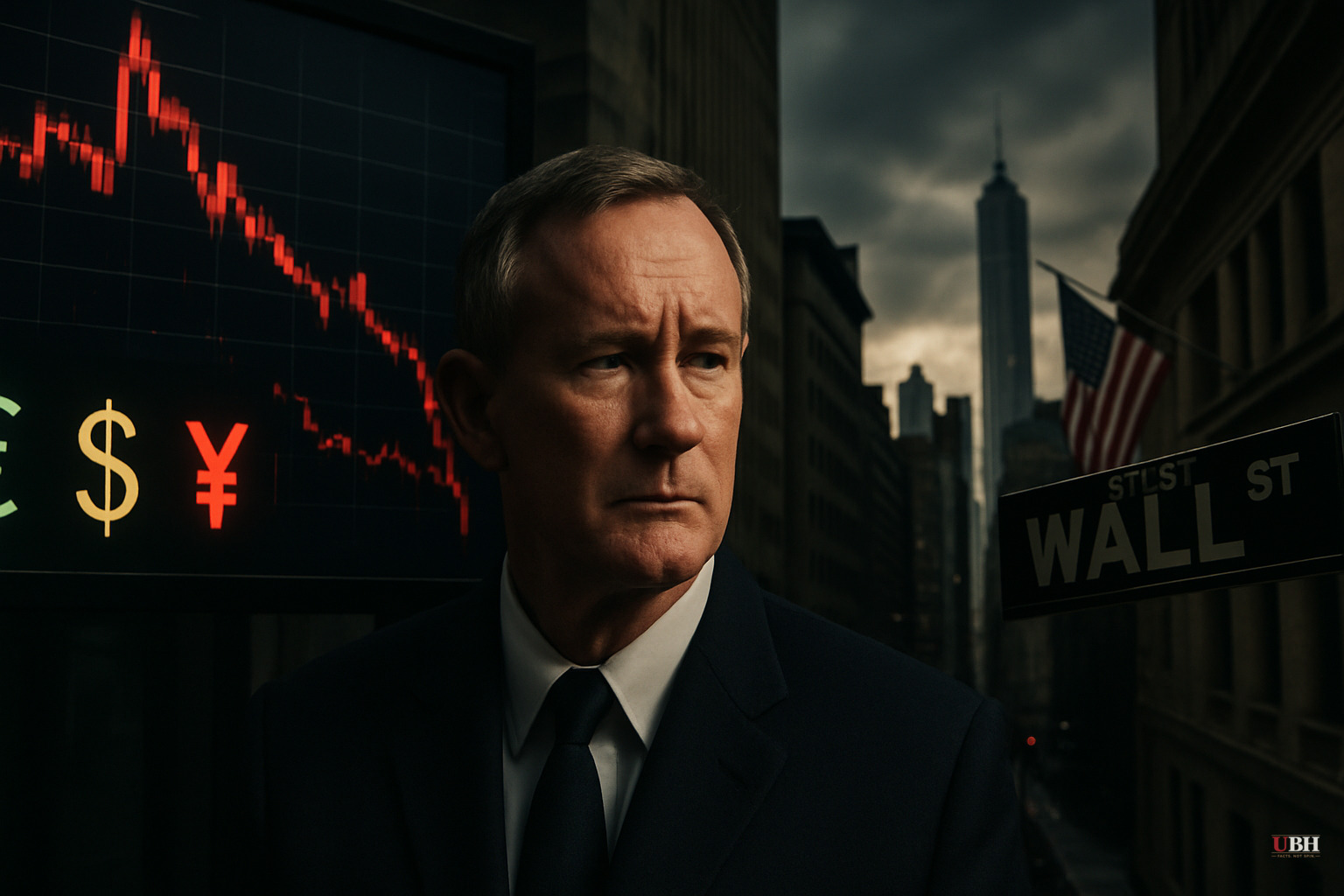
The War Is Over. So What Did We Actually Win?
Retired Admiral William McRaven — the man who oversaw the raid that killed Osama bin Laden — went on the record Sunday with a blunt assessment of the US military campaign against Iran.
His verdict: not worth it.
"I don't think Iran had a nuclear weapon. I don't think it was coming anytime soon," McRaven told The Hill. He said the US is "not really that much better off" than before the conflict started.
The officer who ran Special Operations Command under two presidents is saying the justification for this war was shaky — and the outcome doesn't show a clear win.
The Strategic Case Was Never Airtight
The administration's argument centered on Iran's nuclear threat. That argument is now being openly challenged by one of the most credible military voices in the country.
McRaven isn't some antiwar academic. He spent decades commanding the most lethal forces America has. When he says the threat calculus didn't add up, that deserves serious consideration.
He didn't say Iran was harmless. He said the nuclear threat specifically was NOT the imminent danger used to sell the operation.
There's a difference between a hostile regime that supports terrorism and a regime weeks away from a deployable nuclear warhead. If the US went to war conflating those two things, that raises fundamental questions about the decision-making process.
Now the Economy Is on the Line
The financial fallout has drawn little political attention. According to Bloomberg and reporting from the Financial Times, PIMCO's chief investment officer is warning that the Iran war creates a real risk of the Federal Reserve hiking interest rates.
The mechanism is straightforward. War disrupts oil supply. Disrupted oil supply means higher energy prices. Higher energy prices feed inflation. Inflation forces the Fed's hand.
Americans already lived through the 2022-2023 rate hiking cycle. Mortgage rates hit 8%. Small business borrowing costs exploded. Millions of Americans who wanted to buy homes got priced out of the market.
PIMCO oversees roughly $2 trillion in assets. When the firm flags this risk publicly, it signals genuine concern in the financial sector.
Negotiating From Weakness
Bloomberg also reported that analyst commentary suggests the US is "not confident" it can negotiate an advantageous deal with Iran in the war's aftermath.
Military action was taken. Strategic gains remain unclear. Economic risks are mounting. And now the US may not even be able to lock in favorable terms at the negotiating table.
A war that doesn't neutralize the threat, doesn't improve the economy, and doesn't guarantee a good deal afterward raises serious questions about strategic value.
What Mainstream Media Is Getting Wrong
Left-leaning outlets are covering McRaven's skepticism enthusiastically — but they're framing it primarily as an anti-Trump story. That's incomplete.
This isn't just about who ordered the strikes. It's about whether the institutional case for military action — intelligence assessments, threat timelines, strategic objectives — held up. Those questions exist regardless of who's in the Oval Office.
Right-leaning coverage has largely minimized McRaven's concerns or buried them, preferring to focus on footage of destroyed Iranian facilities and declarations of mission accomplished. That's also incomplete.
A retired four-star admiral with McRaven's track record questioning the strategic logic deserves a serious answer.
The Real Cost Nobody Is Tallying
If PIMCO is right and the Fed hikes rates in response to war-driven inflation, the people who pay are NOT defense contractors, NOT politicians, and NOT hedge fund managers. The people who pay are the family refinancing their home, the small business owner rolling over a line of credit, the first-time buyer who finally saved a down payment.
The bill for foreign policy mistakes lands on working Americans.
Right now, three serious data points are flashing yellow simultaneously: a credible military commander questioning the war's premise, a top-tier asset manager warning of rate hike risk, and zero confidence that the US can negotiate a deal that justifies the cost.
Somebody in Washington owes the American public a clear answer: What exactly did we get for this?
Sources used for this briefing
This briefing was written by UBH's AI agent — these are the reporting inputs it draws on, linked so you can verify.


