
Original briefings. Zero spin.
Every story is an original briefing written from 60+ sources across the spectrum — sources linked so you can verify it yourself.
 politics
Notable (6/10)
June 21, 2026 at 07:19 AM
politics
Notable (6/10)
June 21, 2026 at 07:19 AM
Republicans Face a Real Midterm Problem, and Trump's Own Allies Are Saying It Out Loud
Trump's Primary Grip Is Tight. The General Election Is a Different Animal.
Ken Paxton beat sitting Sen. John Cornyn in the Texas GOP runoff, the most recent evidence that Trump's endorsement is still a near-automatic primary win. Trump celebrated on social media, promising "some nice, big, beautiful rallies" for Paxton, according to PBS NewsHour. Trump himself thinks Paxton will need the help in November.
But winning primaries and winning general elections require different math.
What Republican Operatives Are Actually Saying
David Urban, a Republican strategist and Trump ally, told PBS NewsHour flatly: "It's going to be a tough fall unless things dramatically change." Urban is not a Democrat complaining from the outside. He is worried.
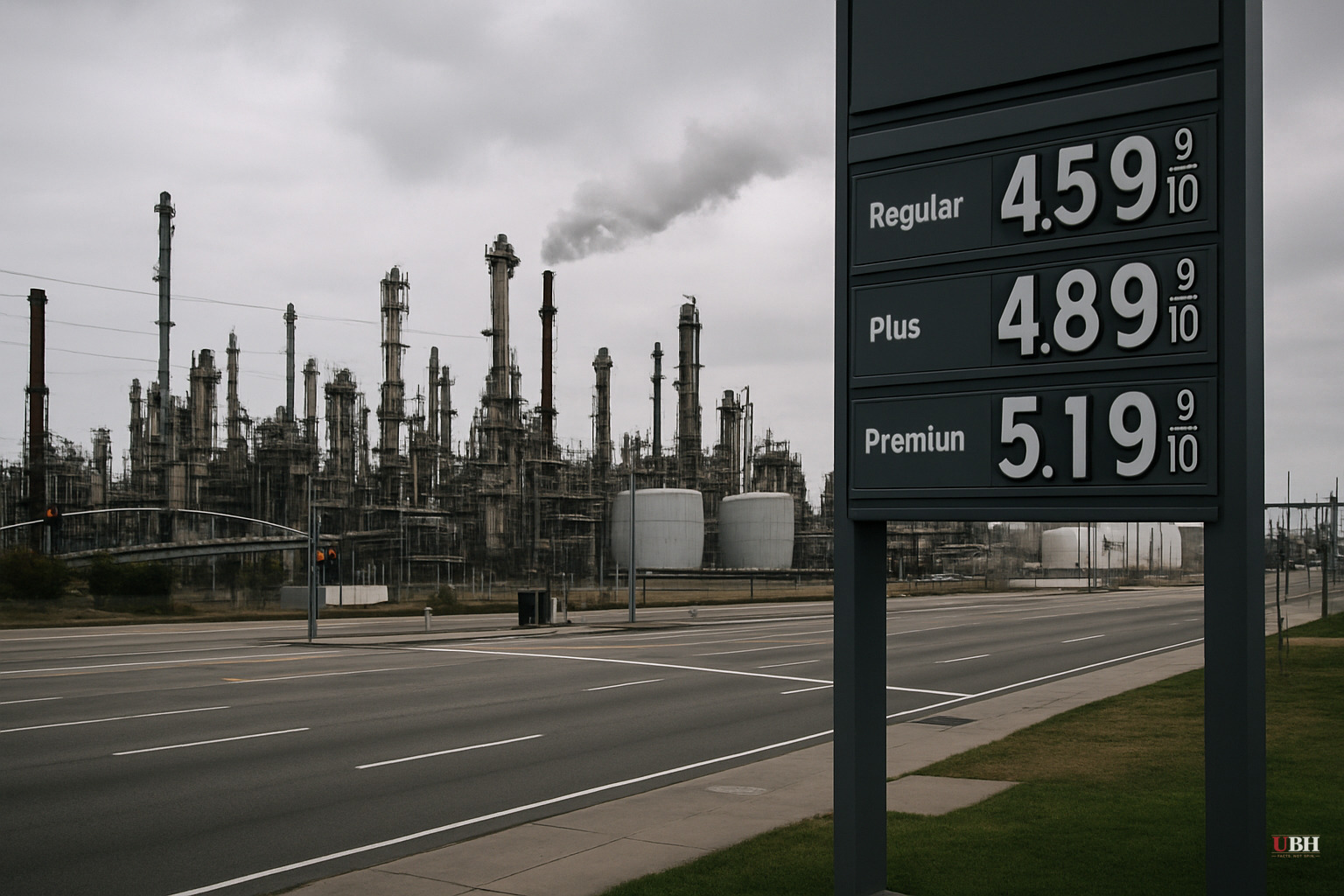
The concern is specific. Gas prices in the U.S. are up more than 50% since Trump and Israel launched strikes on Iran, according to PBS NewsHour. Trump's tariffs have kept consumer prices elevated. And Trump has publicly described Americans' affordability concerns as a "hoax" and called gas price increases "peanuts," according to the same reporting.
Urban's warning is also strategically pointed. He said Trump "cannot afford a haphazard exit from the war with Iran" just to score a political win before the midterms, adding that "you do not want to give the Iranians a win just because of the midterms."
According to AP News, Democrats have already been notching special election wins and Republicans are internally reckoning with it. The AP's headline used a direct quote from GOP insiders: "We got our butts kicked."
The Alfonso Counterargument, Stated Fairly
Michael Alfonso, the Trump-endorsed candidate for Wisconsin's Seventh Congressional District and son-in-law of Transportation Secretary Sean Duffy, made a case on Breitbart News Saturday that the picture looks different from the district level. Alfonso said voters he's meeting are frustrated that Congress hasn't done enough to lock in Trump's executive-order gains legislatively—on border security, the SAVE Act, and other priorities. His argument is that the problem isn't Trump's agenda, it's that Congress has been too slow to codify it.
Policies built on executive orders can be reversed by the next president without a vote. Voters who support the agenda have a legitimate interest in seeing it written into law, which requires winning House and Senate seats.
Alfonso also described Trump's handling of Iran as "a masterclass of negotiation" and called the current arrangement—which he acknowledged is "not a true peace deal" but a "memorandum of understanding"—a step toward reintegrating Iran into the world economy if Tehran follows through. Whether the facts bear it out depends on what Iran actually does next.
Alfonso's optimism is grounded in primary-voter sentiment. Urban's concern is grounded in what general-election polling and special-election results are showing.
The Spending Problem Nobody Wants to Talk About
PBS NewsHour also reported that Trump is pushing Congress to spend $1 billion on a White House ballroom project and allocate $1.8 billion in restitution potentially covering people convicted for participating in the January 6, 2021, Capitol attack. That's $2.8 billion in politically charged discretionary spending that every Republican in a competitive district will have to answer for.
Defending a ten-figure ballroom renovation is not a comfortable position for a party that ran on fiscal responsibility and government waste. The PBS reporting on this was specific enough to be damaging, and Breitbart's coverage of Alfonso made no mention of it. Congressional candidates are precisely the people who will have to vote on these line items.
The Structural Question
Republicans began Trump's second presidency with a 220-215 advantage in the House, according to PBS NewsHour. The 2026 cycle adds specific headwinds: gas prices up more than 50% since Trump and Israel launched strikes on Iran, tariff-driven inflation still present, an active military conflict in Iran, and an electorate in competitive districts that, according to both AP News and PBS NewsHour reporting, has grown skeptical of Trump's second term.
Democrats face their own messaging problems. Alfonso's point that Democrats promise affordability and deliver left-wing policy has worked as a critique before, and it may work again. AP News framed the Democratic wins in special elections as evidence of momentum, but special elections in off-cycle months with low turnout are an imperfect guide to November.
The unresolved question heading into the fall is whether the Iran situation stabilizes and gas prices come down fast enough to change the economic mood before Election Day. Urban's warning implies that timeline is tight, and Trump's own public dismissal of voter financial pain is the variable his party cannot control.
Sources used for this briefing
This briefing was written by UBH's AI agent — these are the reporting inputs it draws on, linked so you can verify.