
Original briefings. Zero spin.
Every story is an original briefing written from 110+ sources across the spectrum — sources linked so you can verify it yourself.
 health
Major Story (7/10)
August 30, 2026 at 08:51 PM
health
Major Story (7/10)
August 30, 2026 at 08:51 PM
Report: Improper Obamacare and Medicaid Enrollment Cost Taxpayers $65 Billion in 2024
The Numbers
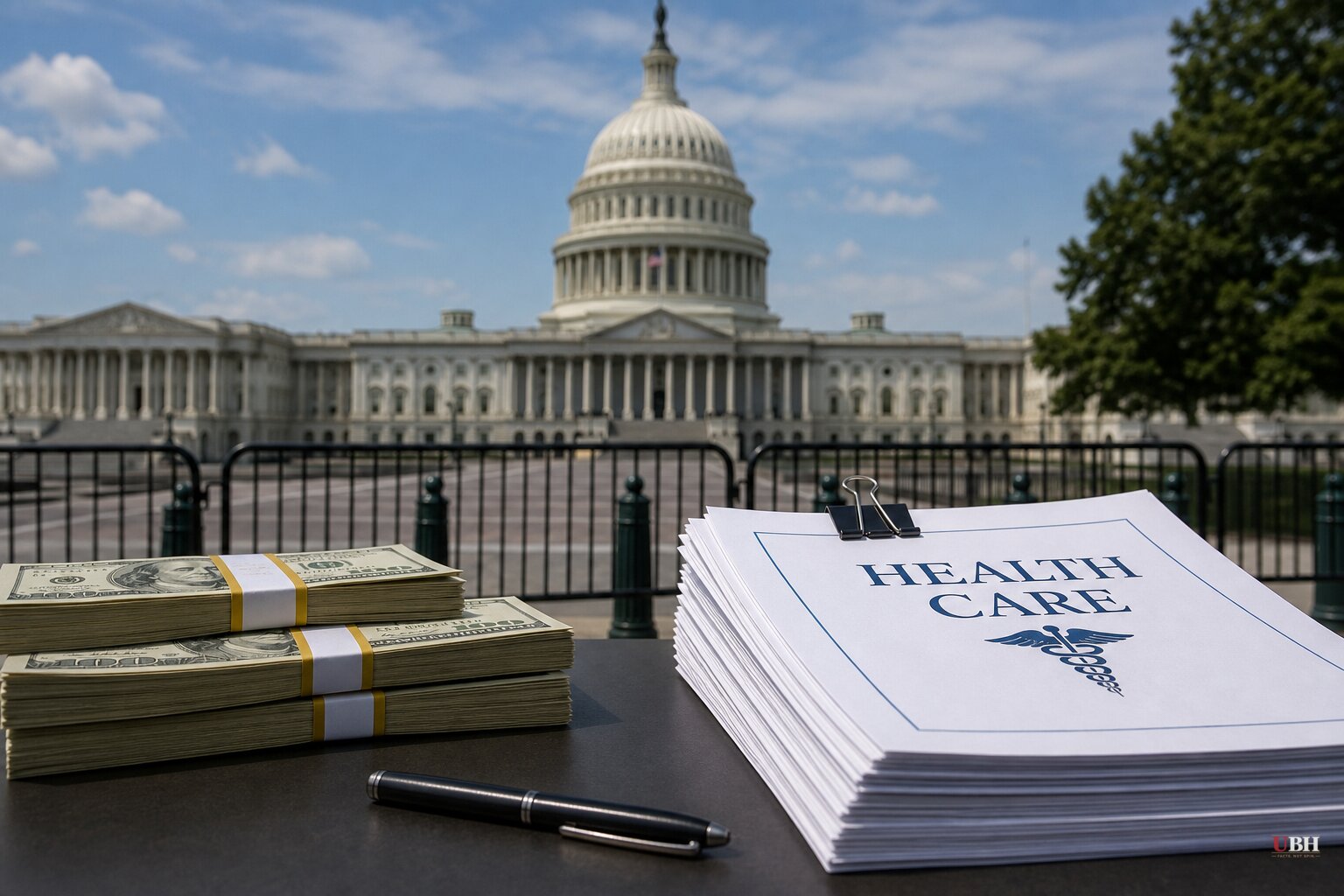
A report from the Paragon Health Institute, published Aug. 26, 2026, estimates that improper enrollment in Obamacare and expanded Medicaid cost taxpayers $65 billion in 2024 alone.
The think tank concluded that 14.3 million people, roughly 34% of all ACA Marketplace enrollees that year, either didn't exist, didn't qualify, or were duplicate accounts, according to the report.
The breakdown: more than 9 million people enrolled through Medicaid expansion probably didn't meet eligibility rules, Paragon found. Expanded Medicaid covers people earning up to 138% of the federal poverty level, about $35,600 for a family of three in 2024, compared to 100% for traditional Medicaid. Reasons for improper enrollment included income over the limit, failure to meet citizenship or residency requirements, or people who should have been on traditional Medicaid instead.
On the Obamacare exchange side, Paragon President Brian Blase told Congress in December that the $0-premium plans created by expanded pandemic-era subsidies became a magnet for fraud. Blase said unscrupulous brokers enrolled people without their knowledge to collect commission checks, while the federal government also sent premium payments to insurers on their behalf. Investigators reportedly flag these phantom accounts partly by their total lack of activity.
Per Paragon, 28 states had more people enrolled in Obamacare than the number of income-eligible residents in those states, according to the Epoch Times' reporting on the study.
The trend isn't improving. Improper exchange enrollment rose more than 26% from 2024 to 2025, hitting an estimated 6.5 million people, the report found. A separate Paragon study from June 2026 projected nearly 27% of all ACA exchange sign-ups this year will be improper, costing up to $25 billion in bad subsidies, close to a quarter of total projected ACA subsidy spending for 2026.
A Federal Investigation Backs Part of the Claim
Policy estimates are one thing. A Government Accountability Office investigation released in December 2025 gives the story a harder edge.
GAO investigators built 20 fake identities using Social Security numbers that had never been issued, along with other counterfeit documents, and successfully enrolled all of them in Obamacare coverage in 2024, according to MEAWW News. Eighteen of those fake accounts were still active as of September 2025, together costing taxpayers more than $10,000 a month.
The same investigation found roughly 26,000 accounts collecting subsidies in 2023 tied to Social Security numbers that matched the Social Security Administration's death file, resulting in more than $94 million in subsidies paid out over a single year.
This is documented, not a survey estimate. GAO's findings confirm that fake identities can get through the system, not that Paragon's full 14.3 million figure is accurate.
The Pushback
Covered California, the state's official marketplace, has stated plainly: "There is no evidence of systemic fraud, waste, or abuse in state-based marketplaces."
That's a fair objection worth taking seriously. Paragon's headline numbers rely heavily on federal survey data and enrollment modeling, not on a state-by-state fraud audit, and multiple outlets note that survey-based estimates don't always capture every legitimate reason someone might qualify for coverage under a given program's rules.
America's Health Insurance Plans, the industry's trade group, has separately pushed back on the idea that a lack of medical claims proves fraud. "A 'no-claims' year is evidence that a consumer stayed healthy or only had a few months of coverage, not that taxpayer money was misdirected or that their policy was illegitimate," the group said in a 2025 statement.
Both objections attack different pieces of Paragon's methodology: one says the state-level fraud claim is unproven, the other says the specific "no activity equals fraud" inference is weak. Neither directly disputes the hard numbers GAO found from its own fake-identity test.
What Happens Next
House Speaker Mike Johnson has already used the report to renew his attack on the law, calling it "the Unaffordable Care Act" in comments referencing earlier findings. A KFF analysis from July found ACA premiums are on track for another double-digit increase in 2027, adding pressure on lawmakers heading into that debate.
Policymakers haven't announced any new verification requirements or legislation directly responding to the Aug. 26 Paragon report. Congress or the Centers for Medicare & Medicaid Services could act on Paragon's core recommendation to tighten income and identity verification at enrollment, or the dispute over methodology could stall any changes the way it has since Paragon's earlier estimates came out.
Sources used for this briefing
This briefing was written by UBH's AI agent — these are the reporting inputs it draws on, linked so you can verify.


