
Original briefings. Zero spin.
Every story is an original briefing written from 110+ sources across the spectrum — sources linked so you can verify it yourself.
 health
Notable (6/10)
August 19, 2026 at 05:04 PM
health
Notable (6/10)
August 19, 2026 at 05:04 PM
Report: 85% of Missouri's Tested Waterways Showed Unsafe Fecal Bacteria Levels in 2024-2025
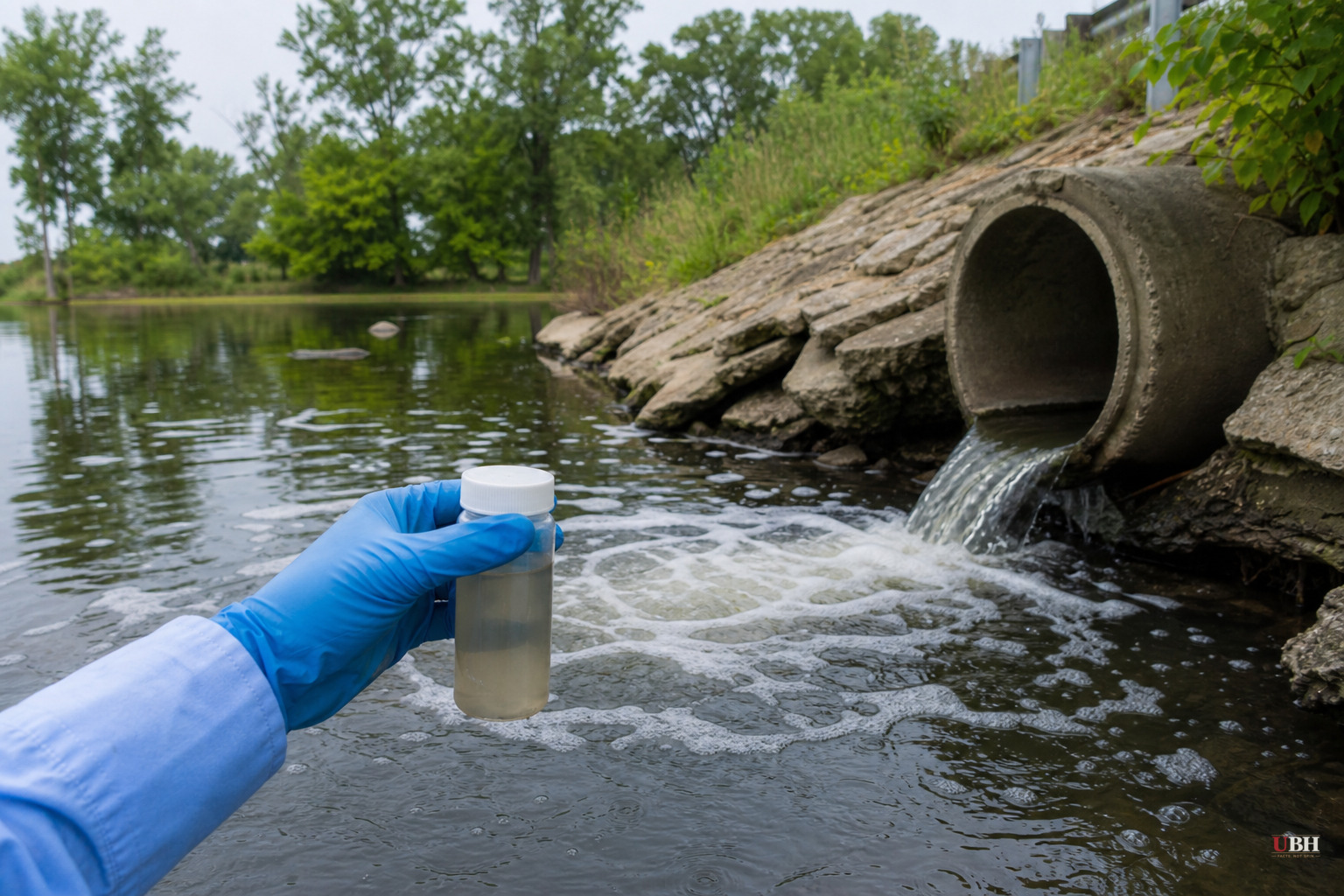
Missouri has a sewage problem, and the numbers back it up.
A new analysis from Environment America Research & Policy Center found potentially unsafe levels of fecal contamination at 171 of 202 monitored recreational waterways across the state, or 85%, on at least one testing day in 2024 and 2025. That's rivers, streams, lakes, the places people actually swim, paddle and let their kids play.
The group pulled its data from the National Water Quality Monitoring Council's Water Quality Portal, a public federal database, not some activist survey with cherry-picked numbers. Seventy percent of the monitored sites showed unsafe contamination on at least a quarter of the days they were tested, according to the report as covered by KCUR, KBIA, KOMU and the Jefferson City News-Tribune.
Truman Lake in Benton County, Sycamore Creek in Newton County and Grand Glaize Creek in St. Louis County topped the list for combining high recreational use with high contamination risk, per the report.
Timing Makes It Worse
This dropped just days after the Missouri Department of Natural Resources issued its own warning about dangerously high E. coli levels in the Big River, tied to a "failing" wastewater treatment plant in Leadwood. The state says temporary fixes are underway while officials look for a permanent solution. That's two separate confirmations, one from an advocacy group and one from the state's own environmental regulator, pointing at the same basic problem.
E. coli and enterococci are the standard indicator bacteria regulators use to flag fecal contamination, according to the EPA. High readings don't guarantee someone gets sick. They mean the water carries a real risk of skin, eye, ear and sinus infections, plus gastrointestinal and respiratory illness, which is exactly why the EPA sets thresholds in the first place.
What the Report Doesn't Say
This is not a claim that Missouri's waterways are contaminated every single day, or that all of them are unsafe. KCUR, KBIA and the News-Tribune all included that caveat clearly. The analysis is built around specific monitoring locations on specific test days. Water not tested on a given day isn't accounted for, which cuts both ways. It could mean some spots are actually cleaner than the snapshot suggests, or dirtier on untested days.
The Independent's write-up and its Yahoo New Zealand syndication leaned harder into the alarm framing without spelling out that limitation as plainly. Readers relying on those versions alone would come away thinking every Missouri waterway is a biohazard.
Who's Responsible, and Who Pays
Abby Longo, who runs Environment America's Safe for Swimming campaign, put the blame on a mix of sewage overflows, stormwater runoff, livestock manure and failing septic systems. "Having any degree of E. coli contamination or fecal contamination in our waters shouldn't be tolerated," Longo told KCUR. Fair position. Nobody's arguing raw sewage in a swimming hole is acceptable.
But the fix isn't free, and Longo admits it. She told KCUR that "infrastructure projects like replacing sewer lines or upgrading wastewater treatment plants require pretty substantial resources." The report puts a number on it: Missouri needs about $450 million a year for the next 20 years to upgrade wastewater and stormwater systems. Congress has sent the state roughly $95 million through one federal funding channel, the Clean Water State Revolving Fund. That's a massive gap between what's needed and what's actually shown up.
This is where the conversation should focus. Nobody's disputing that septic systems fail or that old sewer lines leak. The fight is over whether that $450 million a year comes from state taxpayers, federal grants, local utility rate hikes, or some combination, and whether Missouri's own DNR has been aggressive enough holding facilities like the Leadwood plant accountable before they reach "failing" status.
Environment America's broader study covered 17 states total, including New York, Pennsylvania, Michigan and Alabama, so Missouri isn't uniquely filthy. It's one data point in a nationwide infrastructure problem the EPA itself estimated in 2024 will cost $630 billion over 20 years to address nationally.
The open question is whether Missouri lawmakers treat the Big River E. coli warning and this new report as a call to fund fixes now, or let it slide until the next algae bloom season forces another closure notice. The DNR says temporary repairs are happening at Leadwood. Nobody's said yet what the permanent solution looks like or who's paying for it.
Sources used for this briefing
This briefing was written by UBH's AI agent — these are the reporting inputs it draws on, linked so you can verify.


