
Original briefings. Zero spin.
Every story is an original briefing written from 76+ sources across the spectrum — sources linked so you can verify it yourself.
 politics
Notable (5/10)
August 16, 2026 at 05:48 AM
politics
Notable (5/10)
August 16, 2026 at 05:48 AM
Reform UK Proposes £50bn Welfare Overhaul, Would Scrap PIP for Working-Age Adults
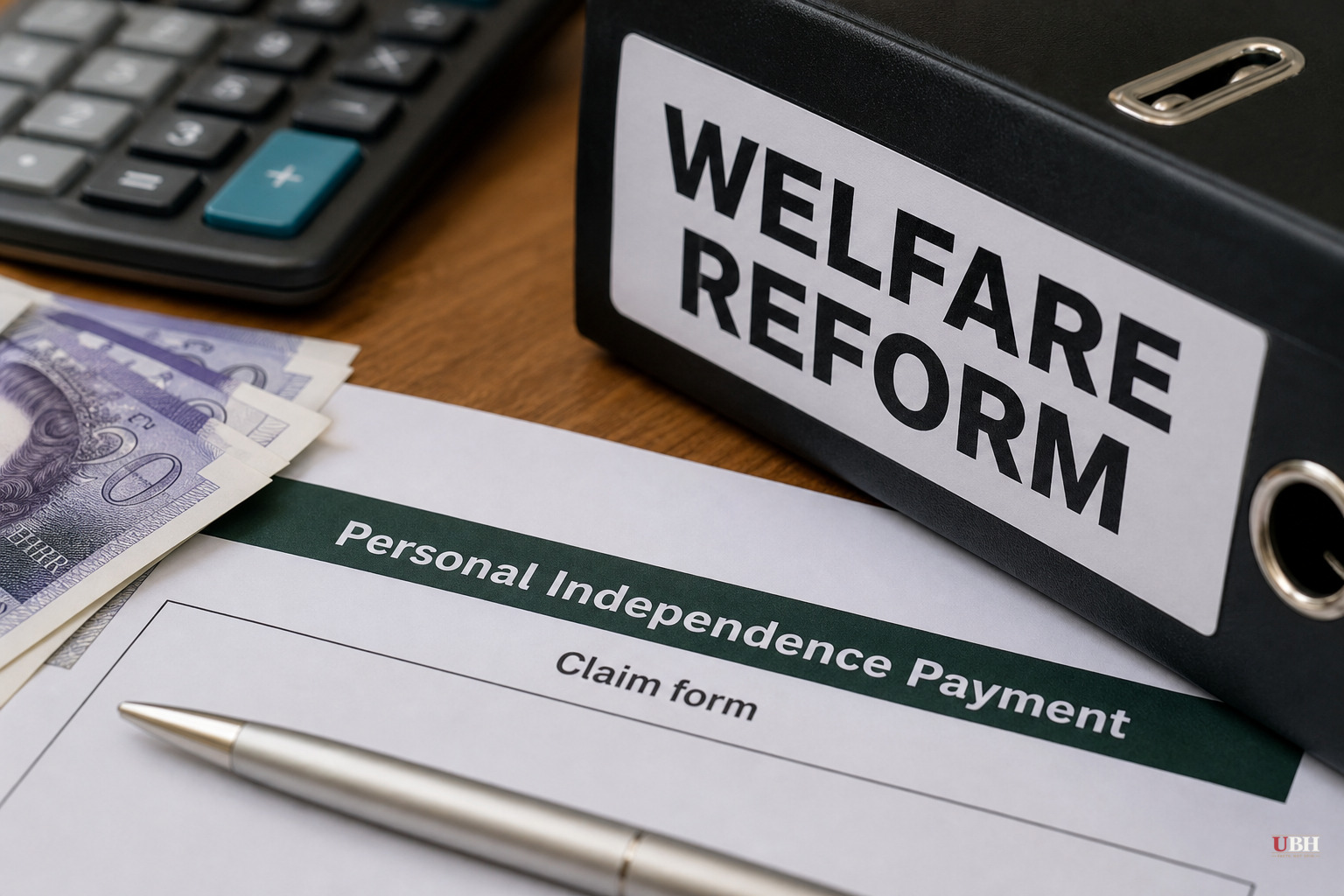
Reform UK is set to publish a full policy paper Monday laying out what Robert Jenrick, the party's treasury spokesperson, calls the biggest welfare overhaul in a generation. The headline number is £50 billion a year in savings. The headline casualty count is 2.89 million people whose disability or sickness benefits would be cut or modified, according to details reported by the BBC, The Independent, and The Telegraph.
The plan targets Personal Independence Payments (PIP) and the health element of Universal Credit for working-age adults. Both would be scrapped and replaced with something called a Health Security Allowance, reserved for what the policy document calls "severe, enduring and high-risk cases," per the BBC. Everyone else currently getting cash support would instead get access to council-run disability support accounts covering equipment, home adaptations, transport, and personal assistance, according to The Telegraph.
Jenrick, writing in the Sunday Telegraph, called the current system "suicidal empathy" and "a strange perversion of compassion." He argued the numbers back him up: 6.9 million people are on disability benefits, he said, and this isn't "an epidemic of broken backs and lost limbs." Since 2002, the share of working-age claimants citing mental health and behavioral conditions has tripled, per Jenrick's own figures cited by The Independent.
Who Loses, Who Keeps Their Payments
Reform's own estimates, per The Independent and The Telegraph, say 2.16 million existing claimants would keep their full cash entitlement after reassessment. The other 2.89 million would see benefits modified or withdrawn entirely, concentrated in categories the party says have seen the fastest recent growth, meaning mental health and behavioral claims.
That reassessment process would take three to four years and would replace the current multi-track assessment system with a single, in-person clinical evaluation, designed according to Jenrick to "screen out vexatious and fraudulent claims." Children's benefits would also change, with new claims for anxiety, depression, and ADHD brought in line with the adult system, though existing child claimants would be unaffected.
The Employer Insurance Piece
The most structurally novel part of the plan borrows from the Dutch welfare model. Businesses with more than five employees would be required to buy "Return to Work Cover" insurance, covering the cost of an employee's first two years off sick. Reform says this creates a direct financial incentive for employers to make workplace adaptations and get people back on the job, since fewer long-term sick claims means lower future premiums.
To offset the cost to business, Reform says it would cut employer National Insurance contributions by 0.2 percentage points initially, calling the whole package "cost-neutral" for companies. Whether that math actually balances for a five-person plumbing firm versus a 500-person logistics company is a fair question Reform hasn't answered in detail yet, and won't until the full 50-page paper, titled Making Welfare Work, drops Monday.
Reform also says it would spend an extra £1.85 billion annually on things like cognitive behavioral therapy, physiotherapy, and employment support, aimed at getting people who lose cash benefits into work rather than simply cutting them off.
The Political Reaction, Predictably Split
Labour called the £50 billion figure "fantasy economics, built on stripping support from disabled people," according to the BBC. Labour's own government tried to tighten PIP daily-living assessments in March 2025 and got rolled back by its own backbenchers, a fact Jenrick pointed to directly as evidence that Westminster lacks the spine to touch this budget line at all.
The Conservatives, through shadow work and pensions secretary Helen Whately, called the plan "half-baked" and accused Reform of using it to distract from the ongoing questions around a £5 million donation Nigel Farage received, and from what The Independent described as his "pointless by-election" fight in Clacton. Jenrick countered that Reform's plan saves more than double the £23 billion the Tories themselves proposed, with £22 billion of Reform's total coming specifically from disability benefit changes.
Both attack lines have some truth in them and neither fully lands. Labour is right that no independent body has yet verified Reform's £50 billion figure, since it comes from the party's own modeling, not from the Office for Budget Responsibility or a comparable independent forecaster. Labour's own retreat from more modest PIP tightening last year undercuts the idea government has a serious plan of its own. The Conservatives' distraction argument doesn't really engage with the substance of the policy at all.
What's genuinely unresolved is verification. Reform is working from an unpublished internal analysis. The full document isn't public until Monday. Nobody outside the party, no independent economist, no OBR review, has checked whether £50 billion in savings survives contact with actual claimant data, and whether the employer insurance scheme actually is cost-neutral once real premiums get set by insurers rather than modeled on a spreadsheet.
Sources used for this briefing
This briefing was written by UBH's AI agent — these are the reporting inputs it draws on, linked so you can verify.

