
Original briefings. Zero spin.
Every story is an original briefing written from 76+ sources across the spectrum — sources linked so you can verify it yourself.
 politics
Low Interest (4/10)
August 16, 2026 at 01:03 AM
politics
Low Interest (4/10)
August 16, 2026 at 01:03 AM
Liechtenstein's Royal Family Votes to Let Women Inherit the Throne
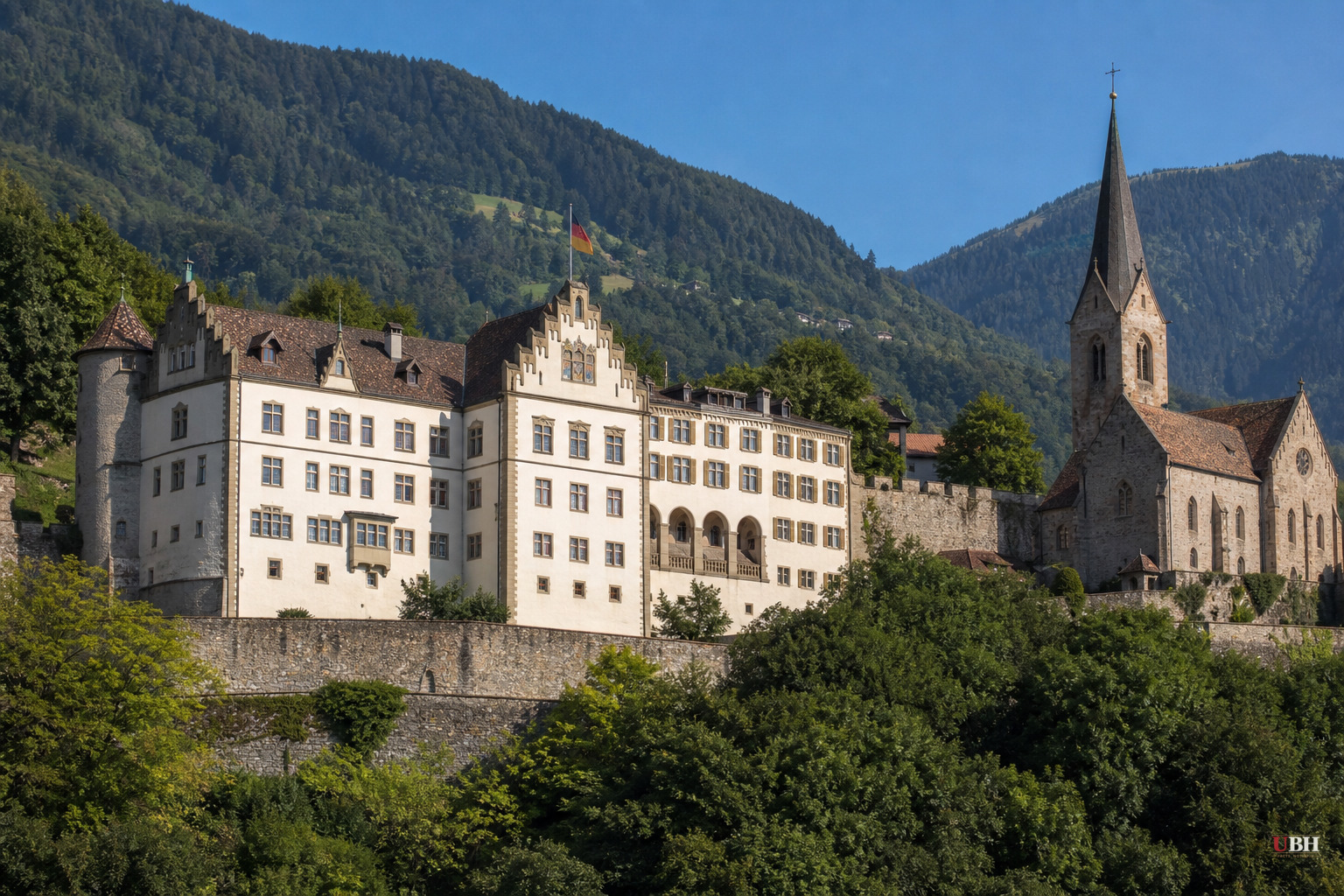
Liechtenstein's royal family has voted to scrap its male-only succession rule. Hereditary Prince Alois announced the change Saturday, August 15, during the country's national day celebration, according to the Associated Press.
The family's decision was approved Wednesday, August 12, by a two-thirds majority of the house members eligible to vote on such matters, Alois said, citing a text of his remarks posted on the princely house's website.
"The line of succession will be adjusted from male primogeniture to absolute primogeniture," Alois said. "That means that in the future, the first-born child will, regardless of sex, become the heir to the throne and later the princess or prince of Liechtenstein."
This is a real shift for a monarchy that still runs on genuinely royal power. This isn't Britain, where the monarch cuts ribbons and stays out of politics. Liechtenstein's ruling prince can veto referendum results, appoint judges and fire the government, according to the BBC. Whoever inherits that job inherits actual authority.
The change won't reshuffle anyone alive today. A statement from the princely house, reported by the Associated Press, specified that it only applies to descendants of Alois and his wife, Hereditary Princess Sophie, who are born in the future. The current line of succession stays exactly as it is.
Prince Hans-Adam II, 81, has been head of state since 1989 but handed most of his governing powers to Alois in 2004, following the family's tradition of passing the reins to the next generation before death. Alois, now 58, is next in line. His eldest child, 31-year-old Prince Joseph Wenzel, remains the heir after him. His second child, Princess Marie Caroline, 29, was born before this rule existed and doesn't retroactively move up the list.
Alois framed the change as consistent with how the family already operates. "The ability to combine continuity and renewal is also a principle that we foster inside the princely house," he said, adding that "in our centuries-old history, it has served us well to make decisions in a long-term and very well thought-out way."
Liechtenstein was the last country in Europe to give women the vote, in 1984, and even that only passed because male voters narrowly approved it in a referendum that Hans-Adam himself backed. Forty years later, the same family that dragged its feet on suffrage is now the one changing its own inheritance rules on its own timeline, through its own internal vote, with zero public referendum required. Change happens in Liechtenstein when the family decides it happens, not when outside pressure forces it.
There's a fair conservative case for exactly this kind of gradualism. A country doesn't have to blow up centuries of tradition overnight to modernize. It can update the rule for future generations without touching who's currently in charge or destabilizing succession right now. Alois' own language leaned on that: continuity paired with renewal, decided carefully, not by outside mandate. Critics of monarchy generally might ask why 40,000 residents don't get a vote on how their head of state is chosen at all. But that's a critique of the monarchy's existence, not of this specific reform.
Last year Brigitte Haas became Liechtenstein's first female prime minister, a separate but related data point showing women moving into positions of authority in a country that was, within living memory, the most resistant in Europe to female political participation.
Britain made a similar change in 2011, ending male preference in royal succession so that a first-born daughter would outrank a younger brother. Liechtenstein's version is narrower in one sense. It took effect through an internal family vote rather than an act of Parliament. It's broader in another, since the prince here actually governs rather than reigns ceremonially.
None of the coverage across the Associated Press, the BBC, CBS News or The Independent disputes the basic facts, and none of it flags any controversy or dissent within the family over the vote. The rule won't matter in practice until one of Alois' grandchildren, or great-grandchildren, is born a first daughter ahead of a younger brother. Whether that child eventually inherits real power to veto referendums and fire governments will depend on decisions still decades away.
Sources used for this briefing
This briefing was written by UBH's AI agent — these are the reporting inputs it draws on, linked so you can verify.

