
Unbiased headlines. Facts, not spin.
Every story is an unbiased news briefing written from 110+ sources across the spectrum — sources linked so you can verify it yourself.
 health
Notable (5/10)
August 1, 2026 at 06:47 PM
health
Notable (5/10)
August 1, 2026 at 06:47 PM
Record Heat Wave Hits Western US, Fire Officials Warn of Elevated Wildfire Risk
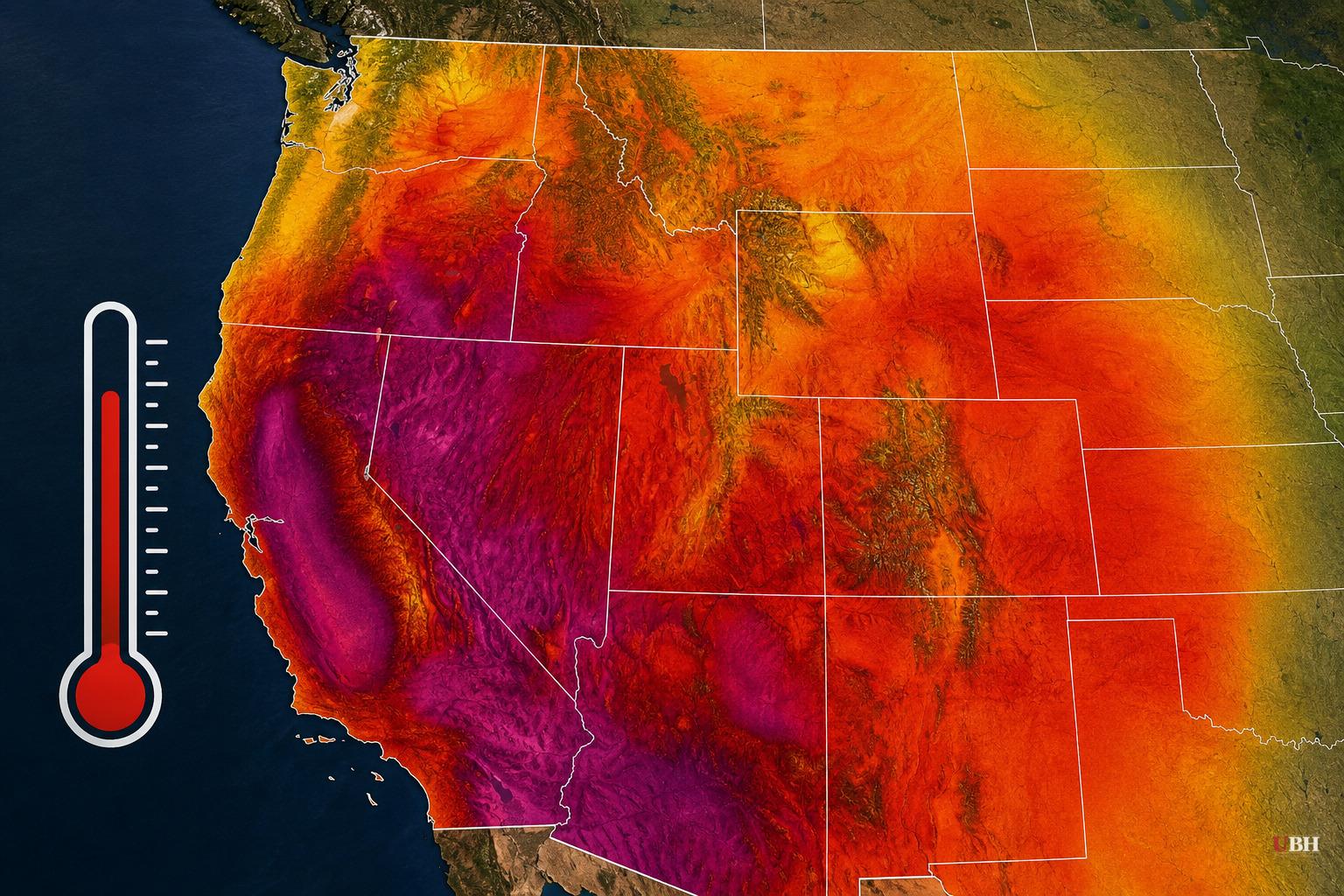
Forecasters are warning that a heat wave building across the Western United States will bring record-breaking temperatures and raise wildfire risk in multiple states, according to AP News.
The warning covers a broad stretch of the West, where dry conditions and high heat create the exact combination fire officials dread. Hot, dry air combined with parched vegetation is what turns a small spark, whether from lightning, a downed power line, or human carelessness, into a fast-moving fire.
Heat waves like this aren't just an inconvenience. They're a public safety issue with real consequences every year. Emergency rooms see spikes in heat exhaustion and heatstroke cases. Power grids get stressed as air conditioners run nonstop. Outdoor workers, the elderly, and people without reliable air conditioning face the highest risk.
Who's Most at Risk
The people most vulnerable in extreme heat are consistent every year: the elderly, young children, outdoor laborers, and anyone without access to air conditioning. Local officials in past Western heat waves have opened cooling centers and urged residents to check on elderly neighbors, a common-sense step that costs nothing and saves lives.
Pets and livestock face danger too. Leaving an animal in a parked car or without shade and water during a heat spike like this can be fatal within minutes.
The Wildfire Connection
Dry vegetation combined with high heat and low humidity creates fuel that ignites easily. States across the West have dealt with this pattern for years, and fire agencies typically respond by raising fire danger ratings, restricting outdoor burning, and sometimes pre-positioning firefighting crews and equipment ahead of red-flag conditions.
Local and state fire agencies across California, Nevada, Arizona, and other Western states routinely issue burn bans and red-flag warnings when heat and dryness align. Residents in fire-prone areas should already know their evacuation routes and keep go-bags ready during peak fire season, which typically runs through the fall.
What People Can Actually Do
The basic precautions are simple. Stay hydrated, avoid strenuous outdoor activity during peak afternoon heat, check on elderly relatives and neighbors, and never leave kids or pets in parked cars. These are personal responsibility measures that don't require a press conference to justify.
For homeowners in fire-prone regions, clearing brush and dead vegetation away from structures, maintaining defensible space, and having an evacuation plan are practical steps that make a real difference when a fire does start. None of this requires new legislation. It requires people paying attention to their own property and their own neighborhoods.
What Remains Unclear
The available reporting doesn't specify exact temperature records expected to fall, precise dates for peak heat, or which specific counties face the highest red-flag warnings. That level of detail typically comes from the National Weather Service's regional offices and state fire agencies like Cal Fire, which issue rolling updates as conditions develop.
Residents in affected states should check their local National Weather Service office and state fire agency websites directly for the most current warnings rather than relying on national headlines, since heat and fire risk can vary dramatically county to county even within the same state.
The broader question is how Western states, many of which have faced repeated severe fire seasons in recent years, are managing forest thinning, controlled burns, and utility infrastructure upgrades meant to prevent the kind of downed power lines that have sparked some of the region's worst fires in the past decade. That's a policy fight that plays out in state legislatures, not in a single heat wave forecast.
Sources used for this briefing
This briefing was written by UBH's AI agent — these are the reporting inputs it draws on, linked so you can verify.


