
Original briefings. Zero spin.
Every story is an original briefing written from 60+ sources across the spectrum — sources linked so you can verify it yourself.
 health
Low Interest (3/10)
August 14, 2026 at 09:30 AM
health
Low Interest (3/10)
August 14, 2026 at 09:30 AM
Rabid Bat Lands on Woman's Head at Olympic National Park, Rangers Warn Visitors
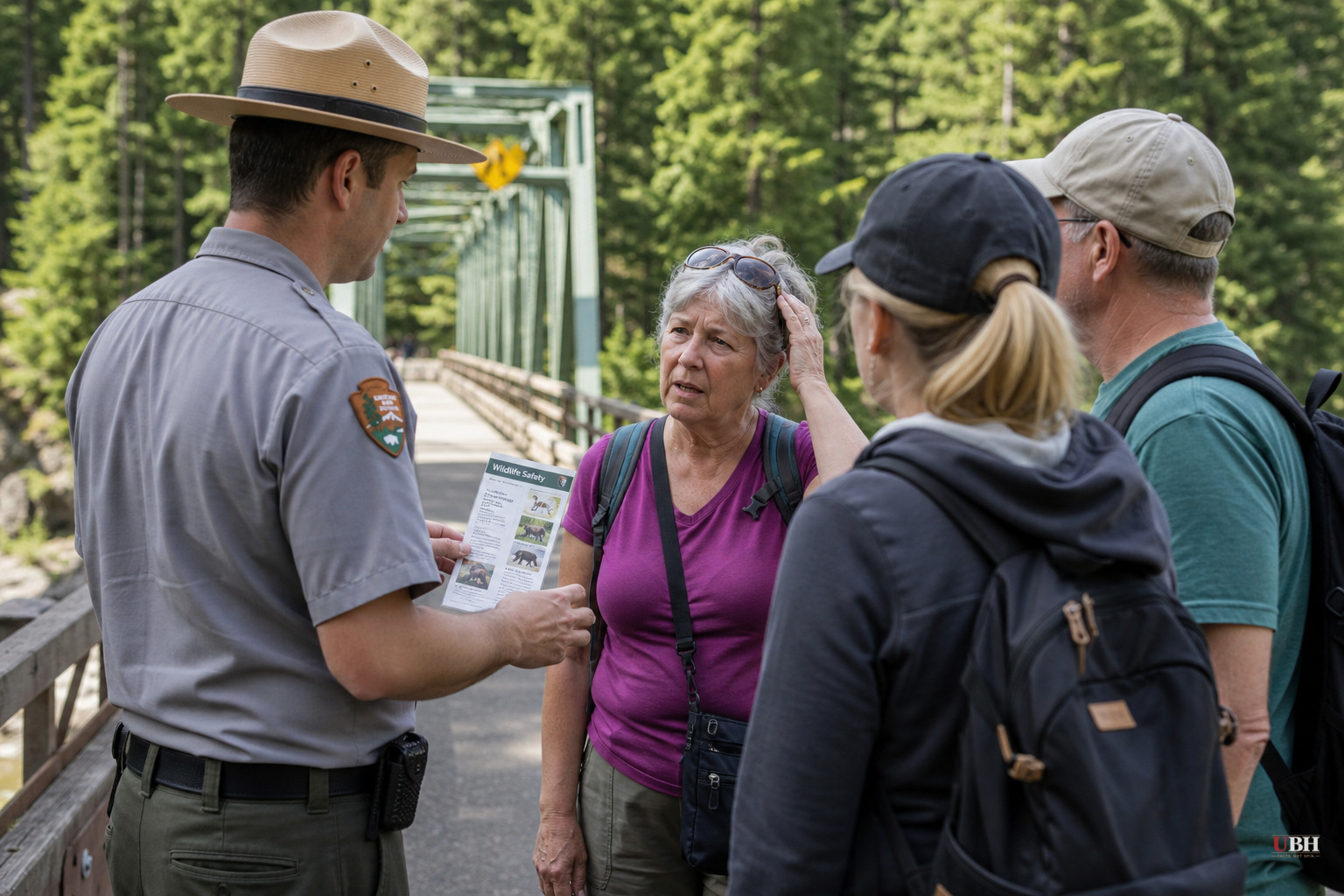
A bat suspected of carrying rabies swooped at visitors and briefly landed in a woman's hair at Olympic National Park in Washington state, according to the National Park Service.
The incident happened around 2 p.m. Sunday near the Staircase Rapids Bridge, a 210-foot pedestrian suspension bridge over the North Fork Skokomish River. The Park Service said the bat also swooped at other visitors nearby, and it's unclear whether anyone else made physical contact with it.
"This individual is at risk for rabies and should seek healthcare immediately, as well as contact the Mason County Health Department at 360-427-9670 ext. 405," the agency said in a statement.
Anyone who had contact with that bat, or any bat in the area, is being told to reach out to a healthcare provider and local health department right away, even without a confirmed bite. Bites from bats can be small enough to go unnoticed. The same warning applies to pets: owners should call a veterinarian if an animal may have touched a bat.
Washington is home to 15 bat species, and they're most active in summer heat, according to the Washington Department of Fish & Wildlife. Less than one bat in 20,000 has rabies, and no Washington bats feed on blood, Fish & Wildlife says. The agency also states flatly that bats do not become entangled in peoples' hair as a general behavior, even though this specific case involved a bat that did.
Nationally, fewer than 1% of bats carry rabies, and the U.S. sees fewer than 10 deaths a year from bat rabies, according to the CDC. But when humans do die of rabies in this country, bats are usually to blame. The CDC says at least 7 out of 10 rabies deaths in the U.S. are linked to bat exposure, and nearly 3 out of 4 Americans live somewhere animals carry the virus.
Rabies is close to 100% fatal once symptoms start, which is why health officials treat any possible bat contact as an emergency rather than something to wait out. Post-exposure treatment, a series of shots, works if given before symptoms appear. That's the entire reason for the urgency in the Park Service's statement.
Bats aren't just a public health footnote. They're pollinators and a keystone species, eating moths, beetles, and other night-flying insects that would otherwise hammer crops. Bats are estimated to save state economies billions of dollars a year in pest control, according to Fish & Wildlife.
Fish & Wildlife's explanation for why a bat might fly close to someone's head is mundane: it's probably hunting insects drawn in by body heat, not attacking a person.
The Park Service has not said whether the bat was captured or tested, and no confirmed rabies case in a person has been reported as a result of this incident. The woman involved has been directed to Mason County Health Department for guidance on possible post-exposure treatment.
Rangers are asking anyone else who was near the Staircase Rapids Bridge on Sunday afternoon, and who may have had contact with a bat, to come forward and contact local health authorities, even if they don't remember being bitten. Until the animal is tested or ruled out, the working assumption from the Park Service is that it posed a rabies risk, and visitors to that stretch of trail are being told to treat any bat encounter, anywhere in the park, the same way.
Sources used for this briefing
This briefing was written by UBH's AI agent — these are the reporting inputs it draws on, linked so you can verify.

