
Original briefings. Zero spin.
Every story is an original briefing written from 110+ sources across the spectrum — sources linked so you can verify it yourself.
 politics
Notable (6/10)
Event date: August 20, 2026
politics
Notable (6/10)
Event date: August 20, 2026
Portugal's President Signs Face-Covering Ban Aimed at Muslim Veils
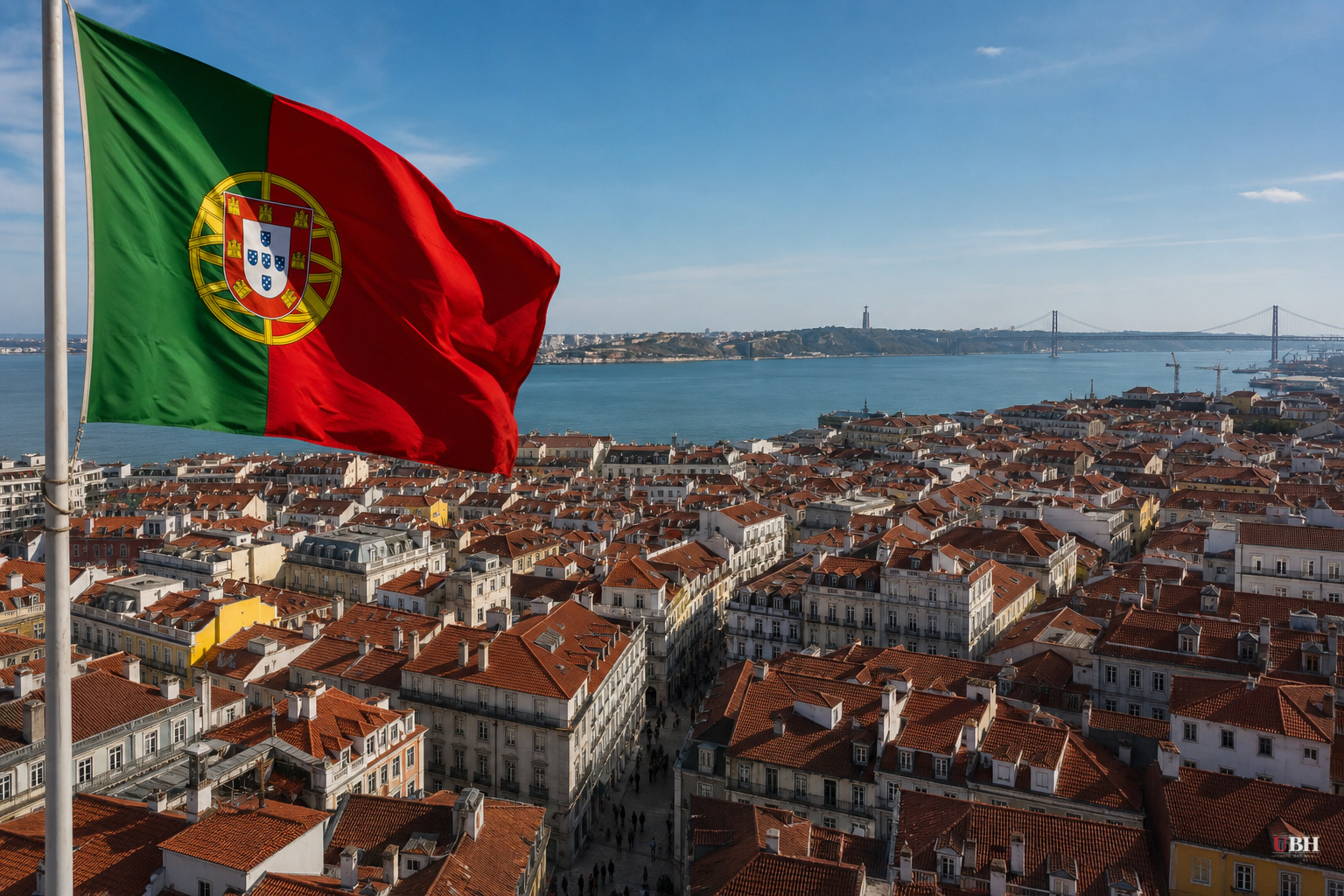
Portugal just joined a growing list of European countries telling people they can't hide their face in public. President Antonio Jose Seguro signed the measure into law, according to AFP, enacting what local media call the "burqa law."
The text is simple. It bans clothing designed to conceal the face or block identification in public spaces. It also makes it illegal to force someone to cover their face because of gender, religion, age or origin. Fines range from 150 to 3,000 euros, roughly $175 to $3,500.
There are real exemptions. Health reasons, professional requirements, artistic performances, bad weather, places of worship, diplomatic missions and airplanes are all carved out, according to Euronews and The Portugal News. This isn't a ban on headscarves or hijabs. It targets garments that fully cover the face, like the burqa and niqab.
Who Actually Voted for This
The bill came from André Ventura's Chega party, Portugal's populist right insurgents, and passed parliament in July with backing from the governing center-right Social Democratic Party (PSD) coalition, plus Iniciativa Liberal and the conservative People's Party, according to Breitbart. Every left-wing party voted no.
Ventura has been blunt about his reasoning, describing the spread of full-face Islamic coverings in Europe as turning women into objects with no rights, as if they weren't people, according to Breitbart's reporting. He argues this isn't about religious freedom, saying that framing would open the door to justifying anything in religion's name.
Seguro himself is a Socialist Party politician, part of the left, and largely holds a ceremonial role as head of state. He still signed the law, arguing the uncovered face is central to human identity and communication and a baseline requirement for people to recognize each other in a democratic society. He specifically flagged that only women are expected to cover their entire face under these garments, calling that an asymmetry incompatible with equal dignity between men and women.
The Opposition's Case
The Socialist Party said the bill's own explanatory memorandum showed an Islamophobic purpose, and warned it puts targeted religious communities at real risk, according to Euronews. The Portuguese Communist Party went further, saying the measure had nothing to do with women's rights or security, and existed purely to fuel hate speech and racist rhetoric against people who are different.
The green-left Livre party accused the right of manufacturing a moral panic over an "Islamic invasion" narrative to score political points, per cde.news. And it's not just left-wing politicians raising flags. The Portuguese Bar Association, the High Council of the Public Prosecutor's Office, and the Portuguese Association of Women Lawyers all issued negative opinions on the bill, citing concerns it may be unconstitutional, according to Euronews and The Portugal News.
Amnesty International has separately argued, per WION, that these kinds of bans disproportionately target Muslim women, limit religious freedom and restrict personal autonomy. Rights campaigners quoted by The Straits Times make a pointed argument: a law that tells women what they cannot wear is still a law telling women what to wear, just from the opposite direction of the practices it claims to oppose.
A government mandating exposed faces is still a government mandating what goes on your body. Whether that's a justified trade-off for a shared public-safety and identification standard, or government overreach into personal and religious choice, is something reasonable people assess differently.
Portugal Isn't Alone
France banned full-face veils first, back in 2011. Austria, Belgium, Denmark and the Netherlands followed, according to Breitbart. WION counts at least 24 countries worldwide with full or partial bans, spanning Europe, Africa and Asia. Italian Prime Minister Giorgia Meloni's Brothers of Italy party has a similar bill pending in Rome. Spain's Balearic Islands government is weighing its own ban, pushed by Vox and the People's Party, with Vox floating a total ban, fines and prison time for anyone who coerces a woman into wearing a face covering, according to the Daily Mail.
What's Unresolved
The Portuguese Bar Association's constitutional concerns haven't been tested in court yet. No legal challenge has been filed as of this writing, based on available reporting. The fines start applying immediately, and enforcement will be the thing to watch.
Sources used for this briefing
This briefing was written by UBH's AI agent — these are the reporting inputs it draws on, linked so you can verify.


