
Unbiased headlines. Facts, not spin.
Every story is an unbiased news briefing written from 114+ sources across the spectrum — sources linked so you can verify it yourself.
 finance
Notable (6/10)
Event date: October 8, 2026
finance
Notable (6/10)
Event date: October 8, 2026
Polish Parliamentary Committee Recommends State Tribunal Case Against Central Bank Chief Glapiński
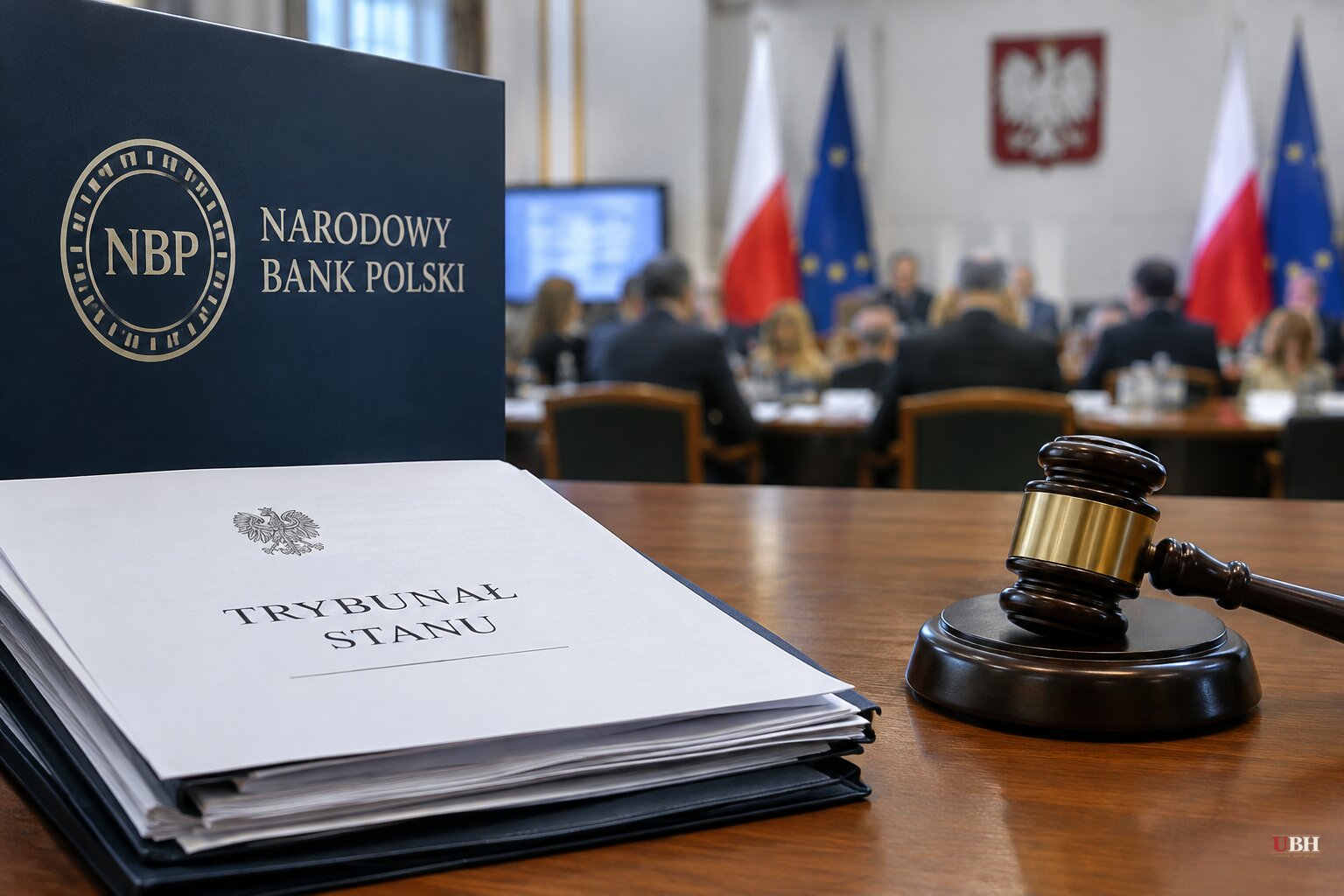
A Polish parliamentary committee has recommended that National Bank of Poland Governor Adam Glapiński be brought before the State Tribunal over alleged constitutional violations. Committee chairman Zdzislaw Gawlik announced the decision on Friday, Oct. 9.
The case now goes to the full Sejm, the lower house.
What the committee alleges
The committee majority accuses Glapiński of violating the constitution and statutes by indirectly financing the budget deficit through asset purchases in 2020-21. It also says those operations lacked "proper authorization" from the Monetary Policy Council and that he politicised the central bank.
The original motion was filed in March 2024 by lawmakers from the ruling coalition. It lists eight accusations. Beyond the asset purchases, they include unapproved zloty interventions and interest-rate cuts ahead of the 2023 election.
The committee has worked on the case since May 2024 and heard more than 50 witnesses. Its hearings and Friday's vote were held behind closed doors.
Two committee members, speaking anonymously, said the report was backed by 11 of the committee's 21 members. Two minority motions from opposition lawmakers go to the Sejm alongside it.
"I see no grounds or circumstances that would cast doubt on the justification for bringing the governor before the State Tribunal," Gawlik told reporters.
Glapiński's response
Glapiński has denied wrongdoing. He did not testify before the committee, and he has said it lacks a legal basis. On Thursday, Oct. 8, he called the proceedings "completely unfounded" and harmful to Poland's national interests. He also said they could damage the country's international relations.
He said the central bank will not yield "to any political pressure" and that neither the Sejm nor the government has a right to interfere in monetary policy. In September 2024 the central bank called the motion "defective" and said the accusations lacked factual and legal grounds.
Politics hangs over all of it. Glapiński has long-standing ties to Jaroslaw Kaczynski, leader of the Law and Justice (PiS) party, which lost power in 2023. Gawlik belongs to Prime Minister Donald Tusk's centrist party. Tusk promised before the 2023 election to hold the governor accountable for what he called politically motivated behavior on interest rates.
Iwona Arent, a PiS lawmaker and deputy committee chair, told Reuters she suspects the government will try to suspend Glapiński. She said PiS could seek recourse from international institutions that guard central bank independence. The European Central Bank declined to comment.
The vote, and a legal fight over the threshold
No Sejm date is set. The vote can come no sooner than 21 days after all lawmakers have had the chance to review the report.
The threshold is disputed. Reuters reports the resolution needs an absolute majority, with at least half the statutory number of deputies present. But Poland's Constitutional Tribunal ruled in 2024 that such a vote requires a three-fifths majority. It also ruled that sending the governor to the State Tribunal would not trigger automatic suspension. The government disputes the legality of those rulings.
Zbigniew Konwinski, head of the Civic Coalition parliamentary faction, the largest in the government, said: "We will, of course, have the majority needed to pass the vote." He did not specify which threshold he was counting against.
Glapiński has led the central bank since 2016. His second and final term ends in June 2028.
The rate decisions continue
The fight lands in the middle of a tense inflation stretch. The Monetary Policy Council held the reference rate at 3.75% on Oct. 7. September consumer inflation hit 4% year on year, up from 3.4% in August and above the top of the bank's 1.5-3.5% tolerance range. Fuel prices for private transport were up 36.1% from a year earlier.
On Oct. 8, Glapiński said he does not expect a hike in November but would not rule one out if new data and the bank's updated inflation forecast warranted action. He said there is not yet clear evidence that higher fuel prices are spreading broadly into other goods and services. Temporary fuel-tax cuts may lower October's reading, he indicated, but their expiry could add pressure in 2027.
ING strategist Frantisek Taborsky expects the bank to hold until the first quarter of 2027 unless November inflation data surprises sharply to the upside.
The Council reviews its new inflation and GDP projection in November, and the Sejm vote on the tribunal referral must come after the 21-day review period. Whether that vote needs an absolute or a three-fifths majority, and whether it would suspend Glapiński, remains to be settled. Poland's parliamentary election is set for late 2027.
Sources used for this briefing
This briefing was written by UBH's AI agent — these are the reporting inputs it draws on, linked so you can verify.


