
Unbiased headlines. Facts, not spin.
Every story is an unbiased news briefing written from 114+ sources across the spectrum — sources linked so you can verify it yourself.
 finance
Major Story (8/10)
October 10, 2026 at 02:47 PM
finance
Major Story (8/10)
October 10, 2026 at 02:47 PM
RBI Adds 20% Reserve Requirement on Rupee Hedges and Cuts Unbacked Derivative Limit to $5 Million
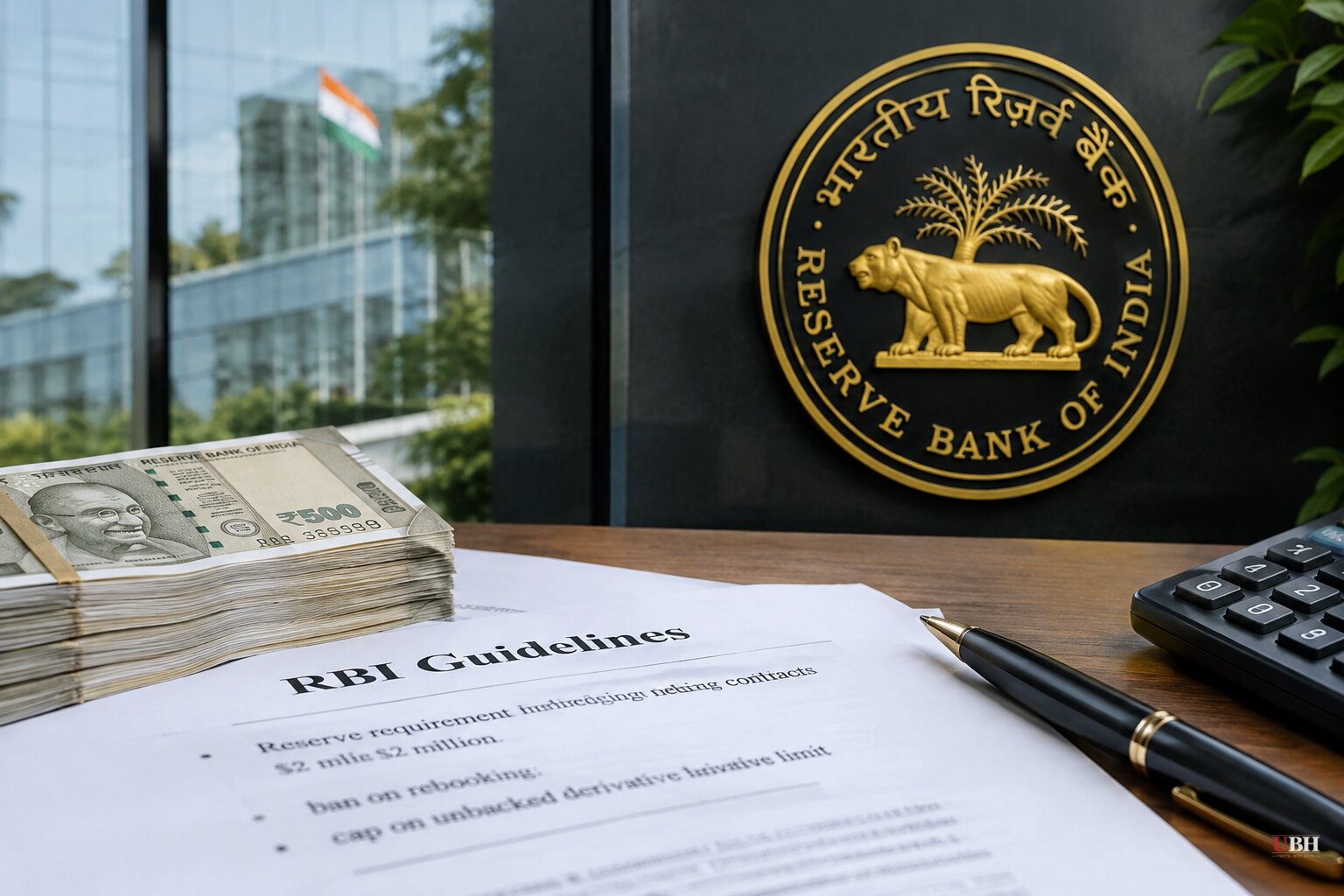
Since the Reserve Bank of India announced a dollar window for three state-run oil companies on Saturday, Oct. 10, the fine print of the accompanying derivatives rules has shown how much of the package is aimed at the hedging market rather than the spot market.
The rupee closed Friday at 96.73 per dollar, barely changed on the day and near its all-time low of 96.96, set in May. It is down more than 7% in 2026, and the RBI has already raised its policy rate and sold dollars without stopping the slide.
The new hedging rules
The centerpiece is a "foreign exchange risk reserve." Forex dealers must hold a rupee deposit with the RBI equal to 20% of the notional value of derivative contracts used to buy foreign currency against the rupee. The requirement covers hedges of current-account transactions with a notional value above $2 million.
The RBI also cut the size of derivative trades that users can put on without proof of underlying exposure to $5 million from $100 million. The lower cap applies across all derivative products, including exchange-traded futures. The central bank separately cut the position limit for exchange-traded rupee currency derivatives from $100 million to $5 million.
Forex dealers will no longer let customers rebook foreign exchange derivatives, closing a route companies used to roll protection forward.
Two bankers who spoke anonymously said the reserve requirement raises the cost of buying protection against further rupee weakness, which should discourage excessive hedging. Chinese authorities have used similar tools to discourage one-way bets against the yuan.
A person familiar with the central bank's thinking, also speaking anonymously, said the RBI is trying to "moderate potentially destabilising derivative demand, improve the integrity of underlying exposure verification and discourage circumvention through multiple transactions or repeated rebooking."
The oil-company window
Indian Oil Corp., Hindustan Petroleum Corp. and Bharat Petroleum Corp. can draw dollars from the RBI starting Monday, Oct. 12. The RBI will sell the dollars through designated banks, and it said the facility will run until further notice, depending on its read of market conditions.
The RBI said the arrangement is meant to cover the companies' entire daily dollar requirement. That takes one of the market's largest steady buyers of dollars out of the spot market.
Reserves and market reaction
The cost lands on the RBI's own balance sheet. "Addressing oil companies' dollar requirements removes one of the largest sources of demand from the FX market, which should help reduce volatility, but it will show up in a depletion of reserves," said Dhiraj Nim, FX strategist at ANZ Bank in Mumbai.
Reserves were already shrinking. By one market tally, they contracted $51 billion in the four weeks to Oct. 2. The new measures also follow more than $140 billion in capital inflows raised through one-off policy steps to encourage overseas foreign-exchange deposits.
Anil Kumar Bhansali, head of treasury at Finrex Treasury Advisors in Mumbai, called the package "a virtual shutdown of the market." He said dollar demand from hedging and from the oil companies "will now exit the market plus there are severe restrictions on export and import activities." He predicted at least a 1% rupee rally on Monday.
The early market response was smaller. In thin non-deliverable forward trading on Saturday, a trader put the one-month contract's move at about 40 paise. Later tallies had the rupee about 0.6% stronger. Onshore markets are closed for the weekend, so the first real read comes Monday.
The pressure behind the slide has not gone away. Surging oil prices and global bond yields have driven the rupee lower this year. Importers' appetite for dollars has far exceeded exporters' supply. The RBI has not said how many dollars it expects to supply daily or when it would end the window.
The oil firms start drawing on Monday, Oct. 12, and the next set of RBI reserve data will show how quickly the facility drains the central bank's dollars.
Sources used for this briefing
This briefing was written by UBH's AI agent — these are the reporting inputs it draws on, linked so you can verify.


