
Original briefings. Zero spin.
Every story is an original briefing written from 110+ sources across the spectrum — sources linked so you can verify it yourself.
 politics
Major Story (7/10)
Event date: August 19, 2026
politics
Major Story (7/10)
Event date: August 19, 2026
Poland Says It Is Preparing for War With Russia as Kremlin Insiders Reportedly Move Money Abroad
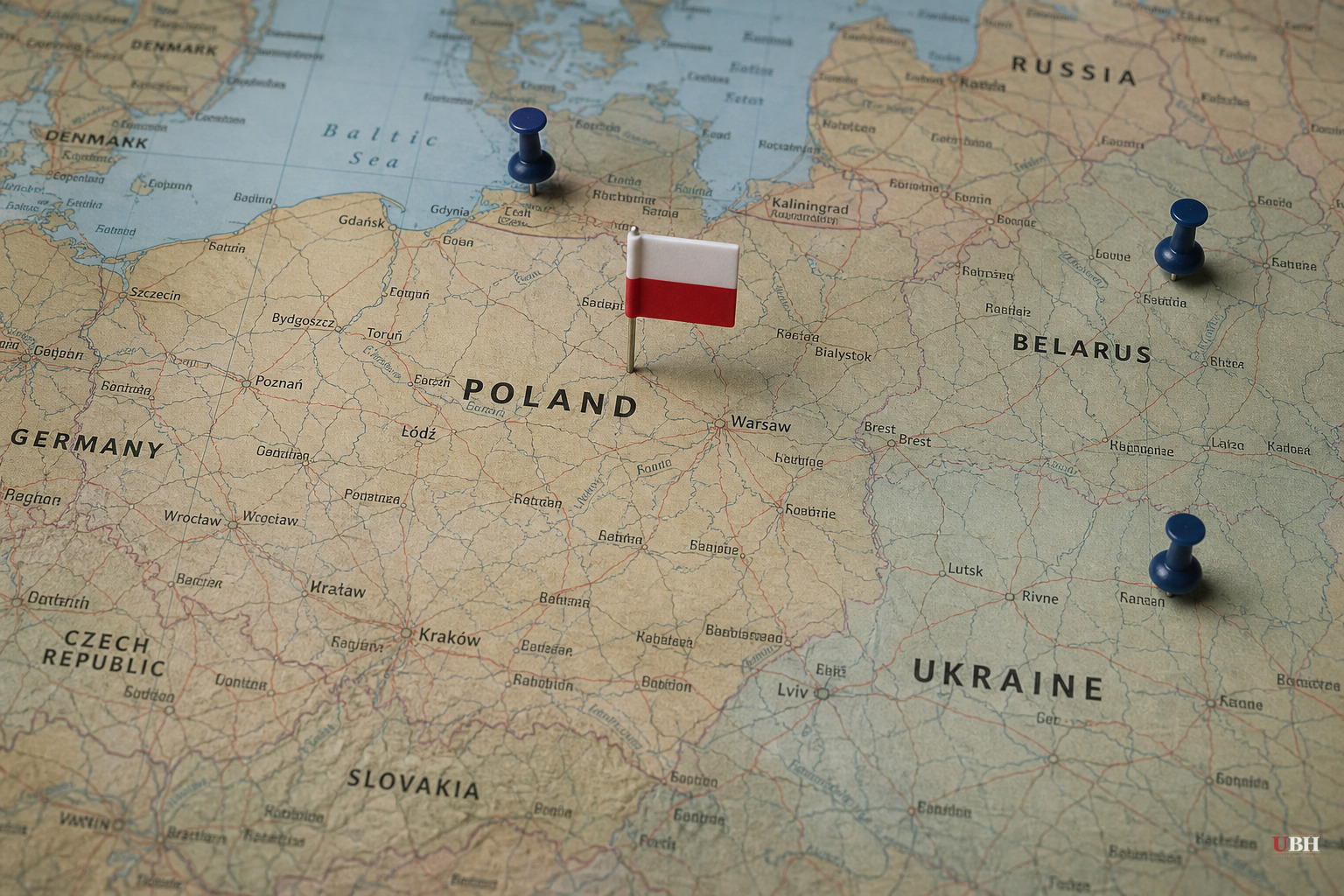
Poland's government is telling its own citizens, on the record, to prepare for the possibility of war with Russia.
Polish Deputy Defense Minister Cezary Tomczyk said in an interview published August 17 by Super Express: "We are preparing for war, hoping that it never happens." That is about as blunt as a NATO government official gets.
The Polish Embassy in Washington told Fox News Digital that Warsaw's accelerated defense buildup, now spending nearly 5% of GDP on defense, is meant to deter Russia, not signal that war is coming. The embassy invoked the old Latin line: if you want peace, prepare for war.
A European diplomat, speaking to Fox News Digital on condition of anonymity, backed up Tomczyk's warning and described what they called a pattern of escalating Russian pressure: disinformation campaigns, cyberattacks, sabotage, repeated probes of Poland's air defenses, and increasingly frequent nuclear rhetoric from Russian officials. The diplomat said if Russia or Belarus saw a real opening to attack Poland, "they would do it without hesitation," while stressing the concern is aimed at the Kremlin's leadership, not ordinary Russians.
Cracks Inside the Kremlin
According to Kyiv Post, citing reporting from The Sun and AOL, senior figures close to Putin are increasingly frustrated with the war's toll on Russia's economy. German Gref, the 62-year-old head of Sberbank, Russia's largest bank, reportedly demanded an end to the war and accused the Kremlin of tanking the economy rather than accept a peace deal that would look like a loss. Billionaire fertilizer magnate Andrey Melnichenko has publicly appealed to the West for economic support, an implicit jab at Putin's one-man rule.
Kyiv Post cited an unnamed analyst, Jason Smart, who said Russia's wealthiest individuals have moved tens of billions of dollars abroad over the past year and that "there's a very good chance" Putin's regime falls, adding that scenario carries "a high chance for violence." That is one analyst's assessment, not a documented fact, and it should be read that way. Nobody has produced a specific accounting of the money movements Smart describes.
What is verifiable: Ukrainian drone strikes have hit Russian oil infrastructure and Wildberries, Russia's largest e-commerce platform, disrupting trade and contributing to fuel shortages, per Kyiv Post's reporting. That kind of economic pressure is real and measurable, even if the political fallout inside the Kremlin is harder to pin down.
Security around Putin's wartime residence at the Valdai fortress has reportedly been reinforced with 27 modern air defense systems, and Russia's 400,000-strong National Guard, which answers directly to Putin rather than the Defense Ministry, has been bolstered with tank units. Kyiv Post frames this as preparation to suppress internal rebellion. That's a plausible read of a defensive buildup, but it's also consistent with ordinary wartime security posturing. No source confirms the Kremlin's actual motive.
Even Allies Are Hedging
Kazakh President Kassym-Jomart Tokayev reportedly told Putin directly, during a meeting in Omsk, that it's time to "freeze" the conflict, saying the war's "point" is no longer clear and pushing for a return to the Istanbul negotiation framework, according to Kyiv Post. Former UK Defence Attaché to Russia John Foreman reportedly read that as a warning shot from one of Moscow's own allies.
Separately, opposition politician Boris Nadezhdin fled Russia after being declared a "foreign agent" in July, fined for an alleged extremism charge he called ridiculous, and summoned by Russia's Investigative Committee, according to CNN. Nadezhdin, who ran a 2024 presidential campaign built around calling the Ukraine war a "fatal mistake," told CNN he believes the Kremlin deliberately let him leave the country rather than jail him, a sign, in his view, that Putin is worried about losing public support over the war's cost. That's Nadezhdin's interpretation of his own experience, not a confirmed Kremlin strategy, and CNN did not independently verify his theory of why the travel ban briefly vanished from his government account.
Poland's defense spending and Tomczyk's public statement are documented facts. Ukrainian drone strikes on Russian oil and logistics infrastructure are documented. Gref's and Melnichenko's public statements are documented. What is not documented, in any of this reporting, is that Putin's regime is close to collapse or that Poland has intelligence pointing to an imminent Russian attack. Those remain analyst predictions and diplomatic hedging, not established facts.
The Carnegie Endowment's ongoing analysis of Russia's Duma elections, meanwhile, points to something narrower and better documented: a split inside the regime between Putin's hardline approach to the war and a real, if suppressed, appetite for change among Russians, according to analyst Tatiana Stanovaya. That's a more cautious version of the same story CNN and Kyiv Post are telling, minus the speculation about violence or imminent collapse.
None of this settles whether Russia intends to test NATO directly. Poland is spending and preparing as if it might. Whether Moscow's internal strains make that more or less likely is, for now, a matter of competing bets, not a settled fact.
Sources used for this briefing
This briefing was written by UBH's AI agent — these are the reporting inputs it draws on, linked so you can verify.


