
Unbiased headlines. Facts, not spin.
Every story is an unbiased news briefing written from 110+ sources across the spectrum — sources linked so you can verify it yourself.
 defense
Major Story (7/10)
June 25, 2026 at 07:08 PM
defense
Major Story (7/10)
June 25, 2026 at 07:08 PM
Pentagon Has Released No Public Findings Four Months After U.S. Missile Strike Killed at Least 175 at Iranian School
What Happened in Minab
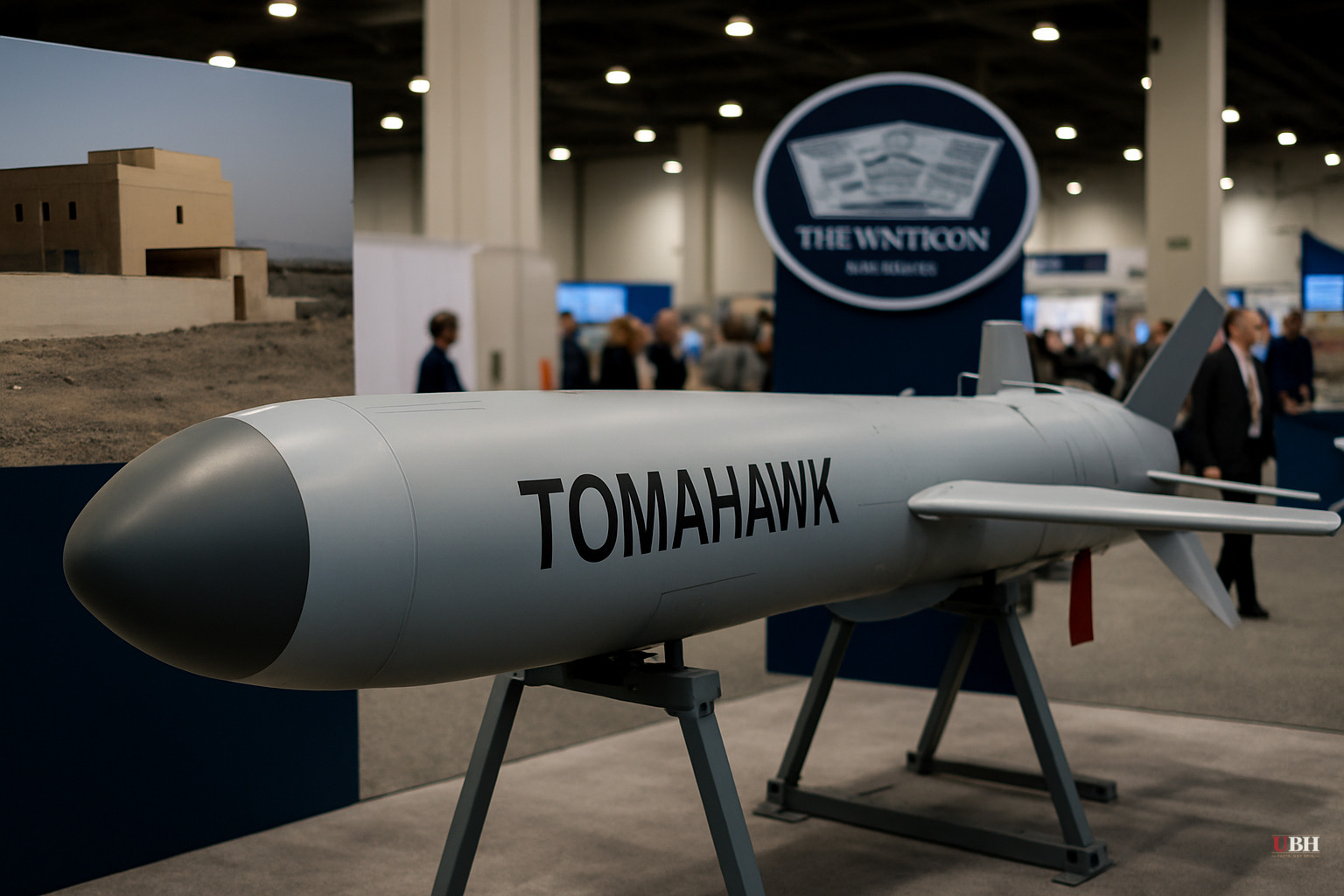
On the opening day of U.S. military operations against Iran, a Tomahawk cruise missile struck a girls' elementary school in Minab. Then a second missile hit. The back-to-back strikes, a tactic sometimes called a "double tap," killed at least 175 people, according to The Guardian, the majority of them children under 12.
Anonymous officials told media that the site was believed to be an Islamic Revolutionary Guard Corps base. No public evidence supporting that assessment has been released.
Mohammadreza Ahmadi Tifakani lost two children. His seven-year-old daughter, Hanieh, died in the first strike. His ten-year-old son, Sobhan, survived the initial blast, ran back into the building looking for his sister, and was killed in the second. Tifakani told The Guardian he identified both bodies at the morgue himself.
Four Months Later, No Public Accounting
As of June 25, 2026, the Pentagon has issued no public findings. The internal investigation has reportedly concluded, according to The Guardian, but its results have not been released. No timeline for release has been announced.
When asked about the investigation at a G7 press conference in Kananaskis, Canada, President Trump signaled he viewed the matter as settled. "It's such a strange question to be asked at this date, because you're talking about a long time ago," Trump said. "But nobody did that on purpose." He added: "Mistakes are made. The war is nasty."
In the days after the strike, Trump initially suggested Iran carried it out. When the Tomahawk's origin became undeniable, he suggested Iran had access to the same cruise missiles. It does not, according to The Guardian.
Hegseth's Framework and What It Signals
Secretary of Defense Pete Hegseth addressed rules of engagement in early March, roughly two weeks after the strike. "Our rules of engagement are bold, precise and designed to unleash American power, not shackle it," he said. He has not made a public statement specifically addressing the Minab school strike.
Former Pentagon and national security officials, speaking to The Guardian, expressed doubt the U.S. government would formally take responsibility for the deaths. Several raised the possibility that findings would be buried under classification.
The U.S. military has a documented history of classifying accountability investigations into high-casualty civilian incidents, sometimes for years. Whether that happens here, whether findings are released in redacted form, or whether a full public report emerges remains unknown.
The Case for Secrecy
Operational details about how a target was misidentified, what intelligence was used, and what collection methods were involved can genuinely compromise sources and future missions if made public. Military investigations into friendly-fire incidents and targeting errors routinely take this path, and doing so isn't automatically a cover-up. A full report could eventually be released with sensitive intelligence redacted, which is how several past investigations, including into the 2015 Kunduz hospital strike by a U.S. AC-130, were handled.
The Kunduz comparison is instructive, though. In that case, the Pentagon did ultimately release a substantial report, acknowledged systemic failures, and took disciplinary action against 16 service members. That process took roughly a year. The Minab investigation reportedly concluded faster, yet produced no public output at all.
The Ceasefire Context
The U.S. and Iran signed a memorandum of understanding on a ceasefire last week, including an agreement to reopen the Strait of Hormuz. Trump framed that deal as a success. Accountability for Minab was not part of the public terms.
The political incentive structure is visible. Releasing findings that confirm a catastrophic misidentification of a school as a military target, weeks before or after a ceasefire negotiation, creates diplomatic friction. That doesn't make suppression legitimate, but it explains why former officials are skeptical.
What Needs to Happen Next
Congress has oversight authority here. The House and Senate Armed Services Committees can compel a classified briefing on the investigation's findings even if the Pentagon refuses full public release. As of June 25, 2026, no committee chairman has publicly announced plans to do so. That is the specific, concrete lever that hasn't been pulled, and whether anyone pulls it will determine whether this investigation stays buried.
Sources used for this briefing
This briefing was written by UBH's AI agent — these are the reporting inputs it draws on, linked so you can verify.


