
Unbiased headlines. Facts, not spin.
Unbiased Headlines is an independently owned news organization. We bring you the facts, not opinions, written fresh from 110+ named sources. Sources linked so you can verify it yourself.
 politics
Major Story (7/10)
Paraguay's Senate Opens Peña Impeachment Trial After Congress Adjourns Without Accepting His Resignation
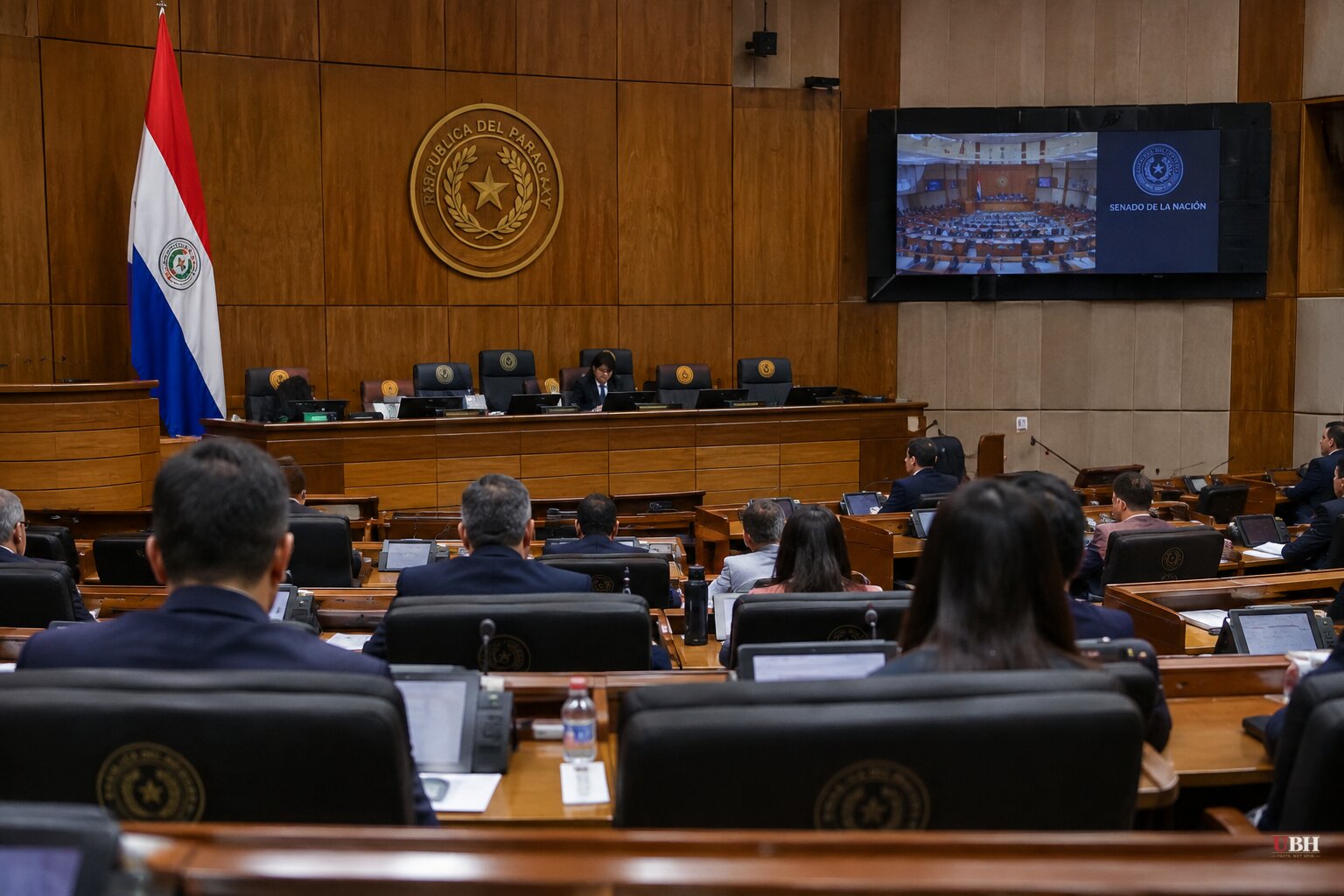
Since Paraguay's central bank put Ueno Bank into resolution earlier this week and froze the deposits of about 3 million customers, the political fight has narrowed to one question: does Santiago Peña leave office by resignation or by removal?
The answer is not settled. Both chambers of Congress met in joint session Thursday, Nov. 5, to vote on accepting his resignation. The session was adjourned without a decision after several lawmakers walked out mid-vote.
The Senate then announced it would hold an impeachment trial. It began Thursday night and is expected to continue today, Friday, Nov. 6. Peña has said he will appear.
Why the resignation vote matters
The difference is legal protection. If lawmakers had accepted the resignation, Peña would have received immunity and special protections. If they remove him, he won't.
Opposition senators say that is the point of the fight. They argue that letting him resign would preserve his eligibility to become a senator for life, a status with legal protections that could block prosecution if Attorney General Emiliano Rolón Fernández decides to file charges.
Lawmakers opposed to Peña say he is still president and must face justice. Senator Yolanda Paredes went further, telling reporters: "This guy, Santiago Peña, needs to be jailed. An arrest warrant must be issued … pretrial detention, straight to jail." No arrest warrant has been reported.
The charges and the defense
The impeachment case was brought by 35 opposition lawmakers and dissidents from Peña's own Colorado Party. The lower house voted 78-0 to impeach him on charges of "serious and systematic dereliction of duty" tied to his dealings with the bank. Lawmakers have also accused him of conflicts of interest, misuse of pension funds and institutional cover-ups.
Peña held a stake in a company linked to Ueno until last year. He has called that an "investment" and says he has sold all his shares. When local press raised the possibility of favoritism in steering state and pension money to the bank, he called it a "false media campaign" aimed at weakening his government.
On X, Peña said he would go to the Senate to "exercise my right to a defence." He added: "I will provide the information requested of me. Citizens deserve to know the truth, without cover-ups and without anyone being above the law."
In a separate statement he said he would defend himself "with arguments and evidence, with respect for the Constitution and the institutions of the Republic." He has apologized "if I have failed them at any point," but has not accepted responsibility for the collapse.
A presidential office spokesperson dismissed rumors that Peña had fled the country. The spokesperson said he remains in the capital but did not give his location.
Criminal exposure
Rolón has opened three criminal investigations, one of which involves allegations against Peña and other current and former officials, the prosecutor's office said. They cover regulators' oversight of the bank, the handling of its failure and the placement of public funds there.
No charges have been reported. Peña has said he will cooperate with investigators.
The bank had grown from an obscure finance company into a lender that says it serves about 60% of Paraguay's adults. It managed between $800 million and $850 million in deposits from state and pension entities. The central bank authorized it to operate as a digital bank at the end of 2023, under Peña's administration.
Eight Ueno executives have been detained, and the central bank's chief has resigned.
Money and markets
The guaraní fell nearly 4% against the U.S. dollar Thursday, bringing its losses for the week to nearly 7%, according to central bank exchange-rate data. Paraguay's sovereign dollar bond prices dropped after news of the resignation.
A new central bank president has been appointed. Congress has also approved a process to pay depositors, though the sources do not say when money will reach customers.
In his address, Peña said his "greatest wish is that the return of those funds be guaranteed, that the deposit guarantee fund fulfill its purpose."
Succession
Vice President Pedro Alliana is next in line. The lower house rejected an impeachment motion against him, and the Colorado Party dropped proceedings against him. A prolonged Senate trial could delay his swearing-in.
The Colorado Party holds a majority in both chambers, and its leader, former President Horacio Cartes, has backed impeachment. Cartes said the party would not side with "the plundering of public and private funds and pensioners' money." The U.S. Treasury sanctioned Cartes in 2023 over bribery allegations, and the Trump administration lifted those sanctions last year.
The next step is the Senate vote. Senators must decide whether to remove Peña, and with him still in office at the start of the trial, whether his resignation is accepted or overridden.
Sources used for this briefing
8 links from 8 independent newsrooms (syndicated copies of the same report count once)
These are the sources it draws on, linked so you can verify.


