
Unbiased headlines. Facts, not spin.
Unbiased Headlines is an independently owned news organization. We bring you the facts, not opinions, written fresh from 110+ named sources. Sources linked so you can verify it yourself.
 politics
Major Story (7/10)
Event date: November 2, 2026 ·
Hegseth Ordered Pentagon Intelligence Agencies to Guard the Midterms as Election Officials Say Federal Threat Sharing Frayed
Voting ended Tuesday, Nov. 3. Two days later, the question hanging over the midterms is less whether foreign governments tried to interfere than whether the federal government could tell the people running the elections about it.
The answer, according to the people who run elections, is not much.
The Pentagon's September order
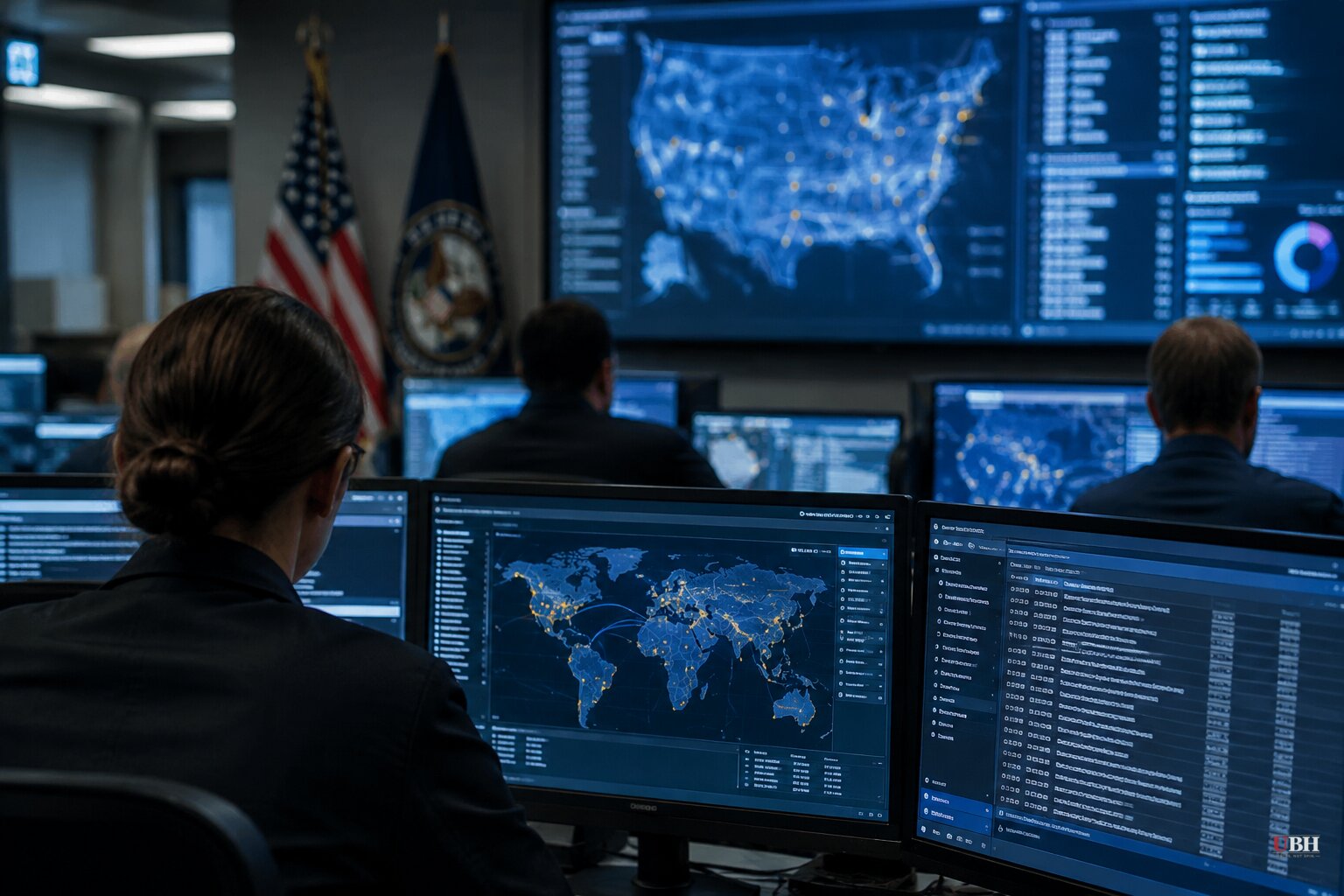
In September, Defense Secretary Pete Hegseth, who carries the title Secretary of War, directed the department's intelligence apparatus to treat election security as a "no-fail mission." The order reaches beyond U.S. Cyber Command and the National Security Agency. It covers the entire Defense Intelligence Enterprise, including the military and geospatial intelligence agencies, and tells them to "mobilize every authorized asset, capability, and partnership" against foreign election threats.
In practice, that means military intelligence units hunting foreign hackers and influence operations overseas, warning civilian agencies about threats headed for U.S. targets and, when authorized, Cyber Command acting against the actors or infrastructure behind them.
The military's role largely stops at the border. State and local officials run elections. The FBI and the Department of Homeland Security handle the domestic side.
The mission is not new. Cyber Command and NSA have spent years tracking and disrupting foreign threats around American elections, including operations against Russian actors in earlier cycles. The Department of War declined to say how the order is being implemented, and Cyber Command declined an interview request about its election work. How much Hegseth's directive changed existing operations remains unanswered.
The domestic handoff
The weak point is the handoff from federal agencies to the states. CNN interviewed nearly a dozen election security experts, who said the channels for relaying foreign-threat information to election officials are the weakest since the 2016 vote.
The Cybersecurity and Infrastructure Security Agency, the DHS arm that coordinated with election officials during Trump's first term, was gutted during his second, according to those sources. The administration has tried to rebuild its election-security work in recent months, but with little effect, they told CNN.
A late DHS effort to stand up an online platform for sharing threat intelligence lacks the credibility with election officials that past efforts had, people familiar with the matter said. In mid-October, a long-awaited classified briefing for election officials, the first since the 2024 cycle, was marred when federal officials could not get the video call to work. It was rescheduled and went off without those problems.
Ryan Macias, a longtime election security expert and former CISA consultant, put it bluntly: "The relationship between elections officials and the federal government has broken down." He said officials often do not know whom to call when a cyber or physical incident hits.
David Becker, a former Justice Department attorney who co-founded the Center for Election Innovation and Research and works with officials from both parties, said: "I don't know a single election official, Democrat or Republican, who is actively sharing cybersecurity information with the feds this time around." He called that a stark contrast to the past four federal elections.
The sources also said the administration's pursuit of election-fraud theories and its willingness to intervene in state-run elections have left administrators skeptical of its motives. That is the view of the election officials and experts quoted, not an established finding about the administration's intent.
What the adversaries were doing
The threat activity was real. Researchers who track online influence operations and lawmakers briefed by the intelligence community told NPR that Kremlin-backed groups revived familiar tactics: fabricated claims about Democratic candidates, AI-manipulated celebrity videos, and fake posts impersonating real news outlets.
Rep. Jim Himes of Connecticut, the ranking Democrat on the House intelligence committee, described it this way: "It's a carnival out there. They're throwing everything out there to generate a sense of chaos and anarchy."
Darren Linvill, co-director of Clemson University's Media Forensics Hub, said Russia's main objective is Ukraine. He described a consistent playbook: seed a false claim on social media or a fake news-style site, then spread it through state media, automated accounts and, increasingly, paid influencers.
That week, researchers including Linvill attributed two fraudulent videos targeting a Democratic Senate candidate to Storm-1516, a Russian operator known for staging fake videos with actors. The videos were posted Tuesday on X by an account created last month with few followers. X flagged the account as possibly using a proxy to disguise its location.
China was also active. Researchers detected a China-linked operation using older, repurposed social media accounts to pose as American voters and push divisive content ahead of the election, according to The Epoch Times.
Did it work?
So far, the evidence points to limited effect. The New York Times reports that Russia was linked to influence campaigns targeting Democrats that gained little traction, and that the Kremlin may be more focused on France's elections this spring.
That finding comes with a caveat that cuts both ways. A weak result does not show the defenses worked, and it does not show they failed. With threat sharing between Washington and the states in the condition election officials describe, the public has little way to know how much was caught, by whom, or how fast.
Politics is already attached. NPR reports that the top two Democrats on the intelligence committees said they were preparing for President Trump to claim foreign meddling. The warning came before the vote. No evidence of outcome-changing interference has been presented.
There is also a plain governance question here, separate from party. The Pentagon has the spies and the cyber operators, but it cannot run an election or brief a county clerk. That job belongs to DHS and the FBI, and the officials who depend on them say the line is not working.
The unanswered items are concrete. The Department of War has not said what its September order changed. DHS has not shown that its new information-sharing platform won over election officials. And with France's spring elections ahead, the same Russian apparatus has a new target.
Sources used for this briefing
6 links from 6 independent newsrooms (syndicated copies of the same report count once)
These are the sources it draws on, linked so you can verify.


