
Unbiased headlines. Facts, not spin.
Unbiased Headlines is an independently owned news organization. We bring you the facts, not opinions, written fresh from 110+ named sources. Sources linked so you can verify it yourself.
 health
Major Story (7/10)
Event date: November 11, 2026 ·
Pará Declares 120-Day Fire Emergency as Amazon Fires Spread Under El Niño Drought
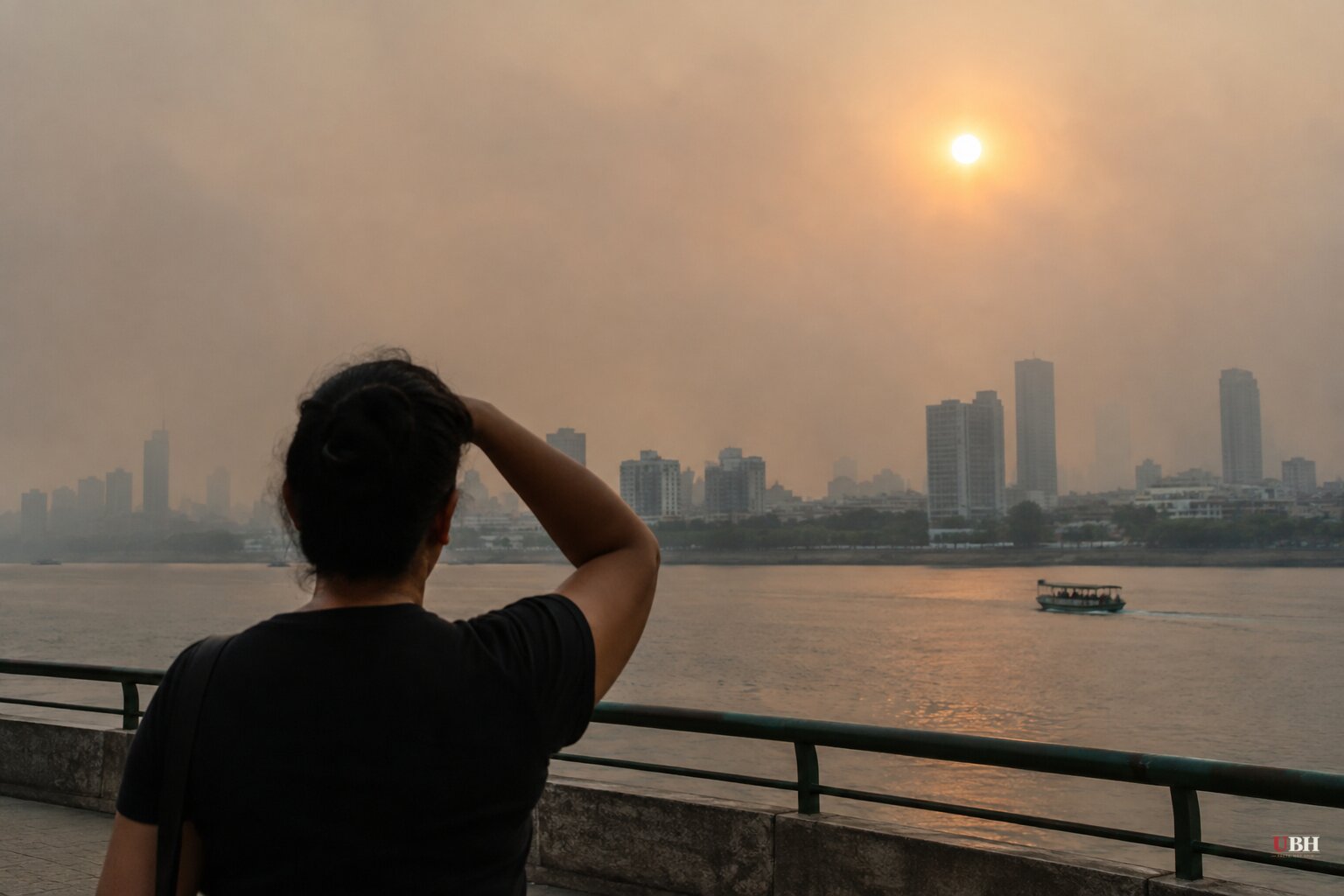
Since Manaus closed its schools in early October over smoke, the Amazon fire season has moved east. On Thursday, Nov. 12, the northern Brazilian state of Pará declared a 120-day environmental state of emergency, with the worst still forecast for December.
The numbers behind the order come from Brazil's National Institute for Space Research (INPE). Since the start of November, Pará has recorded more than 5,000 fires, almost as many as in all of November 2025. Nearly 700 were active in the last 48 hours before the announcement.
Pará has 8.7 million inhabitants. Its government said the drought is severe and that "parched vegetation is facilitating the spread of fire and threatening populations, forests and productive activities."
What the emergency order does
The declaration bans the use of fire to clear pastureland. It also mobilizes additional resources to put out active fires and head off new ones. It runs 120 days, which carries it into March.
The state's order does not say what is igniting the fires. The pasture-clearing ban points to land management as one concern, but no source in the reporting breaks down how many of the 5,000-plus fires were set deliberately and how many started some other way. Dry vegetation spreads fire. It does not start one.
Manaus set the pattern in October
The smoke crisis began in Amazonas. On Oct. 17, Manaus, the largest city in the Amazon, had the worst air quality in the world, with fine particulate concentrations nearly 30 times the World Health Organization's safe daily limit. Brazil's civil defense agency advised residents to wear N95 masks. Schools and universities suspended in-person classes.
INPE counted 2,271 fire hotspots in Amazonas alone in October, up 160 percent from the same month last year.
"What's burning around Manaus is forest," said Bernardo Flores, an ecologist at the Juruá Institute in Manaus who studies the rainforest's resilience. He expects "a year of fires."
A forest still recovering
The drought comes from El Niño, the periodic warming of the eastern Pacific that suppresses rainfall over northern South America. This one is already the strongest on record and may not peak for another month or two. Scientists expect it to be the most powerful ever recorded.
The forest is arriving at this event already damaged. It is still recovering from drought and fire tied to the 2023-2024 El Niño. In 2024, the Brazilian Amazon recorded a record number of forest fires. Decades of deforestation and warming have added to the strain.
Some researchers fear a tipping point. In their scenario, a self-reinforcing cycle of drying, tree death and fire would spread across the basin and, within decades, turn rainforest into savanna. That would release tens of billions of tons of carbon and shift rain and snowfall patterns worldwide.
That is a warning, not a measured outcome. The rainforest has long been able to recover from a single dry year on its own. What the researchers are asking is whether it can do so after back-to-back hits of this size.
The link between climate change and El Niño itself is also unsettled. Scientists are still working out how warming influences these events, and some research suggests rising temperatures have made them stronger.
Climate talks, fire season on a collision course
The emergency lands in the middle of the UN climate conference in Antalya, Turkey, where formal talks opened Wednesday. UN Secretary-General António Guterres told delegates the talks must prioritize ending fossil fuel reliance, adapting to a warmer world and increasing financial support for poorer countries.
Barbados Prime Minister Mia Mottley said "we did not try hard enough" on the 1.5-degree target. Palau President Surangel Whipps Jr. said, "We are at war with a crisis we did not create." Leaders said wars, inflation and geopolitical conflicts have pulled attention away from climate.
The UN said earlier this year that the world will inevitably warm beyond 1.5°C above preindustrial levels. The goal now is to limit how long and how far temperatures overshoot that mark.
What comes next
AFP reports that the Brazilian fire season is expected to peak in December. That means Pará's ban and extra firefighting resources face their hardest test in the weeks ahead. The state's order stays in force through the peak and beyond.
Whether the October hotspot surge in Amazonas and the November surge in Pará mark a spike or the start of the sustained fire year Flores expects will show up in INPE's satellite counts for December.
Sources used for this briefing
5 links from 5 independent newsrooms (syndicated copies of the same report count once)
These are the sources it draws on, linked so you can verify.


