
Unbiased headlines. Facts, not spin.
Unbiased Headlines is an independently owned news organization. We bring you the facts, not opinions, written fresh from 110+ named sources. Sources linked so you can verify it yourself.
 politics
Major Story (7/10)
Over 300 Italian Schools Evacuated After Emailed Bomb Threats Naming Meloni; Similar Hoaxes Hit Ireland and UK
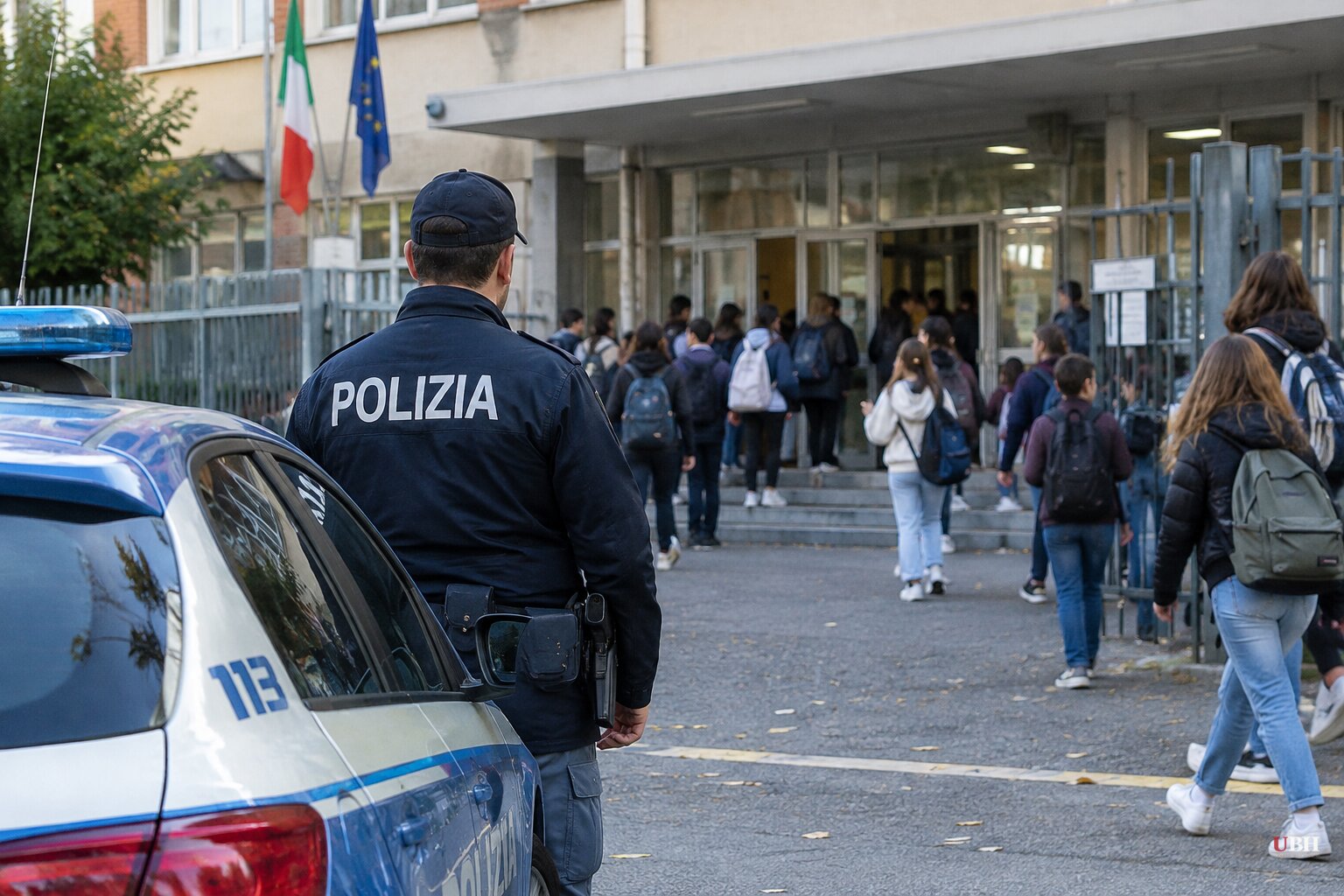
Since more than 20 European flights were hit with fake bomb threats on Nov. 5, the hoaxes have moved from airlines and newsrooms to classrooms. Today, Nov. 11, identical emails reached schools in Italy, Ireland, Northern Ireland and Scotland.
Italian Education Minister Giuseppe Valditara said 312 Italian schools were evacuated after receiving the threat. CBS News and the Times of India put the number of Italian schools that received the email at more than 6,000, with the 300-plus evacuations a fraction of that. No explosives or suspicious devices have been reported at any school.
What the email said
The message opened: "We have come to annihilate you. We will carry out genocide against the Italians." It claimed a "powerful explosive device" with a remote trigger had been left inside each building. It also claimed a bomb had been placed in the engine of Meloni's car.
It was signed "Mikhail Andropov, leader of the Vilayat of Misoginistan." The same name appeared on bomb threats emailed to newsrooms in Ireland and Bulgaria on Friday, and on a message to Rome airport authorities threatening two of the flights disrupted on Nov. 5. CBS News describes the group as a Russian misogynistic extremist outfit banned by Moscow years ago. An extremist group of that description has denied any link to the earlier flight hoaxes, according to the BBC.
Meloni, who did not address the personal threat in her statement, wrote on Facebook that checks showed no "concrete danger." She said the reports "appear to be linked to a strategy aimed at generating alarm and concern." She called ministers and intelligence chiefs together for later today.
Classes disrupted
Schools in Rome, Milan, Naples, Palermo, Bologna, Turin and other cities were affected. Police, bomb disposal teams and the Postal Police inspected buildings and are tracing where the messages came from.
At Rome's Mamiani high school, students walked into the street believing the alarm was the recess bell. They learned of the threat only once outside. "It was pretty violent," 18-year-old Anita Bartocci said of the email.
Umbria regional president Stefania Proietti said checks at schools there had come back negative. Many evacuations were lifted quickly and pupils went back to class.
This is the third wave against Italian schools in a month. Italian media reported earlier threats on Oct. 19 and Nov. 2, the latter reaching about 280 schools.
Ireland and the UK
The Irish police, the Garda, called the message a "generic communication" and "not credible," and advised no evacuations. Ireland's Department of Education said searches were optional and precautionary. Some schools in Dublin and Cork emptied anyway. The Limerick Leader reported that about 300 Irish schools got the email.
The Police Service of Northern Ireland said it was making "urgent inquiries" and treating the email as a hoax. More than 300 schools there were sent it. Police Scotland said the message originated outside the UK and "does not represent a credible threat," and did not require evacuations.
The timing is awkward for Dublin. Ireland is due to host about 50 European leaders and heads of international organizations at the European Political Community summit tomorrow, Thursday, Nov. 12.
Who is behind it
Nobody has said. Authorities have not attributed the school threats to any group or state, and no evidence has emerged linking them to a government.
The broader backdrop is a run of disruptions across Europe. France said Tuesday that cyberattacks on supermarket refrigeration systems were carried out by Shahid Kaveh, a cyber unit it says is affiliated with Iran's Revolutionary Guard. Iran called the accusation "baseless and malicious." Those attacks are a separate incident from the school emails, and no official has publicly tied the two together.
Italian officials disagree about how much to read into the pattern. Defense Minister Guido Crosetto called it "part of a strategy that is now clear, which is to sow terror or to create concern." He also said it need not be a hostile state: "It's not always the strategies of foreign countries or hostile forces; there are also mythomaniacs, madmen who, at a time like this, can't wait to unleash terror on a city." He added that anyone with the right tools could email a school, nursery or airline claiming a bomb.
Valditara voiced a similar caution, saying there is always a risk "that there is someone else behind the madman," but that with so many schools targeted, "the real risk is almost non-existent." He earlier called the episode probably a "cyber-attack, not a genuine risk."
Antonello Giannelli, president of the ANP association of Italian school heads, called the threats "clearly fake." He said that combined with today's communications tools, such hoaxes "can cause damage and disruption on a large scale."
That is the measurable result so far: hundreds of buildings emptied and thousands of classrooms disturbed by an email that cost its sender almost nothing to send.
What comes next
Meloni's meeting with ministers, intelligence officials and cybersecurity experts is set for later today. Crosetto said he will report to parliament on the incident and on wider security issues. Valditara said the number of affected schools is expected to rise. Italian investigators have yet to say whether the emails can be traced to a single origin, and they have not said whether the sender is a state, a group or an individual.
Sources used for this briefing
7 links from 7 independent newsrooms (syndicated copies of the same report count once)
These are the sources it draws on, linked so you can verify.


