
Unbiased headlines. Facts, not spin.
Unbiased Headlines is an independently owned news organization. We bring you the facts, not opinions, written fresh from 110+ named sources. Sources linked so you can verify it yourself.
 finance
Low Interest (4/10)
finance
Low Interest (4/10)
Otis Elevator Stock Is Down 15% This Year While It Fixes a Service Problem It Created
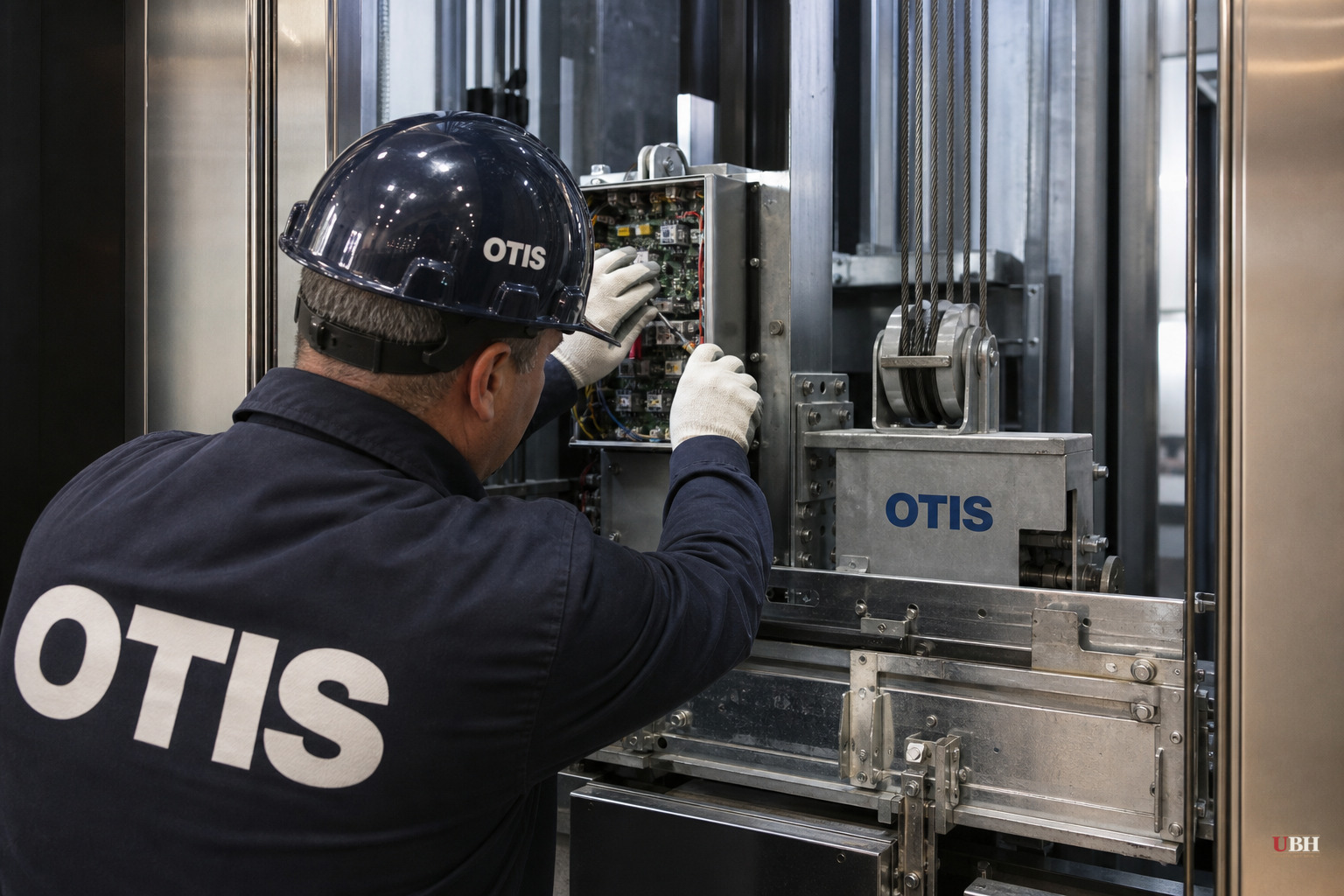
Otis Worldwide, the elevator giant spun off from United Technologies in 2020, generated more than $14 billion in revenue in 2025, according to CNBC. That's up roughly 13% since the spinoff. Sounds like a company doing fine.
The stock says otherwise. Otis shares are down about 15% year-to-date, underperforming both the broader industrial sector and the overall market, CNBC reported.
Two things are happening at once. Money has been flowing hard into AI-linked stocks, pulling cash away from steady industrial names like Otis, according to Melius Research global machinery analyst Robert Wertheimer. At the same time, Otis has an actual, self-inflicted problem in its core moneymaker: service.
The real business is servicing elevators, not building them
New elevator installation isn't where Otis makes its money. Operating profit margin on new equipment was just 4.8% in 2025, per CNBC.
The profit engine is servicing elevators after they're installed, maintenance, repairs, and eventually full modernization once a unit hits the 20-year mark. Otis CEO and Chair Judy Marks told CNBC that service "generates over 90% of our profits."
Otis services roughly 2.5 million elevators worldwide, up from more than 2 million in 2020. Service margins had been climbing steadily, hitting 25.5% by the end of 2025. Then they dropped 250 basis points in the first quarter of 2026.
The cause: retention. Fewer customers renewed their service contracts as Otis went into 2025, according to CNBC. Wertheimer said Otis has responded by hiring more people and prioritizing maintenance quality over squeezing extra revenue out of existing contracts, a trade that pleases customers but costs money up front.
Wertheimer's read is blunt. It's a fixable problem, and Otis is fixing it, but the timing was rough. The stumble hit right as investment dollars were already rotating out of steady industrials and into AI names.
A fair question: is "defensive" the right label?
Otis is pitching itself to investors as a defensive play, a steady compounder that keeps generating cash regardless of what the broader economy or markets are doing. Elevators need maintenance whether GDP is booming or shrinking. That's a legitimate pitch, and it's the reason long-term investors have historically liked industrial services businesses with recurring revenue.
But a defensive stock story only works if the recurring revenue is actually reliable. A retention slump, even a temporary one caused by cost-cutting or customer dissatisfaction, undercuts the core premise investors are being sold. If service contracts can slip because of "noise around tariffs" and pricing friction, as Wertheimer described it to CNBC, the "defensive" label needs to hold up under stress, not just in theory.
That's the tension right now. Otis wants credit for being boring and dependable. Its own numbers, for at least the last five quarters, haven't been boring in a good way.
What Otis is actually doing about it
CNBC's reporting, drawn partly from a visit to Otis' 28-story testing tower in Bristol, Connecticut, shows a company still investing heavily in engineering and reliability, running elevator components through dust chambers, humidity cells and saltwater fog to simulate desert and Arctic conditions. Haran Vela, Otis' senior vice president of engineering, described the goal as making sure elevators work "in the extreme conditions of the world."
That engineering muscle isn't the issue. The issue is customer retention and the cost of winning it back. Wertheimer's framing, that Otis is hiring more people and leaning into maintenance quality at the expense of near-term revenue, is a standard playbook for a service business trying to repair trust. It typically takes several quarters to show up in the retention numbers, and investors will be watching whether margins stabilize or keep sliding.
CNBC's piece leans heavily on the "AI rotation" explanation for the stock's underperformance, framing Otis largely as a victim of market fashion. That's a real factor, per Wertheimer's own comments, but it's not the whole story. The service margin decline and retention drop are Otis' own operational problem, not something Wall Street did to it. A company asking investors to trust it as a defensive, all-weather stock needs its most defensible business line, service, to actually be defensible.
The next data point that matters: whether Otis' second and third quarter 2026 results show retention and service margins turning back up. If the hiring and maintenance investments Wertheimer described are working, that should show within a couple of quarters. If they aren't, the "AI rotation" excuse gets a lot harder to lean on.
Sources used for this briefing
1 link from 1 independent newsroom (syndicated copies of the same report count once)
These are the sources it draws on, linked so you can verify.


