
Original briefings. Zero spin.
Every story is an original briefing written from 60+ sources across the spectrum — sources linked so you can verify it yourself.
 finance
Low Interest (4/10)
August 8, 2026 at 10:32 AM
finance
Low Interest (4/10)
August 8, 2026 at 10:32 AM
Canadian Pension Giant PSP Investments Weighs $1.5 Billion Sale of Indian Toll Road Assets
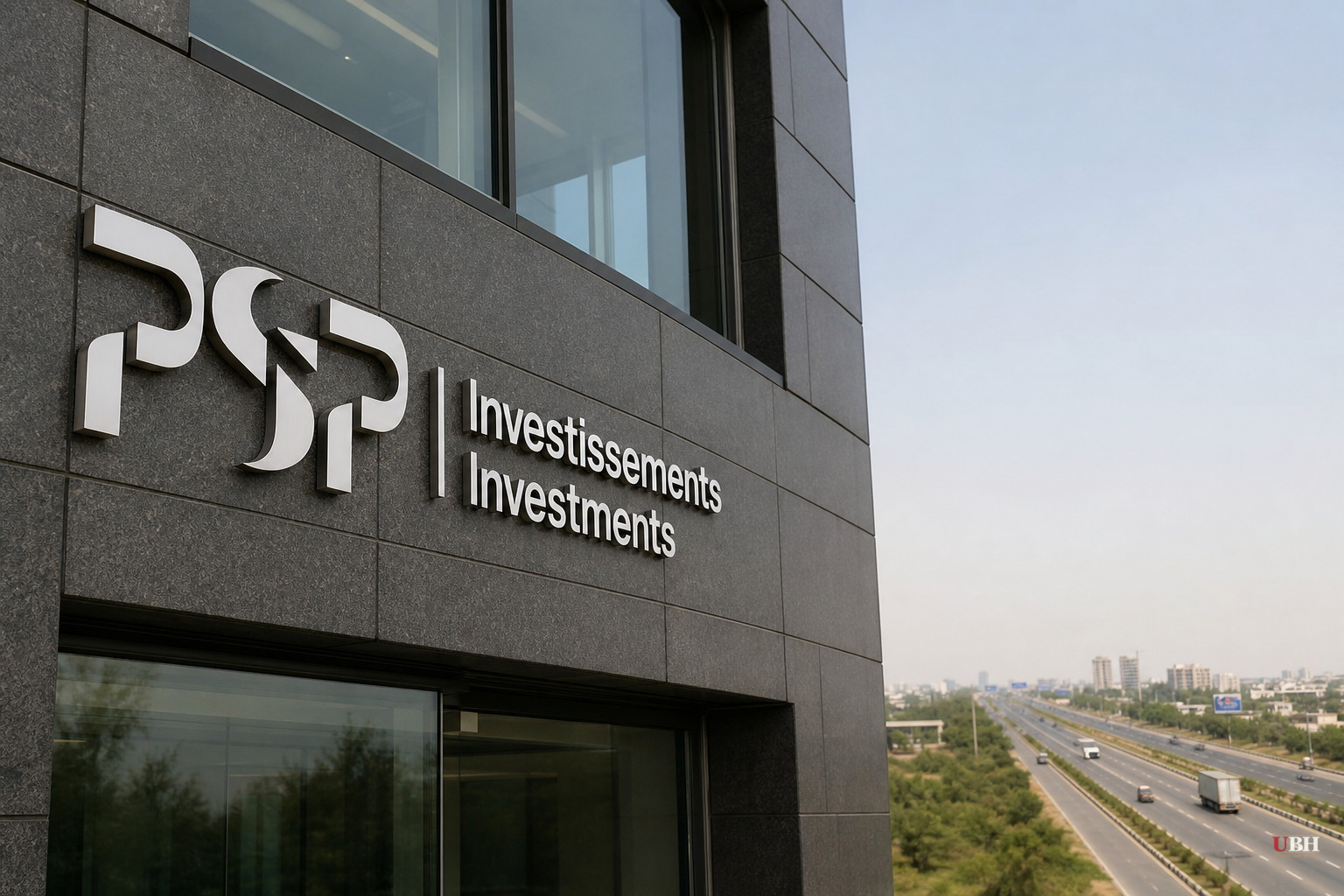
Canada's Public Sector Pension Investment Board, known as PSP Investments, is looking at options for its road assets in India, including a possible sale, according to people familiar with the matter cited by Bloomberg.
The fund is working with an adviser on the potential divestment. Bloomberg reported PSP could seek a valuation of $1.5 billion for the roads, a figure that includes debt tied to the projects. A representative for PSP Investments declined to comment when Bloomberg asked.
The assets sit inside Roadis, PSP's global road investment platform created in 2016. Roadis holds road infrastructure across India, Brazil, Mexico, Spain and the United States. PSP has fully owned Roadis since 2016, according to Whalesbook.
The Indian holdings have mattered to PSP's bottom line. Bloomberg reported the Indian assets have been a significant contributor to the company's growth, citing PSP's 2025 report.
Other investment firms and industry players have shown preliminary interest, Bloomberg reported, but talks are early and no final decisions have been made.
PSP is not a small player. The fund reported net assets under management of C$320.6 billion, or about $230 billion, as of the end of March 2026, according to Bloomberg.
Why This Isn't a Warning Sign on India
A skeptic could reasonably ask: if Indian roads were such a great investment, why sell? That's a fair question, and it deserves a straight answer.
Global pension funds routinely sell mature infrastructure assets once they've been built out and stabilized, not because the assets went bad, but because that's the business model. You build or buy young, develop and operate through the growth phase, then sell to free up capital for the next deal. Whalesbook's reporting frames it plainly: this is capital recycling, a standard move for funds managing hundreds of billions in assets across dozens of countries.
PSP isn't retreating from India. It's realizing gains on assets that, per its own 2025 report, have been a real growth driver. Selling a winner to redeploy cash into the next winner is what a well-run pension fund is supposed to do for the retirees whose money it manages.
Still, the skeptical read shouldn't be dismissed outright. If bidding interest turns out to be thin, or if the eventual sale price lands meaningfully below that $1.5 billion mark, that would be a genuine signal about how institutional investors are pricing risk in Indian infrastructure right now, including regulatory uncertainty and debt servicing costs tied to these specific road projects.
What Happens Next
The process is described by both Bloomberg and Whalesbook as early-stage. No bidders have been named publicly. No timeline for a deal has been disclosed.
Whoever eventually bids will need to dig into the debt structure tied to these roads, since PSP's target valuation explicitly bakes in that debt. The final price will hinge on how buyers assess future toll revenue against what's owed.
Likely bidders, per Bloomberg's sourcing, include other institutional investors, infrastructure-focused private equity firms, and industry players looking to expand in India's road sector. India's government has been pushing large-scale infrastructure investment, and Odisha alone recently secured over ₹43,437 crore in food-processing investment commitments, a sign of the broader capital flowing into Indian infrastructure and industry this year, according to Business Standard's related reporting.
The open question is whether PSP gets its $1.5 billion, or whether the market tells a different story once real offers land on the table. Nothing here is finalized until a buyer actually signs.
Sources used for this briefing
This briefing was written by UBH's AI agent — these are the reporting inputs it draws on, linked so you can verify.

