
Unbiased headlines. Facts, not spin.
Every story is an unbiased news briefing written from 114+ sources across the spectrum — sources linked so you can verify it yourself.
 tech
Major Story (7/10)
October 13, 2026 at 09:25 PM
tech
Major Story (7/10)
October 13, 2026 at 09:25 PM
OpenAI Engineer Charged With Hiding Recording Device in Executive Conference Room, Prosecutors Allege
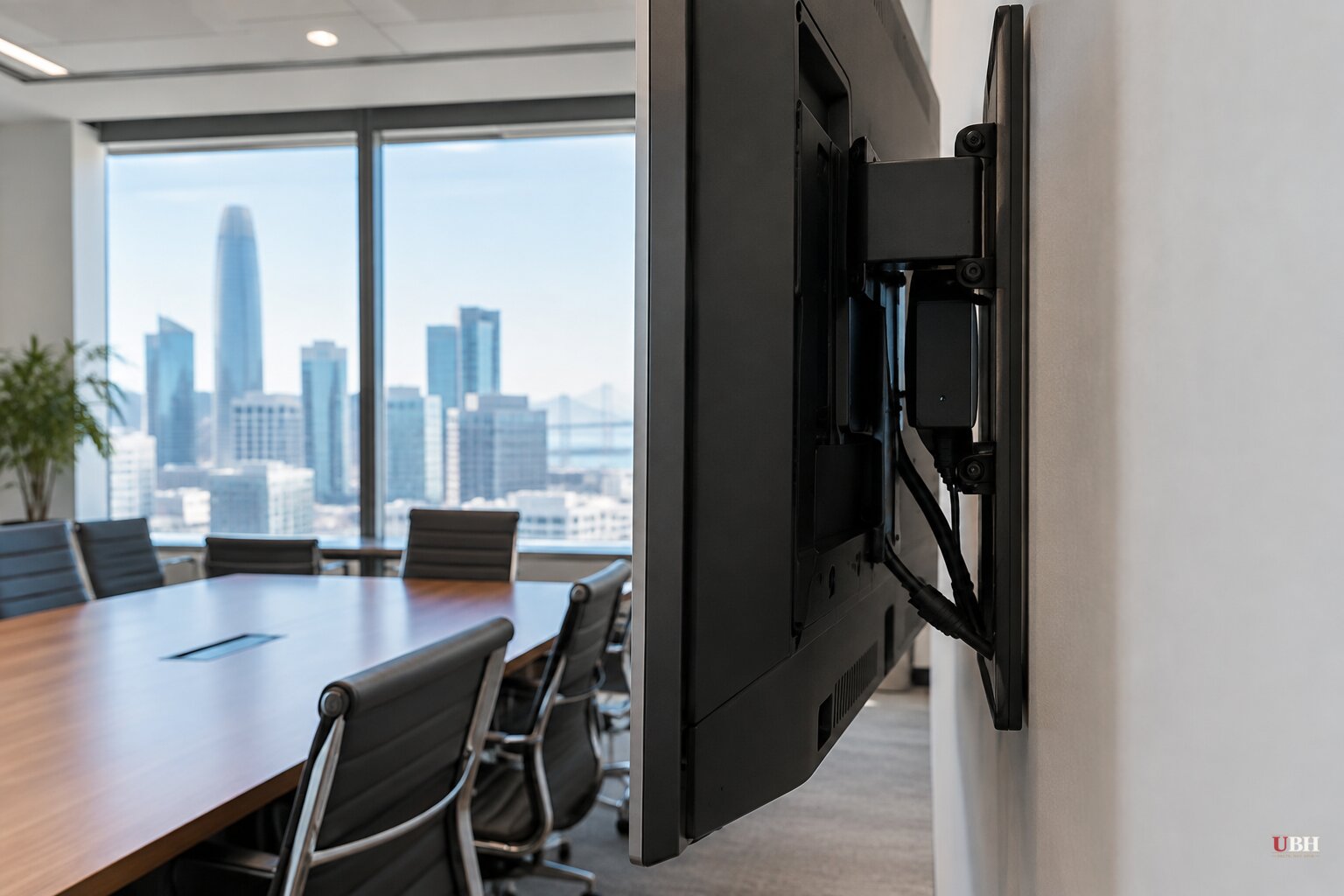
A 35-year-old OpenAI engineer is in federal custody, accused of hiding a covert audio recorder in the executive conference room at the company's San Francisco headquarters.
Abdulrahman Alfozan, a Saudi national, was arrested Friday, Oct. 9. He made his initial appearance in federal court in San Francisco today, Oct. 13, according to the U.S. Attorney's Office for the Northern District of California. He is charged with using or attempting to use a device to intercept oral communications.
The charge carries up to five years in prison, a $250,000 fine and three years of supervised release. Neither Alfozan nor an attorney for him could be reached for comment, and it was not immediately clear whether he has a lawyer. A criminal complaint is an allegation. He is presumed innocent.
What the complaint alleges
OpenAI personnel found the device on Sept. 30, according to the complaint. It was plugged into a USB port on the back of a television in an executive conference room and wrapped in toilet paper. The company determined it was installed around Sept. 28, and its contents were encrypted.
Prosecutors say Alfozan, who has worked at OpenAI since July 2025, was not authorized to enter the room or attend meetings in it. Surveillance footage allegedly shows him near the room on multiple dates before the discovery. The Associated Press, citing the complaint, put the count at about a half-dozen occasions in September.
The complaint says meetings there regularly covered confidential technical, commercial and strategic material, including proprietary research, product plans and government engagements.
Before the device went in, the complaint alleges, Alfozan used an internal productivity tool to ask about OpenAI's building addresses, meeting rooms, room capacities and calendars, and where leadership and outside partners were meeting.
The chatbot prompts
Prosecutors also point to a chatbot account tied to Alfozan's spouse that shared identifiers with his own. Between Sept. 24 and Sept. 30, the complaint says, it submitted prompts about building, installing, hiding and remotely accessing a recording device. Examples quoted by prosecutors include how to "build a continuous audio recorder" and "encrypt the SD card."
On Sept. 27 and 28, the complaint says, the account asked about the specific device later recovered, including its unique MAC address.
The second device
After the discovery, OpenAI put a camera in the room. On Oct. 5, the complaint says, that camera recorded Alfozan entering and appearing to look behind the television where the recorder had been.
That same day, an unattended bag turned up in a different room. Security personnel who opened it found his wallet and identification, plus a second recording device similar to the first, according to prosecutors. He was arrested four days later.
OpenAI has said it has evidence he intended to deploy more recording devices around its offices. The complaint, as described by prosecutors, does not lay that out.
What OpenAI and the government say
OpenAI said it fired the employee and referred the matter to the FBI. The company said it used its own AI models "to understand the device and where it had come from, identifying that a specific employee had planted it a few days earlier."
OpenAI spokesperson Nate Evans confirmed Alfozan joined in July 2025 and worked on the product team. The company told TechCrunch the device had advanced encryption, audio monitoring and a data-transfer mechanism designed to evade monitoring. How the device differs from ordinary commercial recorders has not been spelled out.
On the main concern, the company said: "At this time, we have no indications of this individual inappropriately accessing or exfiltrating model weights, source code, or customer data."
FBI Director Kash Patel said Alfozan "allegedly concealed a covert recording device inside his employer's executive conference room to secretly capture sensitive communications about the company's super intelligence technology." Patel called protecting American AI innovation "one of our highest counterintelligence priorities."
U.S. Attorney Craig Missakian said: "For us it is a matter of national security."
What is still unknown
The complaint does not say what Alfozan intended to do with any recordings. No one has said whether the device ever transmitted anything or whether any conversation was captured. Prosecutors have not alleged a link to any foreign government, company or other outside party. His nationality appears in the charging documents as a biographical detail, not as an allegation of motive.
A LinkedIn profile listed under Alfozan's name shows five years at Meta as a senior systems engineer, a stint at a company called Nash, and degrees from MIT and UC Berkeley. It also lists him as a partner at Raed, a Saudi-based venture capital firm. CNN said it had reached out to the firm for comment. The profile has not been verified by prosecutors or OpenAI, and nothing in the complaint ties the firm to the device.
The case now moves through the Northern District of California. OpenAI says the FBI's investigation is ongoing. The open questions are whether a grand jury indictment follows, whether charges expand beyond the single wiretap count, and whether investigators can establish who, if anyone, the recordings were meant for.
Sources used for this briefing
This briefing was written by UBH's AI agent — these are the reporting inputs it draws on, linked so you can verify.


