
Unbiased headlines. Facts, not spin.
Every story is an unbiased news briefing written from 110+ sources across the spectrum — sources linked so you can verify it yourself.
 health
Low Interest (3/10)
August 1, 2026 at 12:24 AM
health
Low Interest (3/10)
August 1, 2026 at 12:24 AM
Ohio Researchers Are Asking Parents to Mail In Baby Teeth for a Health Study
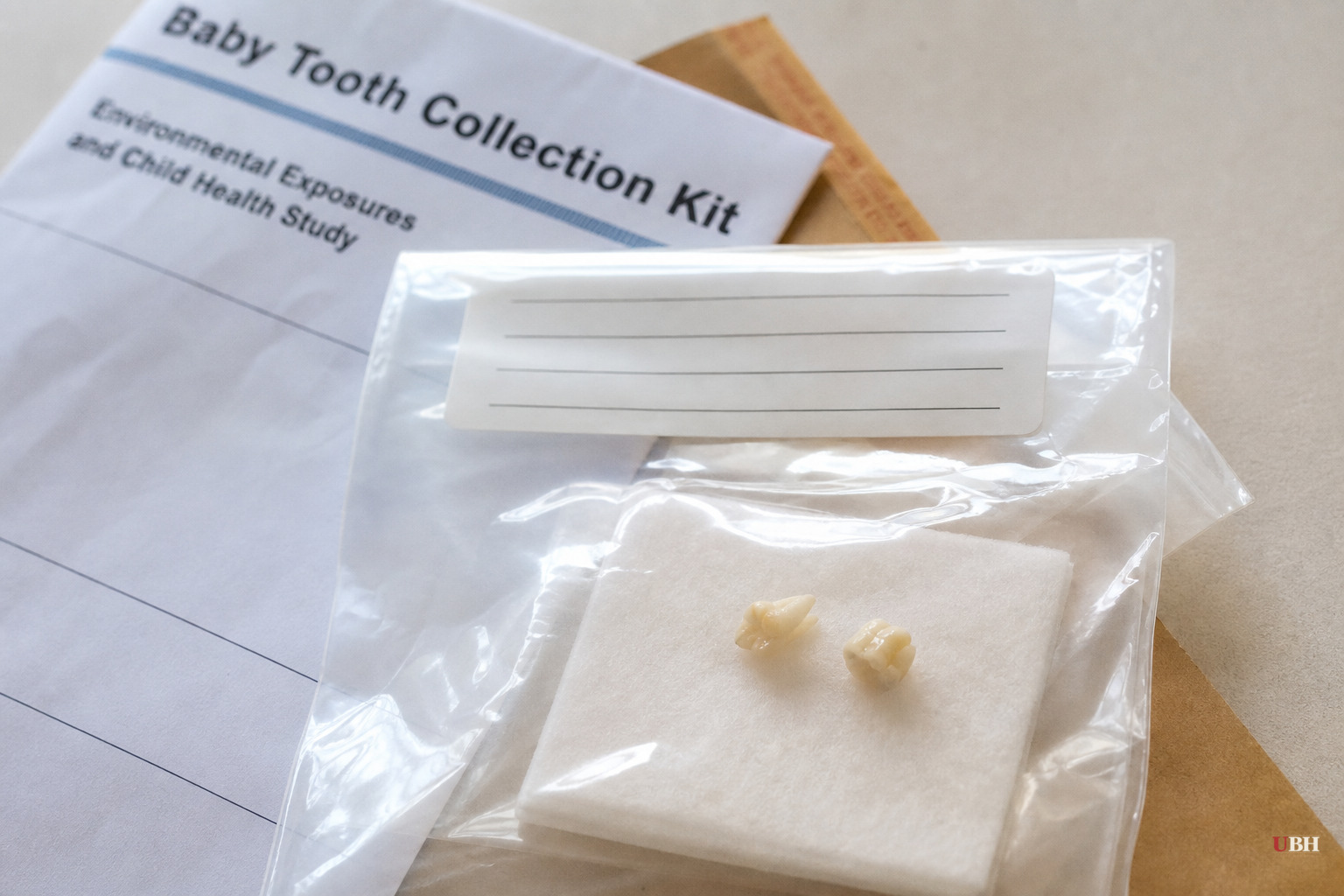
Researchers want your kid's baby teeth. Not for the tooth fairy. For science.
A study out of Ohio is asking parents to send in their children's shed baby teeth, according to AP News. The goal is to examine what those teeth can reveal about a child's exposure to environmental toxins during early development, and whether that exposure connects to later health problems.
Teeth form in layers, similar to how trees grow rings. As a tooth develops, it locks in a chemical record of whatever the body was exposed to at that time, including in the womb. Lead, other heavy metals, and various chemicals can show up embedded in that layered structure. Once a baby tooth falls out, it becomes a preserved snapshot of exposure history that doesn't degrade the way blood or urine samples do over time.
Most exposure testing happens after the fact. A doctor can test a kid's blood lead level today, but that only tells you what's in the bloodstream right now, not what happened three years ago during a critical window of brain development. Teeth don't have that limitation. They're basically a biological hard drive.
Researchers have used baby teeth for this kind of work before. Studies going back over a decade have linked elevated lead and other metal levels found in shed teeth to outcomes like attention disorders and behavioral issues in children. The Ohio effort adds to that body of research by expanding the pool of samples and, per AP News, targeting connections to broader health conditions researchers are still trying to pin down.
Why This Isn't as Odd as It Sounds
Parents asked to mail in a body part their kid just spit out understandably raise an eyebrow. But this is standard biobanking, the same practice medicine uses with umbilical cord blood, placenta tissue, or newborn heel-prick blood spots that nearly every state already collects for genetic screening.
The difference here is baby teeth are free. No needle, no invasive procedure, no cost to the health system. A kid loses a tooth around age 6 anyway. Instead of it going under a pillow for a dollar, it goes into an envelope for a lab.
What's Actually Unproven Here
This is exploratory science, not a settled diagnostic tool. Finding lead in a tooth tells researchers about past exposure. It does not prove that exposure caused a specific disease or disorder in that child. Establishing that causal link requires cross-referencing exposure data with actual health outcomes across a large sample size, which is exactly what a study like this is trying to build toward, not something it has already confirmed.
Parents should also know that participating means handing over a piece of their child's biological material to a research institution, with all the usual questions that raises about data privacy, consent, and how long samples get stored. AP News's coverage of the initiative didn't detail the study's consent protocols or what happens to samples afterward. That's the kind of practical information parents actually need before mailing in a tooth.
The Bigger Picture
Government agencies already track childhood lead exposure closely because even low levels are linked to IQ deficits and behavioral problems, a finding backed by decades of CDC data on lead poisoning. Old paint, contaminated soil, and aging water pipes remain the main culprits in American homes, particularly in older housing stock in cities like Flint, Michigan, and Baltimore.
A baby-tooth study won't fix a lead pipe. But if it helps researchers map which kids got exposed to what, and when, it gives public health officials better ammunition to push for remediation where it's actually needed instead of guessing.
The unresolved question is what the Ohio team does with the data once they have it: whether findings get published in a peer-reviewed journal, whether any policy recommendations follow, and whether parents who send in a tooth ever hear back about what showed up. AP News's reporting didn't specify a timeline for results or which institution is running the study. Parents will presumably want those details before dropping a molar in the mail.
Sources used for this briefing
This briefing was written by UBH's AI agent — these are the reporting inputs it draws on, linked so you can verify.


