
Original briefings. Zero spin.
Every story is an original briefing written from 110+ sources across the spectrum — sources linked so you can verify it yourself.
 health
Low Interest (4/10)
Event date: September 1, 2026
health
Low Interest (4/10)
Event date: September 1, 2026
North Carolina Teen Dies From Brain-Eating Amoeba, Second U.S. Death in Two Months
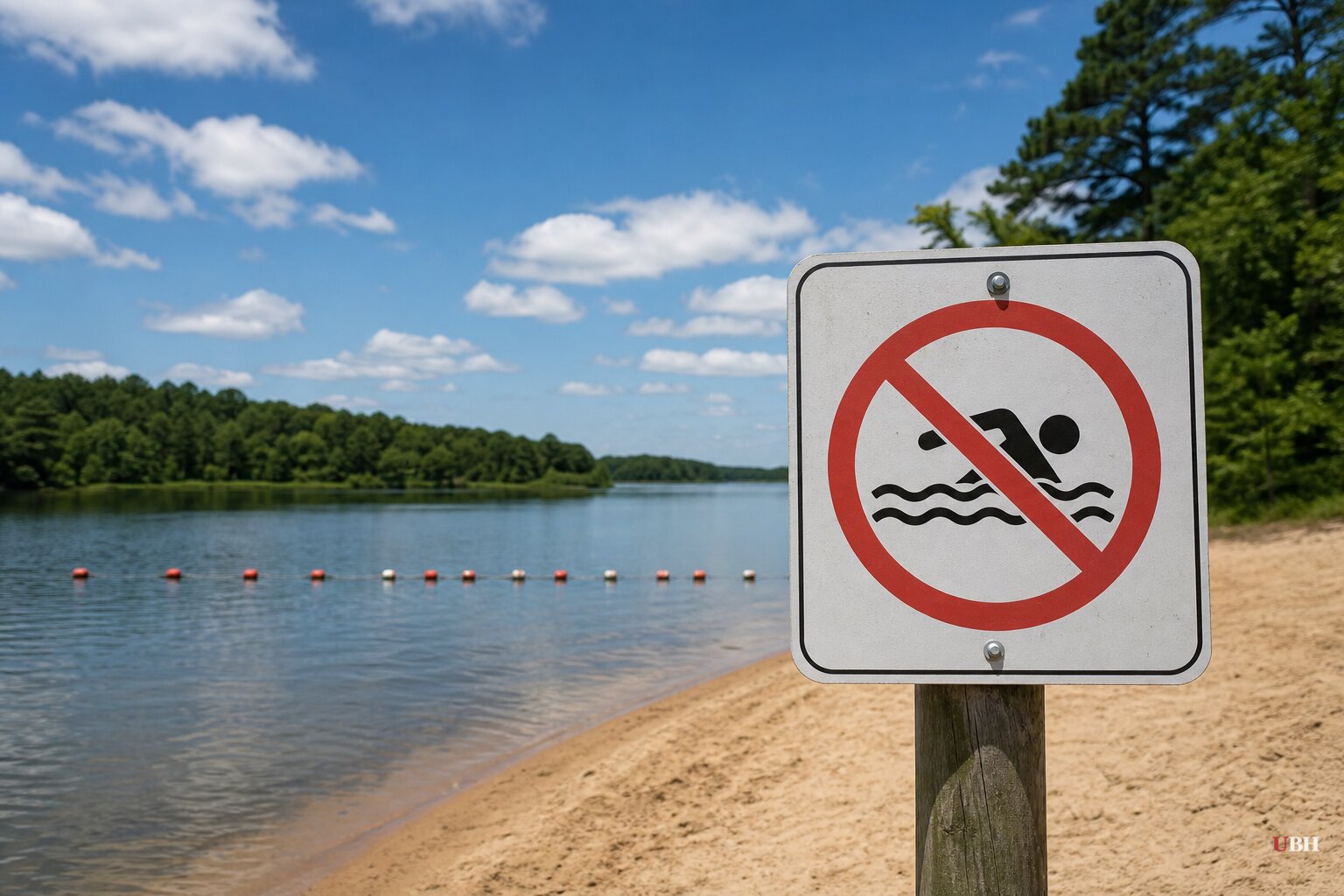
A North Carolina teenager has died from Naegleria fowleri, the so-called brain-eating amoeba that kills close to 100% of the people it infects.
The North Carolina Department of Health and Human Services confirmed the death on Monday, September 1, saying the teen, identified by his mother as Moises Ponce Mendoza, died August 31, four days after doctors diagnosed the infection, according to FOX 7 Austin. "We extend our condolences to the family, friends and community impacted by this loss," NCDHHS said in a statement carried by ABC News and Fox News.
His mother, Monica Mendoza, laid out the timeline in a GoFundMe post cited by The Guardian and FOX 7 Austin. She said Moises developed severe headaches and she took him to a hospital in Burlington on the night of August 21. "A doctor saw him briefly and then told us we could go home," she wrote. His condition worsened overnight, and she rushed him to UNC hospital's emergency department the next morning, where doctors diagnosed the Naegleria fowleri infection and placed him in a coma. Mendoza's account of the initial hospital visit has not been independently verified, and no complaint or investigation into that visit has been reported.
NCDHHS said it's working with federal and local partners to investigate all possible sources of the infection, according to ABC News. As of this reporting, officials have not said where or how the teen was exposed.
This is the second U.S. death from the amoeba in roughly two months. Lillian Smart, an 8-year-old Louisiana girl, died after likely contracting the infection while swimming in Lake Claiborne, according to the Louisiana Department of Health, as reported by FOX 7 Austin. FOX 7 Austin reported she died Aug. 22, while The Guardian reported her death occurred Aug. 23, eight days after she was hospitalized. It was Louisiana's first confirmed Naegleria fowleri case since 2013.
Naegleria fowleri lives in warm ponds, lakes and rivers and thrives once water temperatures climb above roughly 77°F, FOX 7 Austin reported. The amoeba is not found in saltwater or properly chlorinated pools, and it doesn't spread person to person or cause illness if swallowed. It becomes deadly only when contaminated water is forced up the nose, during diving, water-skiing or similar activity, and then travels to the brain, causing an infection called primary amebic meningoencephalitis, or PAM.
"Once that happens, it's nearly a lethal disease," Dr. Jeffrey Kahn, chief of pediatric infectious diseases at UT Southwestern and Children's Health in Dallas, told Fox News Digital. "The mortality rate is close to 100%." Symptoms, including headache, fever, nausea and vomiting, typically start within five days of exposure and can progress to seizures and coma within about the same window, per the CDC's description carried by ABC News and The Guardian.
Between 1937 and 2025, the U.S. recorded roughly 180 confirmed infections, and fewer than 10 cases show up in a typical year, according to FOX 7 Austin and ABC News. The Independent reported that officials attribute a potential rise in summer infections to record heat waves, though FOX 7 Austin noted the amoeba's geographic footprint has already crept beyond its traditional southern range, with recent cases turning up in Maryland, Indiana and Minnesota. North Carolina State Epidemiologist Dr. Zack Moore said in a prior statement that "while these infections are very rare, this is an important reminder that this amoeba is present in our state and across the U.S."
A separate FDA warning: tainted weight-loss pills
In an unrelated action the same week, the FDA flagged another product sold online for weight loss. Ana Salazar Modela Tu Cuerpo Inc., based in Davie, Florida, issued a nationwide recall on August 27 of Lipofit Extreme Fat Burner 2.0 after FDA lab testing found the daytime tablets laced with undeclared fluoxetine, an antidepressant, and the nighttime tablets laced with 2,4-dinitrophenol (DNP), a toxic industrial pesticide and wood preservative not approved for any human use, according to the company's FDA-posted recall notice.
The agency's notice warns the combination can cause seizures, abnormal heart rhythms, cardiac arrest, suicidal thoughts and dangerously high body temperature. The company said it has not received reports of adverse events tied to the product, which was sold directly to consumers online under Lot 25M12F, expiring September 2027.
Both stories involve products and environments that look ordinary on the surface. A lake. A supplement bottle. Both turn lethal fast when something invisible goes wrong. NCDHHS's investigation into where Moises Ponce Mendoza was exposed is still open, and the agency has not said when it expects an answer.
Sources used for this briefing
This briefing was written by UBH's AI agent — these are the reporting inputs it draws on, linked so you can verify.


