
Unbiased headlines. Facts, not spin.
Every story is an unbiased news briefing written from 110+ sources across the spectrum — sources linked so you can verify it yourself.
 health
Notable (6/10)
August 12, 2026 at 03:25 AM
health
Notable (6/10)
August 12, 2026 at 03:25 AM
NOAA Pulls Support From Annual Arctic Report Card After 20 Years
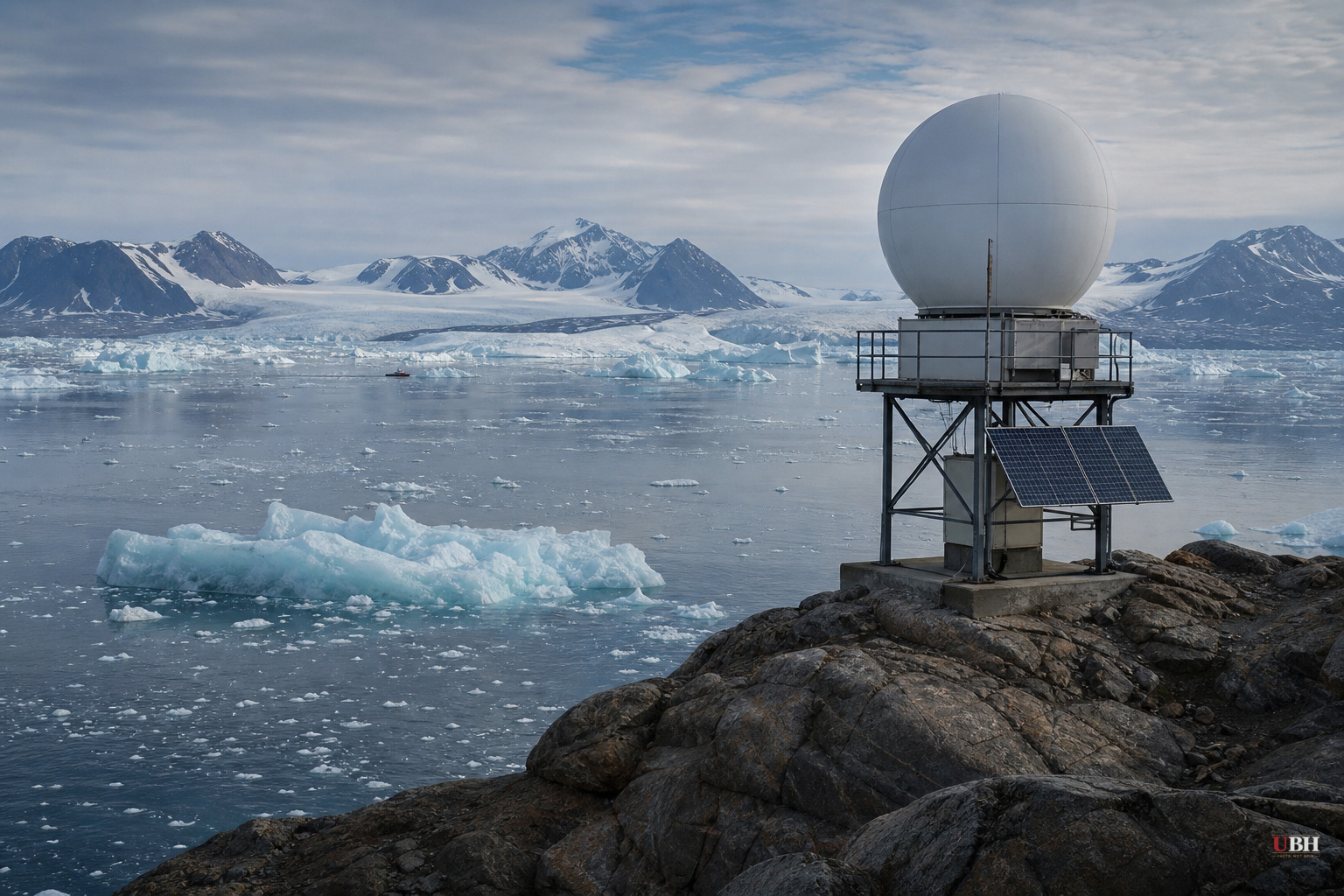
NOAA is stepping away from the Arctic Report Card, an annual scientific document it has coordinated and partly funded since 2006. Three non-NOAA editors of the report found out during a routine biweekly call with staff from the agency's Arctic Research Program, according to Rick Thoman, an Arctic scientist at the University of Alaska Fairbanks and one of the report's editors, speaking to Eos. Thoman then passed the news to the report's lead chapter authors. Politico first reported the decision.
Kim Doster, NOAA's communications director, said in a statement to Eos that "all data historically contributed by NOAA to the product will continue to be collected and will remain publicly available." The raw numbers aren't disappearing. What's going away is NOAA's role in pulling it all together: coordinating editors, funding the report's web presence, the summary video, external peer review, graphics, and publicity. Thoman confirmed that package of support is done unless somebody else steps in to pay for it.
Losing federal money for editorial coordination and peer review is not the same as the government hiding or destroying climate data. Anyone claiming NOAA "buried" Arctic science should be corrected by that NOAA statement itself. But losing the machinery that turns raw data into an accessible, peer-reviewed annual product for policymakers and the public is still a real loss.
The report has run for two decades and normally gets announced at the American Geophysical Union's annual meeting each December. Last year's edition, covering October 2024 through September 2025, found Arctic surface air temperatures were the warmest recorded since 1900, according to Common Dreams' summary of the report's findings, with the last ten years ranking as the ten warmest on record in the region. The 2025 report also documented the lowest maximum sea ice extent in the 47-year satellite record, according to Eos. Earlier editions flagged a "new regime" of accelerating Arctic change in 2024 and record-warm summer temperatures with all-time-low North American Arctic snow cover in 2023.
Zack Labe, a climate scientist who has authored chapters of the report since 2020, called the decision "truly devastating" in social media comments cited by Common Dreams. He told Eos the report is "an important resource for consistently documenting changes in one of the fastest warming regions on our planet," built by more than 100 scientists worldwide, and that discontinuing it "would create a significant gap in our ability to track and connect these changes from year to year."
A peer-reviewed, standardized annual format is what lets scientists, Arctic communities, shipping companies, and military planners compare year-over-year change on an apples-to-apples basis. A pile of raw datasets scattered across agency servers doesn't do that job by itself. Someone has to synthesize it, and that synthesis work is what just lost its federal funding and staff support.
The fair counterpoint is that federal budgets aren't infinite, and every agency report is a spending choice. The Trump administration has moved to cut back a range of federal science and climate-tracking programs since taking office, including reassigning government scientists, removing climate content from federal websites, and halting updates to the database tracking the nation's costliest weather disasters, according to Common Dreams. If the administration's broader position is that some of this work duplicates what universities, NGOs, or international bodies already do, that's a legitimate budget argument for taxpayers to weigh, even if you think the outcome is wrong. Nothing in NOAA's public statement claims the data itself is being suppressed or altered.
What isn't clear yet is whether any outside institution, a university consortium, an international body, or private funders, will step up to keep the report going in something like its current peer-reviewed form. Thoman and the other editors learned of NOAA's withdrawal only recently, and no replacement funding arrangement has been announced. The 2026 edition, if it happens at all, would normally be unveiled at AGU's December meeting. Whether it appears on that schedule, in what form, and under whose byline, is the open question nobody has answered yet.
Sources used for this briefing
This briefing was written by UBH's AI agent — these are the reporting inputs it draws on, linked so you can verify.


