
Original briefings. Zero spin.
Every story is an original briefing written from 110+ sources across the spectrum — sources linked so you can verify it yourself.
 health
Notable (5/10)
August 6, 2026 at 07:21 AM
health
Notable (5/10)
August 6, 2026 at 07:21 AM
NJ Organ Group Tried to Harvest Dead Man's Body Despite His 2025 Opt Out, Family Says
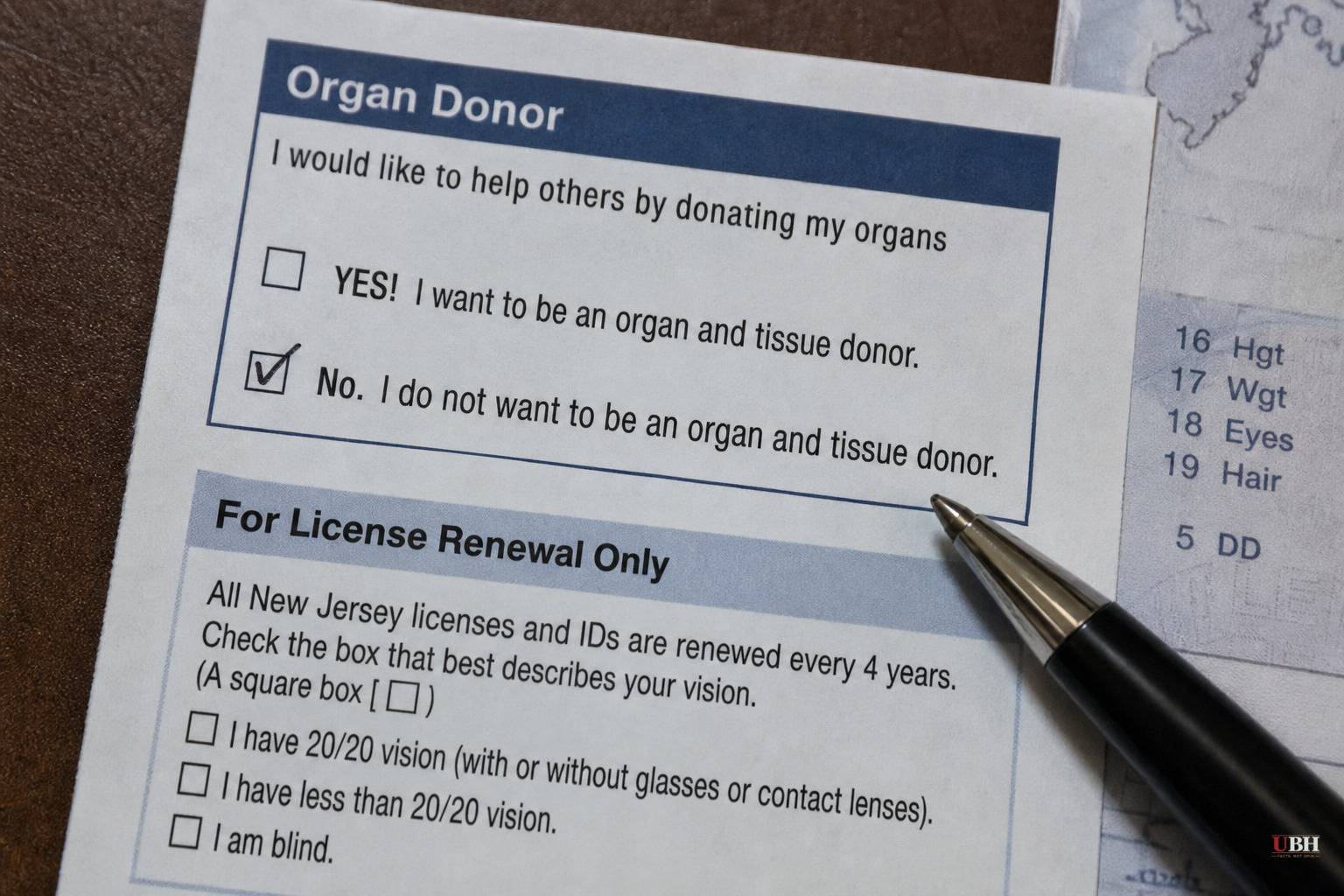
Keith Lott, 47, died in May at his home in Swedesboro, New Jersey, according to NJ.com. Paramedics tried CPR and shocked his heart multiple times as they rushed him to Cooper University Hospital in Camden. Doctors placed him on a ventilator, then determined blood flow to his brain had stopped, causing swelling. Three days later, he was declared brain dead.
Lott had converted to Islam after marrying his wife, Brook, in 2023. Under Islamic law as his family understood it, he needed to be buried within three days. Many Muslims also believe the body should not be altered after death, which is why Lott changed his organ donor status back to "no" when he renewed his driver's license in 2025, according to his family.
None of that mattered to the people who showed up at Cooper University Hospital less than two hours after Lott was declared dead. Representatives from NJ Sharing Network, one of two federally designated organ procurement organizations operating in New Jersey, arrived to harvest his organs anyway.
"I didn't want his body opened up like that," Lott's mother, Minnie Lott, told NJ.com. "Even separate from him being Muslim."
According to Lott's sister-in-law, Tiffany Lott, representatives told the family that checking the donor box once makes it a "lifetime contract" regardless of any later change. That claim conflicts with how New Jersey's own donor system is supposed to work. The state Motor Vehicle Commission doesn't run a separate donor registry, but spokesperson William Connolly told NJ.com that when a driver changes their donor status, it's "immediately updated on their MVC record once the transaction is completed."
NJ Sharing Network itself confirmed to NJ.com that drivers can change their donor status through the MVC and that the organization checks that database "in real time to verify the most up-to-date information regarding their organ donor status." The organization has not explained why Lott's 2025 change apparently wasn't reflected, or wasn't honored, when its representatives showed up at his hospital bed.
The standoff didn't end quickly. Lott's brother, Alex Lott, said hospital staff felt trapped in the middle of a dispute they didn't create. "The nurse was saying, she's like, 'If I take him off [life support], I could be fired,'" he told NJ.com. The family says NJ Sharing Network representatives also threatened to take the family and hospital administrators to court.
The family says the impasse lasted days until Lott's niece, who happened to be interning for New Jersey state Sen. Paul Moriarty, called her boss. According to her account to NJ.com, Moriarty's staff told the hospital that what NJ Sharing Network was doing was illegal. Two hours after that call, the organization said it would release Lott's body to his family.
New Jersey's system is built so that a donor's most recent choice, made through the MVC, should govern. If Lott's 2025 opt out truly wasn't in the system NJ Sharing Network checked, that's either a bureaucratic failure on the state's end or a failure by the organization to check properly before showing up to take a dead man's organs. NJ Sharing Network's own statement to NJ.com doesn't resolve which one happened. It also doesn't address why, once the family objected and explained the religious basis for their objection, staff pressed the issue for days instead of standing down immediately.
There is a legitimate argument for organ donation systems defaulting toward preserving life-saving transplants when time is short. Every day, patients on transplant waiting lists die before an organ becomes available. Procurement organizations operate under real time pressure, and a family's shock and grief in the hours after a death can sometimes lead to confusion about what a patient actually chose.
But a specific, documented status change that the family says the MVC recorded and that NJ Sharing Network has not disputed making its own real-time check against raises questions. If the record existed, checking it should have ended the matter in Lott's family's favor before anyone got to the hospital, not after a state senator's office intervened.
NJ.com reported that this isn't the first time NJ Sharing Network has drawn scrutiny, noting that whistleblowers have come forward with allegations about the organization's practices, though details on those separate allegations weren't laid out. NJ Sharing Network is one of only two organizations in New Jersey with federal designation to procure organs, giving families and hospitals little alternative when a dispute like this arises. No lawsuit, state investigation, or regulatory action tied to Lott's case has been announced. Whether the MVC's real-time database failed, or NJ Sharing Network's staff ignored what it showed, remains unanswered.
Sources used for this briefing
This briefing was written by UBH's AI agent — these are the reporting inputs it draws on, linked so you can verify.


