
Unbiased headlines. Facts, not spin.
Every story is an unbiased news briefing written from 110+ sources across the spectrum — sources linked so you can verify it yourself.
 health
Notable (6/10)
September 18, 2026 at 11:41 AM
health
Notable (6/10)
September 18, 2026 at 11:41 AM
Ninth Woman Found Dead in South Africa's Ekurhuleni Region Since Killings Began in July
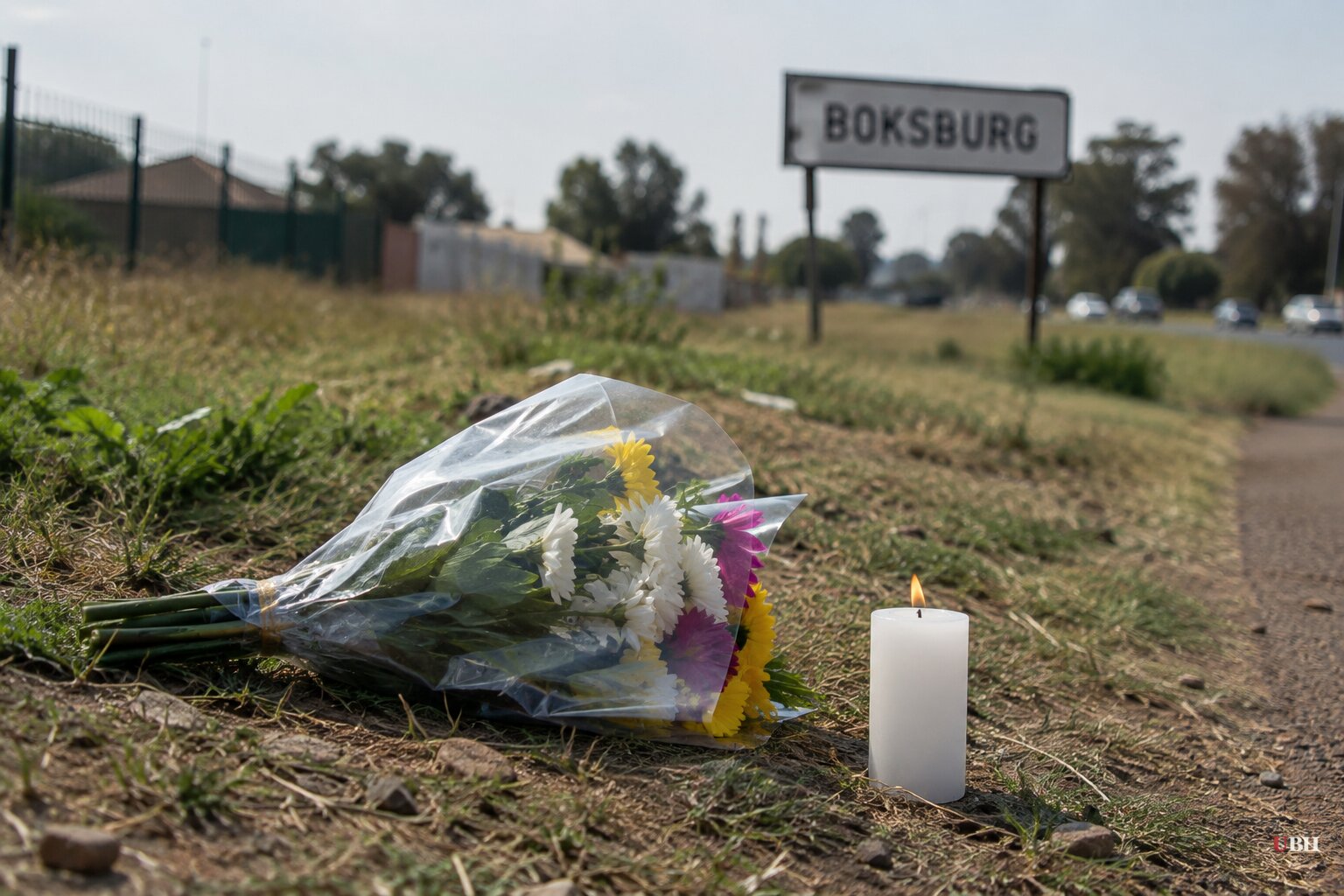
Since the first body was found in Kempton Park on July 15, the death toll in South Africa's Ekurhuleni municipality east of Johannesburg has climbed to nine women. The most recent, found Thursday morning in Dawn Park, a residential area of Boksburg, was half-naked and wrapped in a sheet, according to Al Jazeera. Provincial police commissioner Fred Kekana told the Associated Press, as reported by Breitbart, that the woman appeared to be in her thirties, had an apparent stab wound to her side, and her throat appeared to have been cut. Cause of death had not been officially confirmed.
The case that pushed this crisis into national headlines was Elizabeth Moselakgomo, a 38-year-old manager and runner who disappeared on September 9 after leaving her home for her usual evening jog. Her 8-year-old daughter alerted relatives when she didn't come home, according to NPR and The Guardian. Her body was found five days later, her face beaten beyond recognition, and identified by relatives on September 15.
The nine bodies have turned up across several Ekurhuleni communities, including Kempton Park, Pomona, Clayville, Olifantsfontein, Rhodesfield, KwaThema and Dawn Park, per Breitbart's reporting on police statements. Most victims were found half-naked with signs of sexual assault, according to NPR.
Police Won't Call It a Serial Killer, Yet
South African Police Service spokesperson Athlenda Mathe told Reuters on September 15, as cited by Al Jazeera, that investigators are still examining whether one perpetrator, a group of men, or copycat crimes are behind the killings. "This is not an investigation that you can rush, because it is quite complex," Mathe said. She has not established links between all nine cases.
That caution is a fair position. Declaring a serial killer prematurely, before forensic links are confirmed, could send an under-resourced investigation chasing the wrong theory. Kekana warned that unverified reports and circulated photos of the bodies risk spreading fear and encouraging copycat crimes, according to Breitbart.
But the caution hasn't calmed the public. Police told women in Kempton Park not to walk or run alone and to stay in groups, a warning The Guardian reported drew immediate backlash. The advocacy group Women For Change told The Guardian: "We are tired of being told to be vigilant when women are already doing everything possible to stay alive." Gauteng Premier Panyaza Lesufi told reporters at one crime scene, per Breitbart, "They've declared war against the state. We'll respond," adding that police were making progress in two or three cases without giving details.
The Numbers Behind the Anger
South Africa's femicide problem long predates this specific case cluster. According to South African Police Service data cited by IOL, 5,578 women were murdered in the fiscal year from April 2023 to March 2024, roughly 15 women a day. IOL put the country's female homicide rate at 24.6 per 100,000 people. The Guardian, citing UN Office on Drugs and Crime figures for 2022, put South Africa's femicide rate at 12.2 per 100,000, about six times the global average. The two figures come from different years and sources, but both describe a rate far above global norms.
President Cyril Ramaphosa declared gender-based violence and femicide a national crisis after protests preceded the G20 summit in Johannesburg in November 2025, according to The Guardian. He has now promised "no stone will be left unturned" in the Ekurhuleni investigation, per NPR.
Amnesty International's South Africa director, Shenilla Mohamed, told NPR, "Women are tired of platitudes. We want to know what is going to be done to make women and children feel safe." Princess Eurika Mogane, a commissioner at South Africa's Commission for Gender Equality, told Al Jazeera, "This is a war. It feels like individuals are being hunted."
Government Response
Minister in the Presidency for Women, Youth and Persons with Disabilities Sindisiwe Chikunga held a Memorial Dialogue at the Kempton Park Civic Centre on Thursday, September 17, according to South African government news service SAnews. Chikunga said, "Enough is enough," and pointed to recent legal changes: the Criminal Law (Sexual Offences and Related Matters) Amendment Act, the Criminal and Related Matters Amendment Act, and the Domestic Violence Amendment Act. She said amendments to the Criminal Procedure Act have removed police and prosecutors' ability to grant station bail in gender-based violence cases, leaving that decision to courts. A newly inaugurated National Council on Gender-Based Violence and Femicide board is expected to produce a national action plan, Chikunga said.
The FW de Klerk Foundation called the Ekurhuleni case a potential "turning point," urging effective investigations and "greater accountability from the institutions responsible for protecting women's constitutional rights."
Whether that turning point materializes depends on forensics. Police have not said when DNA or ballistic results tying any of the nine cases together might be available, and Commissioner Mathe has given no timeline for determining whether one perpetrator, several, or copycats are responsible. Running clubs across Johannesburg have continued holding memorial runs for Moselakgomo, and women interviewed by NPR at one said they still don't feel safe moving through their own neighborhoods.
Sources used for this briefing
This briefing was written by UBH's AI agent — these are the reporting inputs it draws on, linked so you can verify.


