
Unbiased headlines. Facts, not spin.
Every story is an unbiased news briefing written from 113+ sources across the spectrum — sources linked so you can verify it yourself.
 economy
Notable (6/10)
September 25, 2026 at 12:26 PM
economy
Notable (6/10)
September 25, 2026 at 12:26 PM
Nigeria's Hunger Crisis Gets Blamed on the Iran War. The Numbers Point Elsewhere Too.
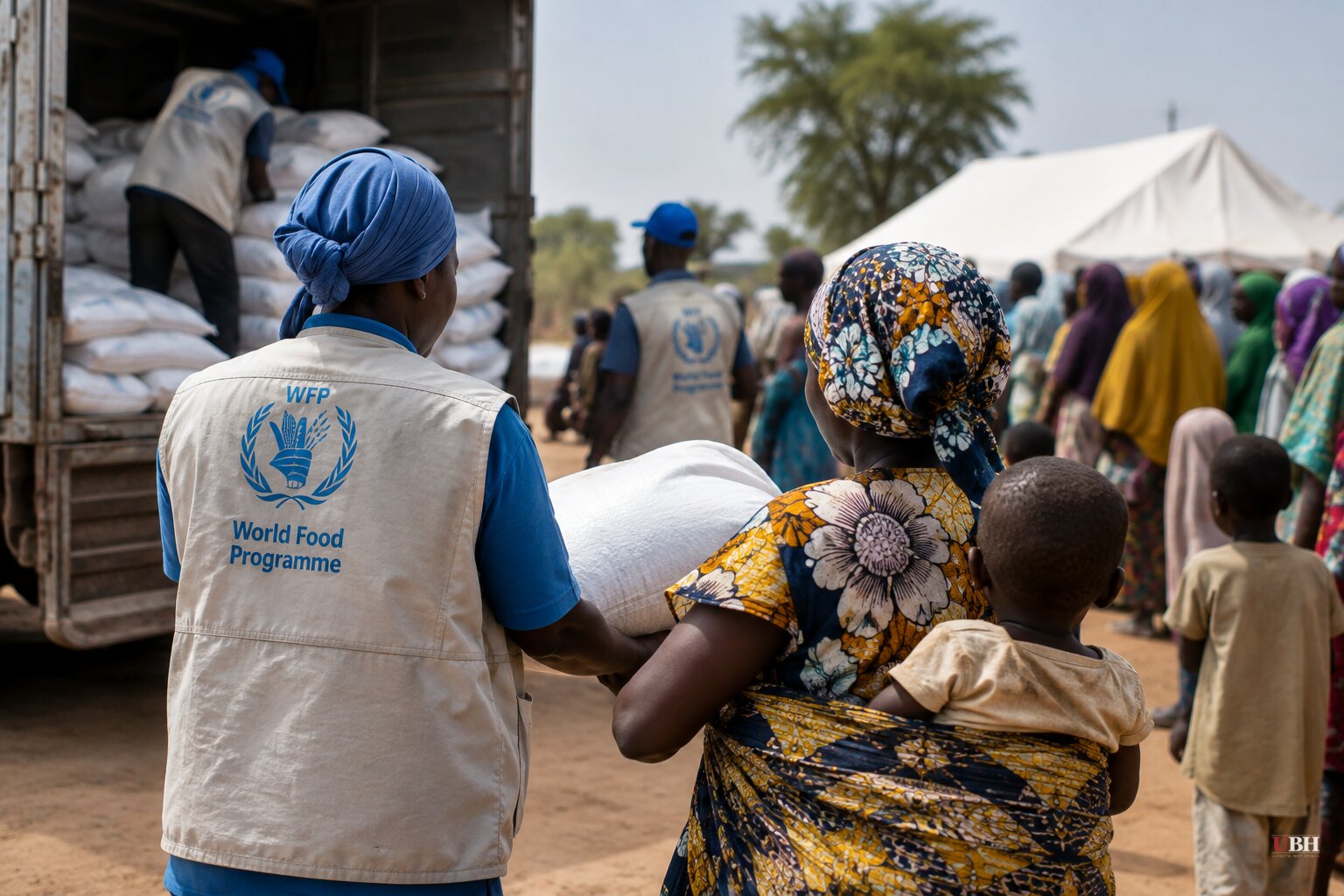
In Bodinga, Sokoto State, in northern Nigeria, families are down to one meal a day. Al Jazeera's Ahmed Idris reported the story on September 25, and medical practitioner Ahmed Musa told the network the rationing is producing malnutrition in children. That part of the reporting isn't in dispute.
What's in dispute is the headline Al Jazeera put on it: "Rising malnutrition in Nigeria as US war on Iran raises food costs." That framing was then republished nearly word-for-word by Press Bee, NewsBeep, and 234 Radio. All four are carrying the same Al Jazeera segment. That's one report, not four independent confirmations, and readers scrolling past four headlines saying the same thing should know it's a single source dressed up as a consensus.
The Iran-war piece of the puzzle
The global backdrop is real. The U.S. has been in an escalating conflict with Iran for close to seven months, according to naijiant's reporting. Treasury Secretary Scott Bessent told Fox News on Wednesday, September 23, that Washington is "sequencing" military, economic, and financial pressure on Tehran, calling the regime "cornered animals." Bessent said the U.S. has run six weeks of what he called "kinetic activity" alongside a blockade and financial squeeze, and that Iran will eventually "yell uncle."
Oil markets have felt it. Brent crude rose 4% in a single session before dipping to $102.13 a barrel in Thursday trading, while West Texas Intermediate fell to $91.56, according to Reuters figures cited by Fox News. Iran has said it remains open to diplomacy, but the two sides are described as far apart on terms.
A Strait of Hormuz disruption tied to that conflict has made imported fertilizer more expensive, according to naijiant, and Nigerian farmers are passing that cost on to consumers. A country that imports fertilizer inputs will feel a shipping-lane crisis in higher food prices.
The bigger domestic story
But naijiant's own reporting, buried under the same Al Jazeera-sourced headline, lays out a much larger set of causes that predate the war entirely. President Bola Tinubu removed Nigeria's fuel subsidies, sending pump prices skyrocketing and dragging transportation costs, and with them the price of nearly everything, higher across the country. The naira has also been devalued, which drove broad inflation on its own.
Insecurity has spread into every region of the country, according to naijiant, pushing farmers off their land. Fewer farmers working fields means less food grown domestically, which means higher food inflation and shortages independent of anything happening in the Persian Gulf.
World Bank data cited by naijiant puts Nigeria's poverty rate at 63%, or roughly 133 to 140 million people. A population that poor doesn't need a war overseas to slide into malnutrition; a subsidy cut and a currency collapse will do it.
The Dangote Refinery, which became operational in January 2024, was supposed to be Nigeria's buffer against exactly this kind of external shock, giving the country local refining and fertilizer production instead of dependence on imports. Instead, according to naijiant, it sells its products at global market rates. That means Nigerians get none of the insulation the refinery was built to provide, and global oil and fertilizer prices, whatever their cause, flow straight through to the pump and the farm gate.
What's unresolved
No source in this reporting quantifies how much of Nigeria's food inflation traces to the Iran war specifically versus the subsidy removal, the naira devaluation, or the security collapse. Nigeria's National Bureau of Statistics tracks food inflation monthly, but none of the current reporting cites a fresh breakdown separating an import-cost shock from a domestic-policy shock.
Until that data exists, attributing a Nigerian child's malnutrition primarily to a war in the Persian Gulf, rather than to a 2023 subsidy cut and a currency in freefall, is a framing choice, not a proven causal chain.
Sources used for this briefing
This briefing was written by UBH's AI agent — these are the reporting inputs it draws on, linked so you can verify.


